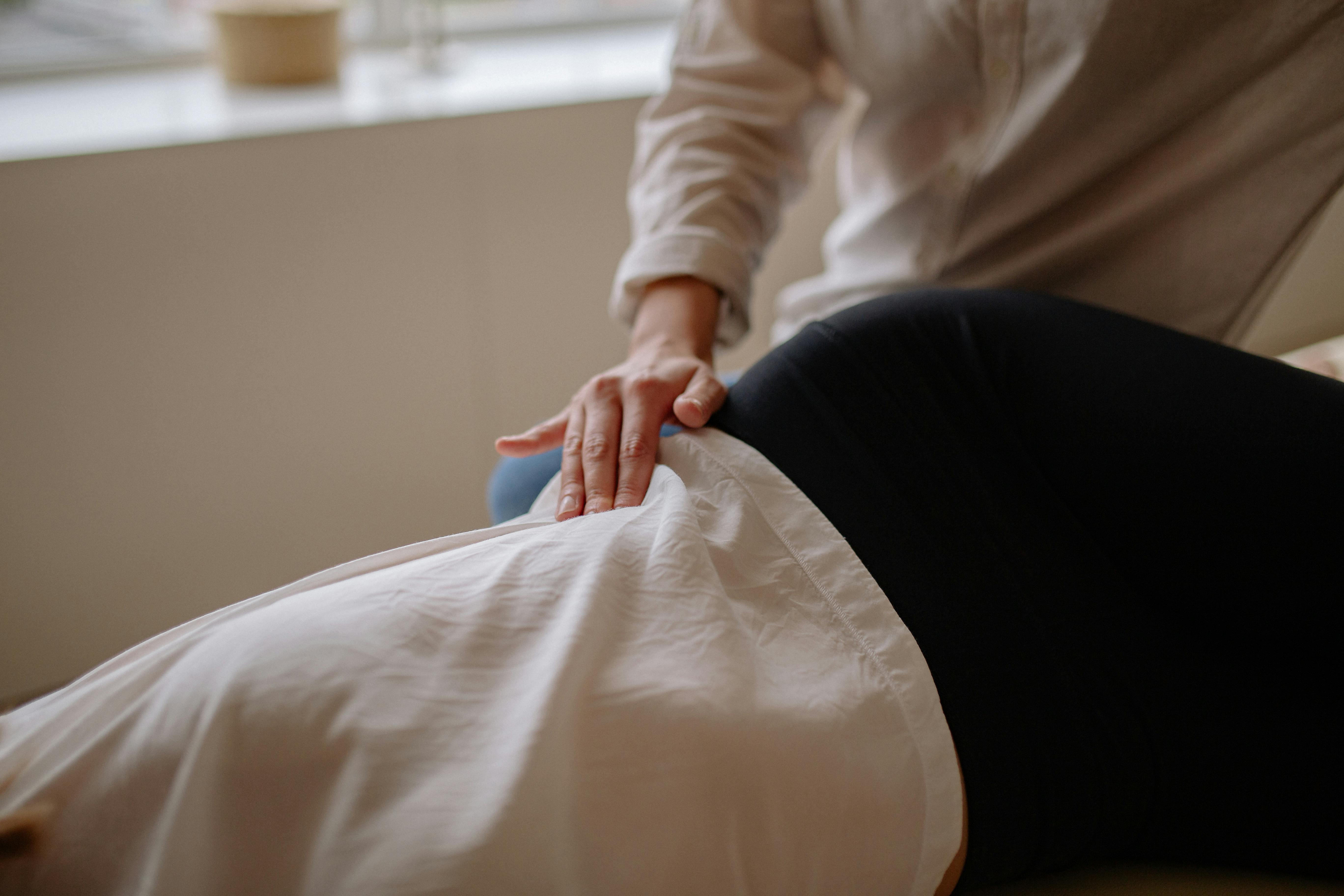
When to Start Pelvic Floor Rehab After Birth: A Clinical & Holistic Guide
Discover the optimal timeline for pelvic floor rehab after birth. Learn how the Amarta Method in Ubud blends clinical recovery with Balinese healing for affluent mothers.
In the immediate aftermath of childbirth, the focus often shifts entirely to the newborn, leaving the mother's physical restoration in a state of 'sacred pause.' However, the pelvic floor—the literal foundation of maternal health—requires dedicated, professional attention to ensure long-term vitality and prevent complications like prolapse or dysfunction. At Amarta Nurtura, we view pelvic rehabilitation not as an elective luxury, but as a critical clinical pillar of the fourth trimester. Understanding when to begin this journey is the first step toward reclaiming your core strength and confidence in the serene environment of our Ubud sanctuary.
The Optimal Timeline: When to Begin Your Recovery
The traditional six-week clearance is often misunderstood; recovery begins far earlier through gentle breathwork and nervous system regulation. However, clinical pelvic floor rehabilitation requires specific milestones to be met.
The First Two Weeks: Breath and Blood Flow
In the immediate postpartum period, your body is in a state of acute healing. Whether you delivered vaginally or via cesarean, your pelvic floor and abdominal structures have undergone significant stress. During these first two weeks, aggressive rehabilitation is contraindicated—but that doesn't mean recovery is passive.
At Amarta Nurtura, we introduce gentle diaphragmatic breathing techniques within the first 48 hours postpartum. This foundational practice serves multiple purposes: it activates the transverse abdominis (your deepest core muscle), gently engages the pelvic floor through the natural pressure changes of respiration, and—critically—it downregulates your nervous system. A mother in sympathetic overdrive (stress mode) cannot heal optimally; tissue repair requires parasympathetic activation.
During this phase, our practitioners guide you through visualization and proprioception exercises. Simply reconnecting with the sensation of your pelvic floor—without forceful contractions—begins the process of neuromuscular re-education. This is especially important if you experienced epidural anesthesia, which can temporarily disrupt pelvic floor sensation.
The Six-Week Clinical Milestone
The six-week postpartum visit is a critical checkpoint, but it's often misunderstood. Your obstetrician's clearance for "normal activity" does not mean your pelvic floor has returned to pre-pregnancy function. It means the acute healing phase has passed, and you are medically stable to begin progressive rehabilitation.
At Amarta Nurtura, this is when formal pelvic floor physical therapy begins. Our comprehensive assessment (detailed below) evaluates not just whether you can contract your pelvic floor, but whether you can do so with proper coordination, adequate strength, and without compensatory patterns. Many women discover they have been unknowingly "bearing down" rather than "lifting up"—a pattern that, if uncorrected, can worsen prolapse or incontinence over time.
This six-week window is also when we assess for diastasis recti (abdominal separation). While some degree of separation is normal and expected, strategic intervention during this period can significantly improve outcomes. Our Diastasis Recti Assessment uses real-time ultrasound imaging to measure the depth and width of separation, guiding a personalized core rehabilitation plan.
Early Intervention for Cesarean vs. Vaginal Births
The mode of delivery significantly impacts your pelvic floor rehabilitation timeline, though both require professional guidance.
After Vaginal Delivery: If you delivered vaginally—especially if you experienced tearing, episiotomy, or instrumental delivery (forceps or vacuum)—your pelvic floor has sustained direct trauma. While you may feel "ready" to resume activity, aggressive exercise before proper healing can lead to chronic pain, scar tissue adhesions, or worsening prolapse. At Amarta Nurtura, we use gentle manual therapy techniques to assess tissue mobility and scar healing, ensuring your foundation is solid before progressing to strengthening exercises.
After Cesarean Section: Many women assume that because they didn't deliver vaginally, their pelvic floor is unaffected. This is a dangerous misconception. Your pelvic floor supported months of increasing intra-abdominal pressure during pregnancy. Additionally, cesarean delivery involves cutting through multiple layers of fascia and muscle, creating scar tissue that can refer pain to the pelvic floor and limit core function. Our post-cesarean protocol includes abdominal scar mobilization, fascial release, and gentle core reintegration—all critical for preventing long-term complications.
Signs You Need an Accelerated Assessment
While six weeks is the standard milestone, certain symptoms warrant earlier intervention:
- Visible or palpable bulge in the vaginal opening (potential prolapse)
- Uncontrolled urine leakage with coughing, sneezing, or laughing
- Severe pelvic or back pain that limits mobility
- Inability to control bowel movements or severe constipation
- Painful intercourse or inability to tolerate tampon insertion
If you experience any of these, our team at Amarta Nurtura can arrange an earlier assessment. Delaying care when these symptoms are present can lead to chronic dysfunction that is far more difficult to reverse.
What to Expect During Your Initial Assessment
A premium pelvic floor assessment at Amarta Nurtura transcends the sterile environment of a standard clinic, prioritizing your comfort, privacy, and clinical precision.
Internal and External Structural Evaluation
Your initial assessment begins with a detailed history: pregnancy complications, labor duration, interventions, tearing or episiotomy, anesthesia type, and any current symptoms. This context is essential for understanding your unique risk factors.
The physical examination includes both external observation (posture, breathing patterns, abdominal wall integrity) and—with your explicit consent—an internal vaginal examination. This is performed by a licensed pelvic floor physical therapist in a private, comfortable setting. The internal exam allows us to assess:
- Muscle tone: Is your pelvic floor hypertonic (too tight), hypotonic (too weak), or appropriately balanced?
- Coordination: Can you voluntarily contract and fully relax your pelvic floor?
- Strength: Using the Modified Oxford Scale, we grade your contractile force from 0 (no contraction) to 5 (strong resistance).
- Endurance: Can you sustain a contraction, or does your muscle fatigue immediately?
- Prolapse staging: If present, we grade the descent of pelvic organs using the Pelvic Organ Prolapse Quantification (POP-Q) system.
Diastasis Recti and Core Functional Screening
Your pelvic floor does not function in isolation—it is part of a "core canister" that includes your diaphragm, transverse abdominis, multifidus, and pelvic floor. If one component is compromised, the entire system becomes dysfunctional.
We assess diastasis recti through palpation and, when indicated, real-time ultrasound imaging. A separation of more than 2-3 finger widths, or a deep "doming" of the linea alba, requires targeted intervention. Our rehabilitation program focuses not on forcing the muscles back together, but on restoring functional tension and coordinated activation.
Assessing Biofeedback and Muscle Recruitment
For many women, the challenge is not weakness—it's poor neuromuscular coordination. You may be recruiting your glutes, adductors, or abdominals when you intend to engage your pelvic floor. This compensatory pattern is invisible to you, but obvious to a trained practitioner.
At Amarta Nurtura, we use surface EMG biofeedback to provide real-time visual feedback on your muscle recruitment patterns. This technology allows you to see, on a screen, whether you are truly isolating your pelvic floor or inadvertently bracing with accessory muscles. This awareness is transformative—it accelerates learning and ensures your home exercise program is effective.
Discussing Bladder, Bowel, and Sexual Health Goals
Pelvic floor rehabilitation is not just about "doing Kegels." It's about restoring the full spectrum of pelvic health: urinary control, bowel regularity, sexual function, and pain-free movement.
During your assessment, we create space for honest conversation about these topics. Many women normalize leaking urine ("It's just part of having kids"), painful sex ("It will get better eventually"), or chronic constipation ("I've always been like this"). These are not normal or inevitable—they are treatable conditions.
We also discuss your specific goals. Are you hoping to return to running or CrossFit? Resume sexual intimacy without discomfort? Prevent worsening prolapse symptoms? Your goals shape your rehabilitation plan, ensuring it is both clinically sound and personally meaningful.
The Amarta Method: Blending Clinical Science with Balinese Wisdom
Our proprietary approach integrates modern physiotherapy with centuries-old Balinese healing traditions, creating a multi-sensory recovery experience that outpatient clinics cannot replicate.
Clinical Pelvic Floor Physical Therapy
The foundation of your care is evidence-based physical therapy. This includes progressive pelvic floor strengthening (not just Kegels, but coordination drills, eccentric loading, and functional integration), manual therapy for scar tissue and fascial restrictions, and biofeedback-guided training.
But beyond the clinical work, we recognize that healing requires more than exercises. It requires an environment that supports nervous system regulation, adequate sleep, and freedom from the relentless demands of early parenthood. This is where the Amarta sanctuary model becomes essential.
Traditional Balinese Postnatal Massage (Jamu)
Balinese jamu traditions have supported postpartum recovery for centuries. Our licensed practitioners offer therapeutic postnatal massage that improves lymphatic drainage, reduces swelling, promotes uterine involution, and relieves muscle tension.
These sessions are not spa indulgences—they are clinical interventions. Lymphatic massage accelerates the removal of metabolic waste products from healing tissues. Abdominal massage can help release gas, relieve constipation, and support organ repositioning. When combined with traditional warming compresses and herbal preparations, the effect is profoundly restorative.
Gentle Core Re-integration in the Activity Space
Once your pelvic floor foundation is established, we introduce progressive core strengthening in our Activity Space. This is not a typical gym—it is a therapeutic movement studio where every exercise is tailored to your current capacity.
We emphasize functional movements: lifting your baby safely, getting up and down from the floor, carrying groceries, returning to gardening or light hiking. These real-world activities require coordinated core and pelvic floor engagement. By training these patterns under supervision, you build confidence and competence that translates directly to daily life.
Nutritional Support for Tissue Repair
Pelvic floor rehabilitation is not just about exercise—it's also about providing your body with the building blocks for tissue repair. Collagen synthesis requires adequate vitamin C, zinc, and copper. Muscle repair requires sufficient protein. Nervous system function depends on B vitamins and omega-3 fatty acids.
Our culinary team designs every meal to support your specific recovery needs. Bone broths provide glycine and proline for collagen formation. Wild-caught fish offers EPA and DHA for reducing inflammation. Leafy greens and organ meats supply iron to replenish postpartum stores. This is not generic "healthy eating"—it is precision nutrition for maternal recovery.
Addressing Common Concerns: Prolapse, Incontinence, and Pain
For many international wellness travelers, the 'baby moon' concept is replaced by a necessity for genuine healing from common postpartum conditions.
Managing Pelvic Organ Prolapse (POP)
Pelvic organ prolapse—the descent of the bladder, uterus, or rectum into the vaginal canal—affects up to 50% of women who have given birth. While mild prolapse often improves with appropriate rehabilitation, it requires a strategic approach.
At Amarta Nurtura, we teach you how to manage intra-abdominal pressure during daily activities. This includes proper breathing mechanics, safe lifting technique, and avoiding exercises that worsen prolapse (like traditional crunches or heavy overhead pressing). We also introduce pessary options for women who need additional support during the healing phase.
Importantly, we address the emotional toll of prolapse. Many women feel broken or defective. They avoid intimacy, withdraw from physical activity, and suffer in silence. Our holistic model ensures you have both the clinical tools and the psychological support to navigate this challenging condition.
Resolving Stress Urinary Incontinence
Stress urinary incontinence (SUI)—leaking urine with physical exertion, coughing, or sneezing—is extremely common postpartum, but it is not something you must accept. Research shows that pelvic floor physical therapy successfully treats 70-80% of SUI cases, often eliminating symptoms entirely.
The key is individualized treatment. Some women have weak pelvic floors that need strengthening. Others have overly tight, dysfunctional pelvic floors that need relaxation and coordination training. Our assessment identifies your specific pattern, and your treatment plan is designed accordingly.
Alleviating Pelvic Girdle and Back Pain
Pregnancy alters your biomechanics. The hormone relaxin loosens ligaments, your center of gravity shifts forward, and your core musculature becomes stretched and weakened. These changes often result in chronic pelvic girdle pain or low back pain that persists well into the postpartum period.
At Amarta Nurtura, we use manual therapy techniques—including myofascial release, joint mobilization, and trigger point therapy—to address these pain patterns. We also teach you corrective exercises to restore proper movement patterns and prevent recurrence.
Safe Return to High-Impact Exercise
Many active women are eager to return to running, HIIT classes, or weightlifting. While we support your athletic goals, rushing back too quickly can cause long-term damage.
We use a return-to-running protocol that includes specific strength benchmarks and impact tolerance tests. Only when you can perform single-leg squats, hop without pain or leaking, and maintain proper core engagement during dynamic movement do we clear you for high-impact activity. This careful progression prevents injury and ensures sustainable return to sport.
Why Ubud is the Ultimate Destination for Pelvic Recovery
Healing is not just physical; it is environmental. The tranquil energy of Ubud provides the parasympathetic support necessary for deep tissue regeneration.
The Role of Cortisol in Pelvic Healing
Chronic stress and elevated cortisol levels impair every aspect of postpartum recovery. High cortisol suppresses immune function, slows wound healing, disrupts sleep, and worsens postpartum mood disorders. It also increases muscle tension—including in the pelvic floor—creating a vicious cycle of pain and dysfunction.
The sanctuary environment at Amarta Nurtura is designed to lower cortisol. The sounds of the jungle, the rhythm of Balinese ceremony, the absence of urban chaos—these are not aesthetic choices, but therapeutic interventions. Studies show that immersion in nature reduces cortisol by up to 30%. When combined with structured support, this creates the ideal conditions for healing.
Privacy and Discretion in Our Luxury Villas
Pelvic health is intimate. Many women feel vulnerable discussing incontinence, prolapse, or sexual dysfunction. At Amarta Nurtura, your privacy is absolute. Each family resides in a private sanctuary villa with dedicated treatment spaces. You are never in a crowded clinic waiting room. Your care is discreet, personalized, and conducted with the utmost respect for your dignity.
Partner Integration in the Recovery Process
Postpartum recovery is not a solo journey. At Amarta Nurtura, we integrate partners into the care plan through education sessions, hands-on training for supportive postnatal massage, and guided communication exercises. When your partner understands the realities of pelvic floor recovery, they become an active participant in your healing—not a passive observer.
Holistic Support via the Amarta Village Philosophy
You are not just a patient at Amarta Nurtura—you are part of a carefully designed ecosystem of care. Our village model includes lactation consultants, mental health professionals, nutritionists, bodywork practitioners, and childcare support. Every member of the team is aligned around a single goal: your complete restoration.
Conclusion
Reclaiming your body after birth is a journey that deserves more than a cursory check-up; it requires an integrated, clinical approach within a supportive ecosystem. Whether you are six weeks or six months postpartum, starting your pelvic floor rehab at Amarta Nurtura ensures that your recovery is managed with the precision of a medical clinic and the soul of a Balinese sanctuary. By choosing a dedicated postnatal retreat, you give yourself the permission to heal fully, ensuring you return to your family not just recovered, but renewed.
Frequently Asked Questions
Is it too late to start pelvic floor rehab months after birth?
No. While the early postpartum period is optimal for intervention, pelvic floor rehabilitation is effective at any stage. Many women don't recognize symptoms until months or years later, and physical therapy can still produce significant improvements in strength, coordination, and symptom management.
How does the Amarta Method differ from standard physical therapy?
The Amarta Method combines evidence-based pelvic floor physical therapy with traditional Balinese healing practices, nutritional optimization, nervous system regulation, and luxury accommodations. Unlike outpatient clinics where you receive one hour of care per week, at Amarta Nurtura you are immersed in a therapeutic environment 24/7.
Can I bring my baby and partner to the rehab sessions?
Yes. We encourage family integration. Your baby can be present during many treatment sessions, and we provide trained childcare support when you need uninterrupted focus. Partners are welcome to participate in education sessions and learn supportive techniques.
What should I wear for a pelvic floor assessment at Amarta Nurtura?
Wear comfortable, loose-fitting clothing. You will be provided with a private changing area and appropriate draping for the examination. Your comfort and dignity are our highest priorities.
Ready to Begin Your Recovery?
Explore our Clinical Pelvic Rehab Programs or Book Your Private Sanctuary Suite in Ubud. For personalized guidance, Inquire about the Amarta Method for Postnatal Recovery.
Ready to begin your restoration journey?
Experience the Amarta Method at our intimate boutique resort in Ubud, Bali.