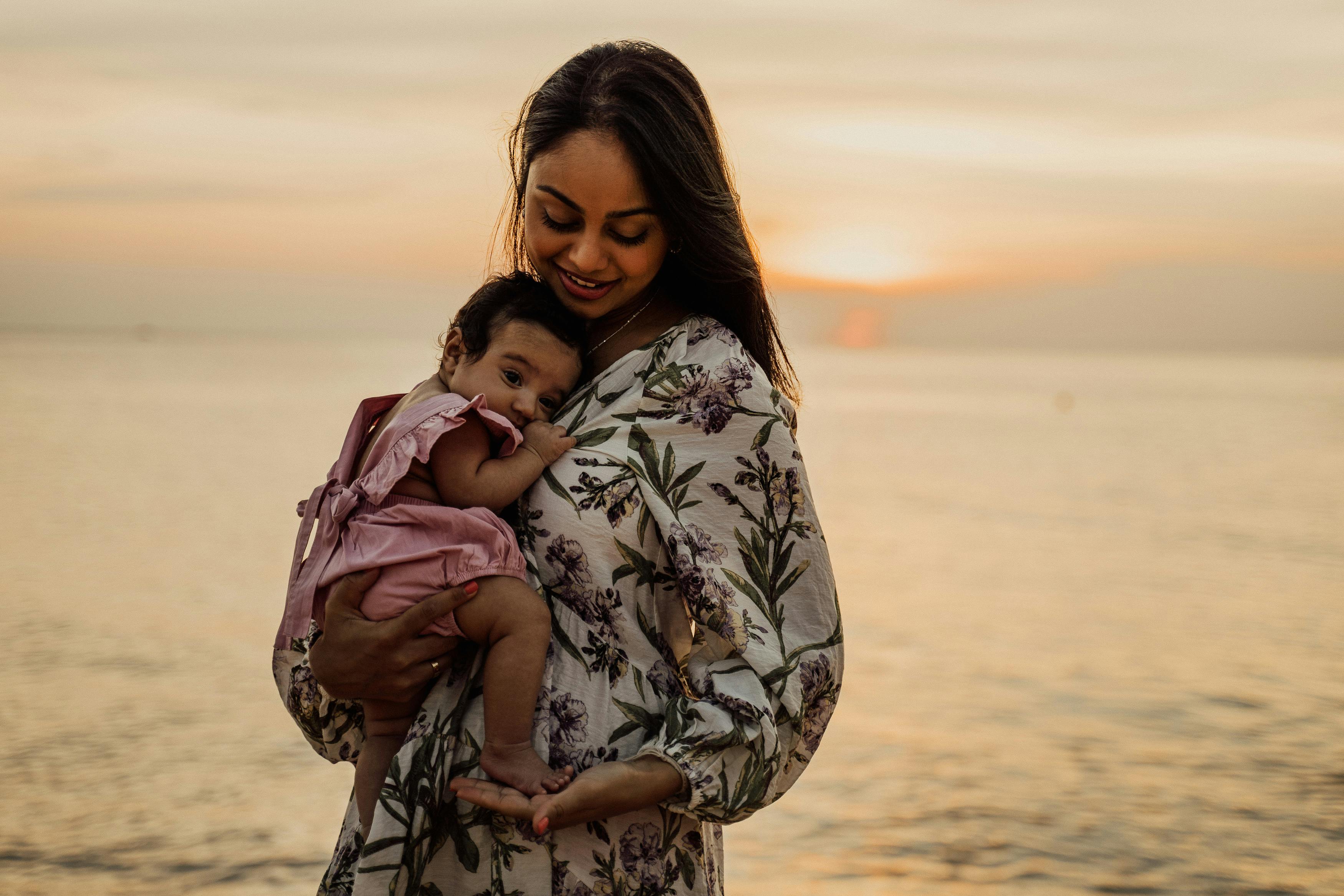
Why Ubud is the Ultimate Sanctuary for a Postnatal Recovery Retreat
Discover why Ubud, Bali is the premier destination for luxury postnatal recovery. Explore how Amarta Nurtura combines clinical excellence with Balinese healing rituals for the fourth trimester.
The fourth trimester is a critical window of physiological and emotional transition that requires more than just rest; it demands a dedicated sanctuary. Ubud, Bali — long revered as a global epicentre for healing — offers a unique microclimate and spiritual resonance that perfectly complements modern postnatal clinical care. For the discerning mother, an Ubud-based retreat represents the intersection of luxury, privacy, and evidence-based recovery. At Amarta Nurtura, we harness this specific geographical energy to deliver the Amarta Method, ensuring that every mother exits her transition feeling restored, empowered, and clinically supported.
The Physiological Benefits of Ubud's Healing Microclimate
Ubud's unique environment in the Balinese central highlands provides a biological advantage for tissue healing and hormonal stabilisation. The combination of high air quality and biophilic surroundings directly influences maternal recovery markers.
Natural Circadian Rhythm Regulation in the Jungle
The postpartum nervous system is acutely sensitive to environmental light cues. Ubud's position at approximately 475 metres elevation within a living jungle canopy provides a quality of natural light that is qualitatively different from the fluorescent and screen-dominated environments of urban domestic life. The dappled, changing light of the Balinese forest — moving from cool blue-spectrum dawn light through warm golden midday and into the amber tones of dusk — supports the restoration of the circadian architecture that is comprehensively disrupted by the sleep fragmentation of early newborn care. At Amarta Nurtura, villa orientations are designed to maximize exposure to this natural light rhythm as a passive therapeutic tool for maternal sleep quality and mood regulation.
The Impact of Negative Ions on Postpartum Mental Health
Ubud's proximity to running water — the Ayung River valley, its tributary streams, and the cascading rice terrace irrigation systems — generates an environment consistently high in atmospheric negative ions. Negative ion exposure has a well-documented effect on serotonin metabolism: elevated negative ion concentrations have been shown in multiple clinical trials to reduce depressive symptomatology and improve subjective wellbeing. The mechanisms align with what Balinese healing philosophy has understood intuitively for centuries — that proximity to moving water is restorative to the spirit. At Amarta Nurtura, outdoor rest spaces and movement areas are positioned to maximize exposure to this natural environmental resource.
Optimal Humidity for Post-Surgical and Skin Recovery
Ubud's central highland climate maintains a relatively stable humidity range of 70–80%, which represents the optimal environment for wound healing and skin barrier restoration. Post-caesarean scar tissue and perineal repairs both benefit from consistent moderate humidity: skin that is neither too dry nor excessively damp heals with greater integrity and reduced risk of secondary wound complications. This environmental factor — invisible, effortless, and continuously present — provides a passive recovery advantage that urban air-conditioned environments cannot replicate. For mothers recovering from surgical birth, Ubud's climate is not merely pleasant; it is therapeutically meaningful.
The Amarta Method: Bridging Clinical Science and Balinese Tradition
True recovery requires a multidisciplinary approach that respects both the physical and the metaphysical. Our proprietary Amarta Method ensures that your recovery is guided by data while being softened by ancient wisdom.
Evidence-Based Pelvic Floor and Core Rehabilitation
The pelvic floor does not heal by resting; it heals through progressive, expert-guided rehabilitation. Our specialist pelvic physiotherapist conducts a comprehensive internal and external assessment at intake, mapping the precise pattern of dysfunction — whether hypertonicity, hypotonicity, scar tissue restriction, or diastasis recti — and designing an individualized programme that progresses in accordance with the mother's clinical response. Sessions progress from breath-based deep core reconnection through graduated load-bearing and functional integration, ensuring that the mother leaves with a robust home programme and the neuromuscular literacy to execute it independently. This level of pelvic rehabilitation expertise is not available at a standard wellness retreat; it is the clinical backbone of the Amarta Method.
Sacred Balinese Postnatal Rituals and Jamu Medicine
Jamu — Indonesia's ancient botanical medicine tradition — provides a complementary system of postpartum support that runs in parallel with clinical care throughout the Amarta Nurtura stay. Daily herbal tonic formulations, prepared by our clinical herbalist in collaboration with our maternal dietitian, address inflammation, uterine recovery, milk supply support, and nervous system regulation using spice and plant compounds whose therapeutic properties are increasingly validated by contemporary pharmacological research. Boreh warming treatments, Bengkung belly binding, and melukat purification ceremonies are offered within a framework that respects both their cultural integrity and their clinical purpose. These are not aesthetic additions — they are active therapeutic modalities within the Amarta Method.
Clinical Lactation Support in a Sanctuary Setting
Breastfeeding in the early weeks is a clinical skill that requires expert support, particularly for first-time mothers. Our International Board Certified Lactation Consultant conducts daily assessments, addressing latch mechanics, milk transfer efficiency, breast engorgement, nipple trauma, and the early identification of conditions such as posterior tongue tie that require medical referral. This clinical expertise, delivered within the calm and unhurried environment of a private Ubud sanctuary, produces outcomes that are measurably superior to those achievable in the brief, pressured context of a hospital lactation consultation. The sanctuary setting is not incidental to the clinical work — it is what makes the clinical work effective.
Architecture of Healing: Why Luxury Villas Surpass Clinical Wards
The environment in which a mother recovers can significantly shorten the duration of the 'fight or flight' response common in early motherhood. Our villa design prioritises sensory neutrality and maternal-infant bonding.
Biophilic Design and Cortisol Reduction
Biophilic design — the intentional incorporation of natural materials, living plants, natural light, and organic forms into built environments — has a measurable cortisol-reducing effect that has been extensively documented in environmental psychology research. At Amarta Nurtura, the villa environments are designed around biophilic principles: natural stone, reclaimed wood, living walls, open-air pavilion spaces, and direct visual connection to the surrounding garden and jungle. The aesthetic result is beautiful; the clinical result is a nervous system that spends more time in the parasympathetic recovery state and less in the sympathetic stress response. For a postpartum mother, this environmental modulation is not a luxury preference — it is a clinical requirement.
Private Recovery Suites Designed for the Fourth Trimester
The standard hotel room was not designed for the postpartum body. Bed heights, bathroom configurations, lighting systems, and sleeping arrangements are optimised for the able-bodied adult traveller. Our recovery suites are designed from the ground up around the specific ergonomic and clinical needs of the postpartum mother: bed heights that allow safe, pain-free transfer with a healing caesarean scar; shower configurations with appropriate support rails; feeding stations positioned for optimal lactation posture; blackout systems for protected daytime sleep; and nursery infrastructure that keeps the infant both accessible and safely contained. This purposeful design detail is the physical expression of the Amarta Nurtura philosophy: that every element of the environment should serve the mother's recovery.
Integrated Activity Spaces for Gentle Movement
Amarta Nurtura's dedicated activity space is designed for the specific movement needs of the postpartum body. Pelvic floor physiotherapy, breath-based core reconnection, gentle yoga adapted for postpartum recovery, baby massage, and co-parenting movement classes all take place in a space designed with clinical purpose. Natural ventilation, appropriate floor surfaces, and scaled equipment ensure that every movement session can be conducted safely and effectively. The gentle daily movement integrated into the recovery programme is itself a clinical intervention — progressively restoring functional capacity, supporting lymphatic drainage, improving mood through endorphin release, and rebuilding the mother's embodied confidence.
Nutritional Alchemy: Balinese Superfoods for Lactation
Postpartum depletion is a global phenomenon that we address through localised, nutrient-dense gastronomy. Our culinary programme focuses on anti-inflammatory ingredients that support both the mother's healing and the infant's development.
The Role of Moringa and Turmeric in Tissue Repair
Moringa — the 'miracle tree' cultivated throughout Bali — is one of the most nutritionally dense plants available in the postpartum context. With a protein profile comparable to eggs, an iron content significantly exceeding spinach, and a calcium concentration that surpasses dairy, moringa provides a concentrated source of the nutrients most significantly depleted by pregnancy and birth. Turmeric's primary active compound, curcumin, is among the most extensively researched natural anti-inflammatory agents, with documented effects on post-surgical healing, reduction of systemic inflammation, and neurological protection relevant to postpartum mood disorders. At Amarta Nurtura, these ingredients appear not as 'superfoods' marketing but as precisely calibrated therapeutic tools within a clinical nutritional programme.
Customized Meal Planning for Breastfeeding Success
Milk production is an energetically expensive biological process requiring approximately 500 additional kilocalories per day alongside substantially elevated intakes of iodine, choline, vitamin D, and omega-3 fatty acids. Our clinical nutritionist designs each guest's meal programme individually, taking into account birth type, current clinical presentation, feeding goals, and personal food preferences. The Mama Nurtura meal programme — served in the villa by our culinary team — provides three nutritionally optimised meals and structured snacks daily, ensuring that the biochemical requirements of milk production are consistently met without the cognitive burden of meal planning falling on the mother. The food is delicious; the nutrition is clinical.
Hydration Strategies Using Local Balinese Botanicals
Adequate hydration is fundamental to milk production, wound healing, and the clearance of the metabolic byproducts of physiological recovery. At Amarta Nurtura, hydration is approached as a therapeutic practice rather than a passive background requirement. Daily herbal infusions using locally sourced Balinese botanicals — rosella, lemongrass, butterfly pea flower, and pandan — provide flavour complexity that encourages consistent fluid intake while delivering their own therapeutic compounds. Coconut water, rich in electrolytes and potassium, is incorporated as a recovery-supportive hydration strategy. Mothers who are well-hydrated produce more milk, heal more quickly, and report significantly better subjective wellbeing across the stay.
Partner Integration: Building a Sustainable Modern Village
Unlike traditional medical settings that isolate the mother, Ubud's retreat culture encourages the integration of the partner into the care circle. We provide the space for the entire family unit to calibrate.
Partner Coaching and Newborn Integration
The modern partner is often expected to be simultaneously competent in newborn care, emotionally present for the mother, professionally functional, and psychologically stable — with no preparation, no rest, and no acknowledged transition of their own. At Amarta Nurtura, the partner's experience of the fourth trimester is held as seriously as the mother's. Our structured partner coaching programme covers newborn care fundamentals, maternal recovery stages, the neurobiological changes of patrescence, communication strategies for the postpartum period, and the practical architecture of the home support environment that awaits after the retreat. Partners leave significantly more prepared, significantly less anxious, and significantly more capable of providing the informed support that transforms recovery outcomes.
The Social Architecture of Postpartum Support
The concept of the 'village' — the extended community of support that has surrounded new mothers across human history — has been comprehensively dismantled by the conditions of contemporary life. Nuclear families, geographic mobility, digital connection that substitutes for physical presence, and the cultural expectation of self-sufficiency have left most Western mothers navigating the fourth trimester in conditions of social isolation that are both historically unprecedented and clinically damaging. Amarta Nurtura provides a temporary but genuine village: a multidisciplinary team of care professionals, the natural community of other families navigating the same transition, and a Balinese cultural context in which the care of new mothers is understood as a collective social responsibility rather than a private domestic matter.
Transitioning from Sanctuary to Home Life
The transition home is a critical clinical moment that Amarta Nurtura prepares for explicitly and systematically. Discharge planning begins in the first week of the stay: home environment assessment, local clinical referral network establishment, sustainable nutritional strategy development, and the construction of a realistic home support plan that acknowledges the specific resources and limitations of each family's context. Our programmes include a structured post-retreat consultation at two weeks following departure, providing a clinical checkpoint at the moment when the reality of the home environment is most acutely felt. The sanctuary stay is a beginning, not an end.
Conclusion
Choosing a postnatal recovery retreat in Ubud is an investment in the foundational health of both mother and child. By stepping away from the pressures of daily life and into the curated environment of Amarta Nurtura, families can navigate the complexities of the fourth trimester with clinical confidence and luxury ease. The combination of Ubud's natural serenity and our rigorous Amarta Method ensures that your journey into motherhood is marked by restoration rather than depletion. We invite you to experience the definitive standard of postnatal care in the heart of Bali.
Explore our tailored postnatal programmes, view our luxury recovery villas in Ubud, or book a clinical consultation for your fourth trimester via our enquiry page.
Frequently Asked Questions
What makes Ubud better for postpartum recovery than a city hotel?
Ubud's central highland environment offers a specific combination of physiological advantages — negative ion density, circadian-supportive natural light, optimal wound-healing humidity, and biophilic sensory conditions — that urban hotel environments cannot replicate. Beyond the environmental factors, Ubud's cultural context — in which healing is understood as a collective and sacred practice — creates a social environment that actively supports rather than undermines the mother's recovery. A city hotel provides comfort; Amarta Nurtura in Ubud provides a clinically and culturally designed therapeutic sanctuary.
How does the Amarta Method integrate with traditional Western medical advice?
The Amarta Method is designed to complement, not replace, the obstetric and paediatric care provided by the mother's medical team. Our clinical intake assessment reviews the mother's discharge documentation and ongoing medical instructions, and our team works within the scope of their respective disciplines — midwifery, physiotherapy, lactation consultancy, nutrition — to support the recovery trajectory outlined by the primary medical team. Where clinical concerns arise during the stay that require medical intervention beyond our scope, we have established referral relationships with Bali's leading international medical facilities. Integration with the guest's home medical team is facilitated through comprehensive written discharge documentation.
Can my partner stay with me during the postnatal retreat?
Partners are warmly welcomed and actively encouraged to participate in the full Amarta Nurtura experience. Our villa configurations are designed to accommodate the family unit with flexibility and care, and our partner integration programme provides structured clinical education, shared wellness experiences, and facilitated communication sessions. The Amarta Method positions the partner as an active member of the recovery ecosystem rather than a guest — a distinction that produces meaningfully better outcomes for both the mother's recovery and the family's long-term wellbeing.
What clinical qualifications does the Amarta Nurtura team hold?
Our multidisciplinary team includes registered midwives with postgraduate perinatal specialisation, a pelvic floor physiotherapist with specific postpartum rehabilitation training, an International Board Certified Lactation Consultant (IBCLC), a clinical maternal dietitian, and Balinese healing practitioners trained within their respective traditional disciplines. All clinical staff hold current registration with their relevant professional bodies and participate in ongoing professional development. Full team credentials are available on request through our enquiry process.
When is the best time during pregnancy to book a postnatal retreat?
We recommend booking during the second or early third trimester to secure your preferred dates and allow adequate pre-arrival communication with our clinical team. Earlier booking also allows our midwifery team to establish a relationship with the expectant mother, conduct a comprehensive pre-admission assessment, and begin designing the individualized recovery programme before arrival. For mothers with complex medical histories or anticipated clinical needs, earlier booking allows for more thorough preparation. Our enquiry team is available to discuss timing and availability from any point in pregnancy.
Ready to begin your restoration journey?
Experience the Amarta Method at our intimate boutique resort in Ubud, Bali.