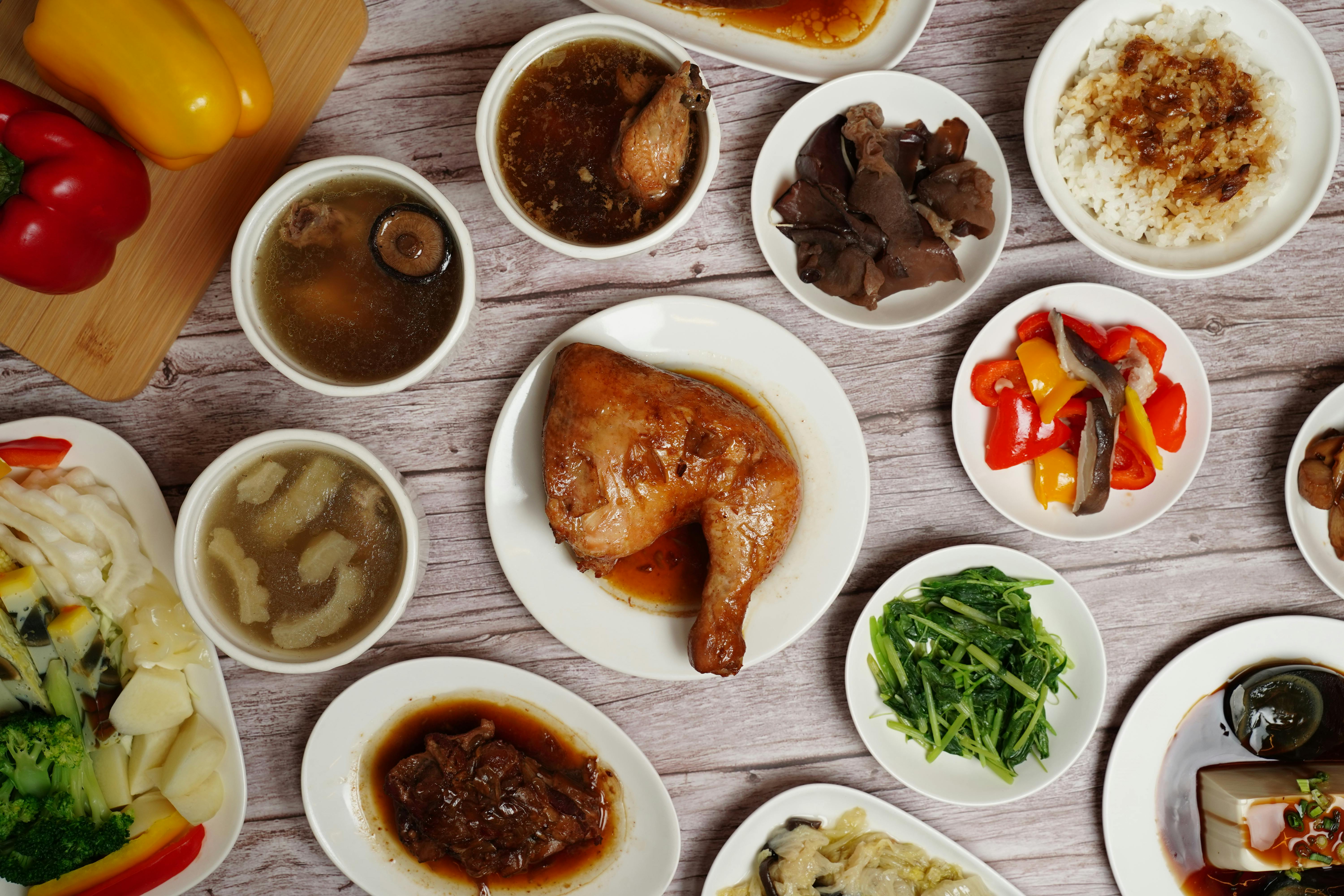
What to Eat After a C-Section: Gentle Meals for Healing & Recovery
A C-section is major abdominal surgery. Discover the best foods to support tissue repair, manage inflammation, and restore your energy during the postpartum transition in Bali.
Recovering from a Cesarean section is a unique journey that blends the joys of new motherhood with the physiological demands of recovering from major surgery. While your heart is focused on your new arrival, your body is working overtime to repair layers of skin, muscle, and the uterine wall. In the gentle, restorative atmosphere of Bali, the tradition of the Sacred Window reminds us that the nourishment you receive in these first few weeks dictates your health for years to come.
At Amarta Nurtura, we approach what to eat after a C-section through a lens of clinical credibility and traditional warmth. By prioritizing specific nutrients, we can support the body's natural inflammatory response, ensure efficient tissue repair, and manage the digestive sluggishness that often follows abdominal procedures.
The Science of Tissue Repair: Key Nutrients for Incision Healing
When we look at recovery from a clinical perspective, your body requires an increased intake of specific repair nutrients. A C-section involves a surgical incision that requires the body to synthesize new protein fibers to close the wound and restore structural integrity.
Protein: The Essential Building Block
Protein is non-negotiable during post-surgical recovery. Amino acids found in protein-rich foods like slow-cooked meats, organic eggs, and sprouted legumes are the primary materials your body uses to rebuild tissue. For mothers in Bali, incorporating high-quality poultry or local fish provides the lysine and proline necessary for skin health. We recommend protein that has been slow-cooked or braised, making it easier for the body to break down and utilize immediately.
Vitamin C and Collagen Synthesis
Vitamin C is a powerful co-factor in the production of collagen — the protein that acts as the structural glue for your healing incision. Without adequate Vitamin C, wound healing can be delayed. Incorporating tropical fruits like papaya, which is abundant in Bali, or citrus and bell peppers ensures that your body has the tools to strengthen the surgical site. Our meal programs regularly feature Vitamin C-rich infusions to support this critical phase of the C-section healing diet.
Zinc for Cell Growth and Repair
Zinc is a trace mineral that plays a vital role in cell division and protein synthesis. It is particularly active during the early stages of wound healing. Including pumpkin seeds, grass-fed beef, or lentils in your meals can help prevent infection and ensure that cellular turnover at the incision site is optimized.
Managing Digestion and Restoring Motility
One of the most common complaints after a C-section is digestive discomfort. The combination of abdominal surgery, movement restrictions, and certain medications can lead to ileus — a temporary slowing of the digestive tract. Knowing what to eat after a C-section must therefore include a focus on gut motility.
The Power of Soluble Fiber
While fiber is essential, the type of fiber matters. In the first few days, we focus on soluble fiber, which is gentler on the gut. Think of cooked oats, stewed apples, and steamed root vegetables. These help move waste through the system without causing the gas or bloating that high amounts of raw, insoluble fiber — like large raw salads — might trigger in a sensitive post-operative gut.
Hydration Beyond Water
Hydration is the engine of recovery. It keeps blood flowing to the healing site and prevents the constipation that can put undue pressure on abdominal stitches. We advocate for functional hydration: liquids that provide electrolytes and minerals. Coconut water, a staple of Balinese life, is an excellent natural source, while our specialized bone broths provide the added benefit of gelatin to soothe the gut lining.
Warm, Pre-Digested Foods: Why Congee and Soups Win
In many traditional cultures, including those across Southeast Asia, warm foods are prioritized postpartum. From a nutritional science perspective, this makes sense: warm, liquid-based meals like congee or soups are essentially pre-digested. They require less energy from your taxed digestive system, allowing more to be diverted toward healing your incision and producing breast milk.
Reducing Post-Surgical Inflammation Naturally
Inflammation is a necessary part of the body's initial response to surgery, but chronic or excessive inflammation can lead to increased pain and a slower recovery.
Traditional Balinese Anti-Inflammatories: Turmeric and Ginger
Bali is home to some of the world's most potent anti-inflammatory ingredients. Turmeric (kunyit) and ginger (jahe) contain bioactive compounds — curcumin and gingerol — that can help manage post-operative swelling and discomfort naturally. When paired with a pinch of black pepper for enhanced absorption, these ingredients feature throughout our postpartum recovery meals in both savory dishes and healing jamu tonics.
Omega-3 Fatty Acids for Cellular Health
Omega-3 fatty acids, found in fatty fish, walnuts, and chia seeds, help regulate the inflammatory cascade. They also support the development of your baby's brain and eyes during breastfeeding. A balanced intake ensures that cell membranes remain fluid and healthy throughout the repair process.
The Role of Antioxidant-Rich Tropical Fruits
Antioxidants help neutralize the oxidative stress caused by surgery. Bali's bounty of mangosteen, dragon fruit, and papaya offers a delicious way to flood your system with protective phytonutrients. These fruits also provide natural enzymes — like papain in papaya — that further assist in protein digestion.
Blood Replenishment and Energy Restoration
A C-section typically involves more blood loss than a vaginal birth. Restoring your iron levels is essential not only for physical energy but also for your mental wellbeing during the early postpartum weeks.
Heme and Non-Heme Iron Sources
Iron is the core of haemoglobin, which carries oxygen to your cells and the healing wound. We focus on heme iron from animal sources for high bioavailability, balanced with plant-based non-heme sources like spinach and moringa (kelor) — a local superfood in Bali. Pairing these with Vitamin C-rich foods ensures maximum absorption.
B-Vitamins for Postpartum Vitality
B-vitamins, particularly B12 and folate, are crucial for red blood cell formation and DNA synthesis. Since many mothers feel depleted after surgery, our clinical nutrition programs emphasize B-vitamin density to stabilize energy levels and support the nervous system during the transition into motherhood.
Balancing Blood Sugar for Mood Stability
The hormonal shift after birth is dramatic. By consuming complex carbohydrates — like red rice or sweet potatoes — alongside healthy fats and proteins, you can prevent blood sugar crashes. This stability is vital for managing the emotional sensitivity that often accompanies the first weeks of postpartum recovery.
The Amarta Nurtura Philosophy: Bridging Science and Bali Tradition
At Amarta Nurtura, we don't believe you have to choose between clinical nutrition and cultural wisdom. Our philosophy is rooted in the belief that a mother who is deeply nourished will have the capacity to deeply nourish her child.
The Concept of 'Warmth' in Postpartum Healing
In the Balinese tradition of postpartum care, keeping the mother warm is essential. This extends to both the temperature and the energetic nature of food. We avoid cold, raw foods in the immediate weeks after a C-section, focusing instead on heat-inducing spices and thermally warm meals that encourage circulation and healing.
Locally Sourced, Nutrient-Dense Ingredients
We pride ourselves on our relationships with local Bali farmers. By using produce that hasn't traveled thousands of miles, we ensure the highest vitamin content in every bite. From the mineral-rich volcanic soil of Bedugul to the fresh catch of the Jimbaran coast, our ingredients are as vibrant as the island itself.
Personalized Support for Bali's International Community
Whether you are staying with us at the resort or visiting as an external guest, we understand the challenges of navigating recovery in a foreign environment. We provide both the practical nourishment and the emotional holding that every mother deserves during her sacred transition.
Practical Meal Planning for the First Two Weeks
Days 1–3: The Liquid and Soft Food Phase
Immediately following surgery, the focus is on hydration and ease. Clear broths, coconut water, and simple rice congees infused with ginger are ideal. This allows the bowels to wake up gently without the stress of heavy solids.
Days 4–10: Building Strength and Lactation Support
As your appetite returns, we introduce building foods: slow-cooked stews, moringa soups, and nutrient-dense lactation snacks. This phase focuses on providing the extra calories per day required for breastfeeding while continuing the work of internal tissue repair.
Outsourcing Your Recovery
The most common obstacle to healthy eating after a C-section is the sheer exhaustion of caring for a newborn while healing from surgery. This is why many mothers choose to stay with us or book our à la carte nutrition consultations. We handle the sourcing, the science, and the cooking, so you can focus entirely on skin-to-skin time and rest.
Conclusion
Recovering from a C-section is a marathon, not a sprint. By focusing on nutrient-dense, easily digestible, and anti-inflammatory foods, you provide your body with the grace it needs to heal. Whether you are navigating this journey in the heart of Ubud or the coast of Canggu, your nourishment is the catalyst for your recovery. Let the healing traditions of Bali and the precision of perinatal science guide your plate.
Ready to begin? Explore our postpartum programs or contact our team to book a personalized nutrition consultation.
Ready to begin your restoration journey?
Experience the Amarta Method at our intimate boutique resort in Ubud, Bali.