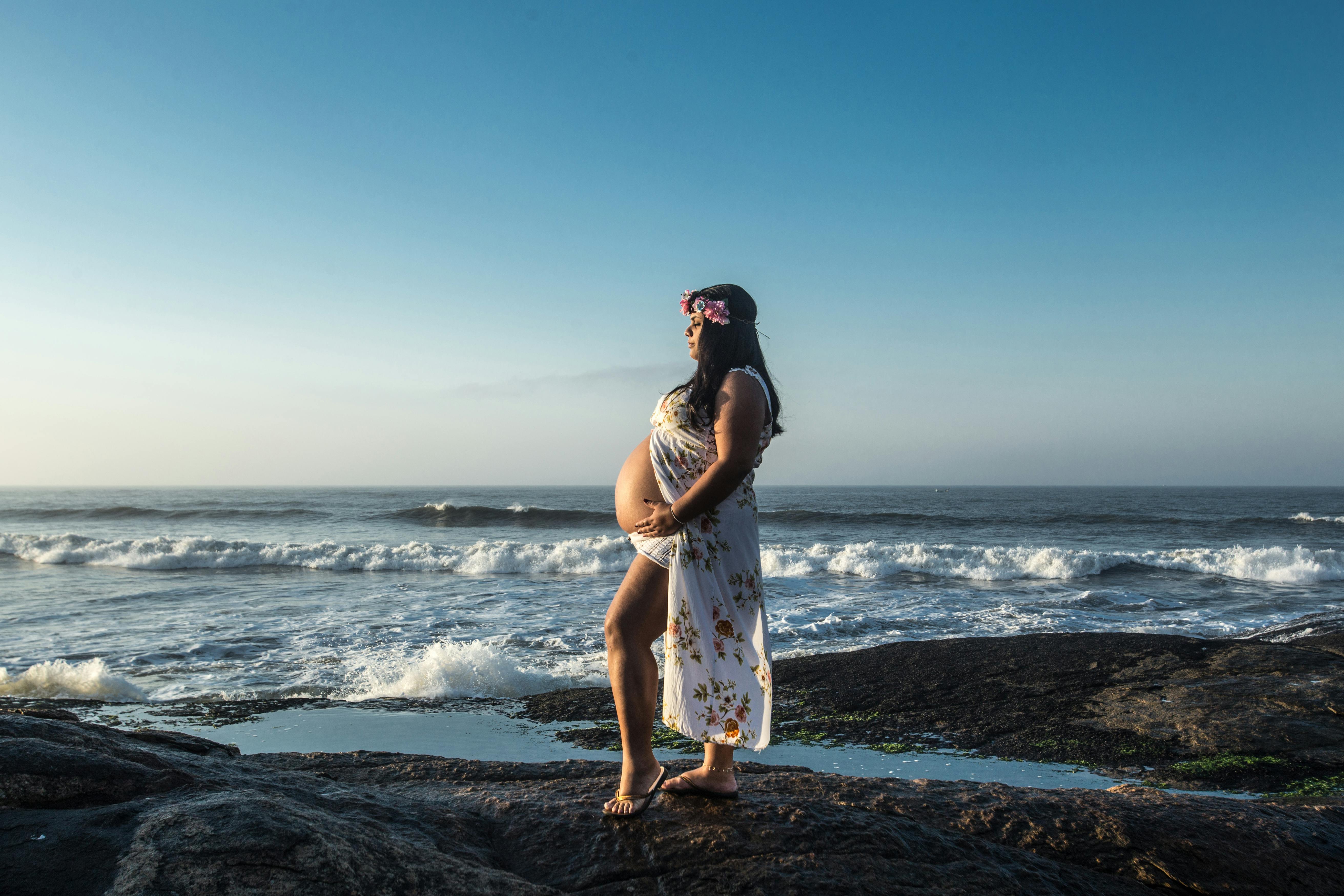
What Is a Babymoon? Meaning, Timing, and Why You Need One
Understand the true babymoon meaning and learn when to take a babymoon for maximum comfort and health. Explore why a prenatal retreat is essential for the fourth trimester.
The transition into parenthood is one of life's most profound shifts, requiring more than just nursery planning; it demands internal preparation. While the term has gained popularity in recent years, many expectant parents are still asking: what is a babymoon, exactly? Far from being just another vacation, a babymoon is a dedicated window of time for expectant couples to reconnect, rest, and physically prepare for the journey of birth and the subsequent fourth trimester. At Amarta Nurtura, we view this period as a vital phase of the maternal continuum, where clinical care meets restorative luxury to ensure the mother is as nurtured as the life she is carrying.
Understanding the Babymoon Meaning: More Than a Getaway
While the literal definition implies a vacation before a baby arrives, the deeper babymoon meaning centers on intentionality and transition. It is a ritual of pause in an otherwise busy gestational period—a deliberate stepping back from the demands of professional and domestic life to honor the magnitude of the change that is approaching. Understanding this distinction is essential because it shapes every decision about where to go, what to do, and how to structure the experience. A vacation is an escape from routine; a babymoon is a preparation for the most significant transition of adult life.
The Evolution of the Term
The word 'babymoon' was originally coined in the early 1990s by British midwife Sheila Kitzinger to describe the immediate postpartum period of bonding between parents and newborn. Over time, the travel industry adopted and reshaped the term to refer to a pre-birth vacation taken by expectant parents. This semantic drift is worth noting because it reveals a tension at the heart of the modern babymoon: the original meaning emphasized protected bonding and recovery, while the travel-industry meaning emphasizes leisure and indulgence. At Amarta Nurtura, we believe the most valuable babymoon experience integrates both meanings—a pre-birth retreat that prepares the mother physically and emotionally for the birth and the postpartum period, while also providing the restorative luxury that allows the couple to reconnect before the profound disruption of a new family member.
Intentional Reconnection with Your Partner
The arrival of a child fundamentally restructures a partnership. The early months of parenthood, with their sleep deprivation, divided attention, and shifted priorities, can strain even the strongest relationship. A babymoon provides a protected space for intentional reconnection before this transition—a time for the couple to be fully present with each other, to discuss their hopes and fears for the approaching birth, to align on parenting values, and to simply enjoy the intimacy that will be harder to access in the early months of parenthood. This relational work is not a luxury; it is a form of preparation that strengthens the partnership's foundation for the stresses ahead. Research on marital satisfaction consistently shows a decline in relationship quality after the birth of a first child, and proactive relationship investment during pregnancy is one of the few interventions that meaningfully buffers against this decline.
Mental Preparation for the Fourth Trimester
Beyond relational preparation, a babymoon serves a critical function in maternal mental preparation. The fourth trimester—the first twelve weeks after delivery—is a period of profound physiological and psychological adjustment. Expectant mothers who have the opportunity to rest, reflect, and prepare during a structured babymoon enter this period with greater emotional resilience and a clearer understanding of what to expect. At Amarta Nurtura, our prenatal programming includes education on the fourth trimester, helping mothers anticipate the physical recovery process, the emotional landscape of early motherhood, and the practical demands of newborn care. This preparation transforms the babymoon from a passive vacation into an active, empowered preparation for the postpartum journey.
When to Take a Babymoon for Optimal Safety and Comfort
Timing is everything when planning a prenatal trip. Knowing when to take a babymoon ensures you are past the morning sickness of the first trimester but before the physical constraints of the third. The right timing maximizes both the enjoyment of the experience and its preparative value, while also respecting the medical realities of pregnancy travel.
The Second Trimester 'Sweet Spot'
The second trimester—roughly weeks 14 to 27—is widely regarded as the best time for a babymoon. By this point, the nausea and fatigue of the first trimester have typically resolved, and the mother has regained energy. The risk of miscarriage has dropped significantly, and the pregnancy is clinically stable. The belly is visible but not yet so large as to cause significant physical discomfort or restrict mobility. Most airlines accept pregnant travelers without restriction through 28 weeks, and most travel insurance policies cover pregnancy-related complications through this window. The second trimester also offers a psychological sweet spot: the mother has had time to bond with the pregnancy and process the reality of impending motherhood, making the preparative dimension of the babymoon more meaningful.
Travel Safety and Flying Considerations
Pregnant travelers should consider several safety factors when planning a babymoon. Air travel is generally safe through 36 weeks for uncomplicated pregnancies, but most airlines require a medical certificate for travel after 28 weeks and restrict travel after 36 weeks. Long-haul flights increase the risk of deep vein thrombosis, so expectant mothers should wear compression stockings, hydrate generously, and move regularly during the flight. Destination selection should consider proximity to medical care, the availability of pregnancy-safe activities, and the quality of local healthcare in case of emergency. At Amarta Nurtura, our team can coordinate with your obstetric provider before arrival to ensure the destination is appropriate for your specific pregnancy and to establish a medical contingency plan, providing peace of mind that a generic vacation destination cannot offer.
Monitoring Physical Energy Levels
While the second trimester is the general sweet spot, the specific timing should be personalized based on the mother's individual energy levels and pregnancy experience. Some women experience continued fatigue well into the second trimester, while others feel a surge of energy that makes an active babymoon ideal. The key is to listen to your body rather than adhering rigidly to a calendar. If you are experiencing complications—hyperemesis gravidarum, gestational diabetes, placental issues—the timing and nature of your babymoon should be discussed with your obstetric provider. At Amarta Nurtura, our pre-arrival consultation includes a review of your pregnancy history and current status, allowing our clinical team to advise on optimal timing and to tailor the experience to your specific energy level and clinical profile.
The Physiological Benefits of a Professional Prenatal Retreat
A babymoon should provide more than just aesthetic surroundings; it should offer measurable health benefits. Shifting from a generic vacation to a wellness-focused retreat can significantly impact maternal well-being. The physiological demands of pregnancy are substantial, and a retreat that addresses these demands through targeted clinical support produces benefits that extend well beyond the duration of the stay.
Cortisol Reduction and Stress Management
Chronic maternal stress during pregnancy is associated with a range of adverse outcomes, including preterm birth, low birth weight, and developmental impacts on the fetus. A professional prenatal retreat provides the conditions for genuine stress reduction—a protected environment, expert support, and practices that actively lower cortisol and regulate the nervous system. At Amarta Nurtura, our prenatal programming includes meditation, gentle yoga, breathwork, and traditional Balinese healing practices, all delivered within an environment specifically designed to support nervous system regulation. The seclusion of the sanctuary, the natural beauty of the Ubud landscape, and the removal of daily stressors create the conditions for a depth of relaxation that is difficult to achieve in everyday life, and the physiological benefits of this relaxation are real and measurable.
Addressing Pregnancy-Related Aches
As pregnancy progresses, the body undergoes significant musculoskeletal changes that produce discomfort: lower back pain as the center of gravity shifts, sciatic nerve compression as the baby grows, round ligament pain as the uterus expands, and pelvic girdle pain as the joints loosen in preparation for birth. A professional prenatal retreat addresses these discomforts through targeted bodywork. At Amarta Nurtura, our specially trained therapists offer prenatal massage that is adapted to the specific needs and contraindications of pregnancy, providing relief from musculoskeletal tension while ensuring safety for both mother and baby. Traditional Balinese prenatal massage techniques, refined over centuries, offer a depth of therapeutic benefit that generic spa massage cannot match, particularly when delivered by therapists trained in both traditional techniques and clinical prenatal care.
The Importance of Targeted Pelvic Health
Pelvic floor health during pregnancy is often overlooked, yet it is one of the most important factors in both birth outcomes and postpartum recovery. A professional prenatal retreat can introduce pelvic floor awareness and preparation, helping the mother understand the role of the pelvic floor in birth and beginning the process of optimizing pelvic floor function. At Amarta Nurtura, our pelvic health specialists provide prenatal assessment and education, introducing practices that support pelvic floor mobility and strength in preparation for birth. This proactive approach to pelvic health is one of the most valuable elements of a clinically informed babymoon, and it is a dimension of prenatal care that generic babymoon destinations do not address.
What to Look for in a Luxury Babymoon Destination
Not all destinations are equipped to handle the specific needs of an expectant mother. When selecting your sanctuary, prioritize clinical proximity and specialized service. The distinction between a generic luxury resort and a destination designed for maternal wellness is the difference between a pleasant vacation and a genuinely preparative experience.
Specialized Maternal Nutrition
Pregnancy nutrition is not general wellness advice; it is a specific clinical domain that requires expertise. A luxury babymoon destination should offer nutrition designed for the expectant mother—rich in the nutrients that support fetal development, balanced for the management of pregnancy conditions like gestational diabetes, and adapted to the digestive sensitivities of pregnancy. At Amarta Nurtura, our clinical nutritionist designs personalized prenatal meal plans that support both maternal health and fetal development, using locally sourced, nutrient-dense ingredients. Traditional Jamu herbal preparations, adapted for pregnancy safety, provide targeted nutritional support. This level of nutritional precision is a hallmark of a destination that takes maternal wellness seriously, and it is something that a generic luxury resort, with its standard restaurant menus, does not provide.
Expert-Led Wellness Programming
A babymoon destination should offer wellness programming designed and delivered by experts in maternal health, not generic spa therapists. This includes prenatal yoga taught by instructors certified in prenatal instruction, massage delivered by therapists trained in prenatal techniques, and educational sessions led by qualified practitioners. At Amarta Nurtura, our prenatal wellness programming is designed by our clinical team and delivered by practitioners with specific training in maternal care. Every element of the programming is screened for pregnancy safety and tailored to the specific stage of pregnancy. This expert-led approach ensures that the wellness activities support rather than compromise the pregnancy, and it is a critical distinction between a maternal wellness destination and a luxury resort that simply accommodates pregnant guests.
Serene Environments for Nervous System Regulation
The physical environment of a babymoon destination is not merely aesthetic; it is a functional element of the wellness experience. A serene, natural environment supports the nervous system regulation that is central to the physiological benefits of a prenatal retreat. At Amarta Nurtura, the Ubud setting—lush tropical vegetation, flowing water, and the acoustic environment of the Balinese highlands—provides a sensory environment that actively supports stress reduction. The private luxury villas are designed for seclusion and comfort, with environmental controls that accommodate the temperature sensitivities of pregnancy. This intentional design of the physical environment as a therapeutic tool is a hallmark of a destination that understands maternal wellness as a clinical discipline rather than a hospitality concept.
Integrating the Amarta Method into Your Prenatal Journey
In the heart of Ubud, Amarta Nurtura redefines the babymoon by blending Balinese healing traditions with modern clinical support. We believe the babymoon is the foundation of a successful postpartum recovery. The Amarta Method, applied to the prenatal period, transforms the babymoon from a pre-bath vacation into the first phase of a comprehensive maternal care continuum.
Balinese Rituals for Expectant Mothers
Bali's healing traditions offer specific practices for the expectant mother that have been refined over centuries. Traditional Balinese prenatal massage supports the changing body through pregnancy-specific techniques that relieve tension, improve circulation, and promote the parasympathetic state. Jamu herbal preparations, carefully adapted for pregnancy safety, provide nutritional and herbal support tailored to the specific stage of gestation. Traditional blessing ceremonies offer a spiritual dimension to the prenatal journey, honoring the transition into motherhood within a cultural framework that recognizes its sacred significance. At Amarta Nurtura, these traditional practices are integrated within a clinical framework, ensuring they are safe and appropriate for each mother's specific pregnancy.
The Amarta Method: A Holistic Approach
The Amarta Method, applied to the prenatal period, is a multi-disciplinary framework that integrates clinical care, nutritional therapy, physical preparation, traditional healing, and emotional support. The process begins with a pre-arrival consultation that reviews the mother's pregnancy history, current status, and goals for the babymoon. From this consultation, the clinical team designs a personalized prenatal protocol that addresses the mother's specific needs at her specific stage of pregnancy. The protocol includes prenatal bodywork, nutritional therapy, pelvic health education, stress reduction practices, and partner integration, all coordinated into a single, coherent experience. This holistic approach ensures that the babymoon addresses the whole mother—physical, emotional, relational, and spiritual—rather than offering isolated services.
Creating a Seamless Transition to Postpartum Care
The most distinctive feature of the Amarta Method's approach to the babymoon is its integration with postpartum care. The prenatal retreat is designed not as a standalone experience but as the foundation for a successful postpartum recovery. The clinical team that designs the prenatal protocol can also design the postpartum protocol, creating a seamless continuum of care from pregnancy through recovery. The mother's prenatal assessment informs her postpartum care plan, and the practices established during the babymoon—stress management, nutritional habits, pelvic health awareness—carry forward into the fourth trimester. This continuum-based approach reflects our understanding that maternal care is not a series of discrete events but a continuous journey, and that preparation during pregnancy is the foundation of successful recovery after birth. Our postpartum wellness programs extend this continuum, ensuring that the investment made during the babymoon yields returns throughout the fourth trimester and beyond.
Essential Planning Tips for Your Prenatal Sanctuary
Planning should be stress-free to maintain the benefits of the retreat itself. Focus on simplicity, luxury, and health-centric activities. The goal of planning is to minimize decision fatigue and maximize the preparative value of the experience, allowing the expectant mother to arrive at the sanctuary ready to rest and prepare rather than to manage logistics.
Packing for Comfort and Support
Packing for a babymoon should prioritize comfort and physical support. Expectant mothers should pack supportive maternity wear, comfortable walking shoes, compression stockings for travel, and any pregnancy-specific comfort items—pregnancy pillows, support bands, skincare for pregnancy-sensitive skin. At Amarta Nurtura, we provide a comprehensive packing guide tailored to the Ubud climate and the specific activities of the retreat, ensuring mothers arrive prepared without overpacking. The sanctuary also provides pregnancy-specific amenities—prenatal pillows, maternity-safe toiletries, and comfort items—so that mothers can travel light while still having access to everything they need for a comfortable stay.
Choosing Low-Impact, High-Value Activities
A babymoon should focus on activities that support maternal well-being without imposing physical stress. Low-impact activities—prenatal yoga, gentle nature walks, meditation, and therapeutic bodywork—provide significant benefits without the risks associated with more strenuous pursuits. At Amarta Nurtura, the daily schedule is designed around the principle of low-impact, high-value activity, with each element selected for its specific contribution to maternal well-being. The schedule is also flexible, allowing the mother to rest as needed and to participate in activities at the level that feels appropriate for her specific energy level and stage of pregnancy. This intentional curation of activities is a significant advantage over a self-planned vacation, where the mother may inadvertently choose activities that are counterproductive to her prenatal wellness goals.
Setting Boundaries for Work and Technology
The restorative benefits of a babymoon depend on genuine disconnection from the demands of daily life. Expectant mothers should establish clear boundaries for work and technology before the retreat, communicating availability to colleagues and setting up auto-respondents for email. At Amarta Nurtura, the sanctuary environment supports this disconnection—secluded villas, limited WiFi in common areas, and a culture that prioritizes presence over connectivity. The care team can also support boundary-setting by managing practical communications and shielding the mother from unnecessary interruptions. This protected environment allows the mother to experience the depth of rest and reflection that makes a babymoon genuinely preparative, rather than merely pleasant.
Conclusion
A babymoon is not merely a luxury; it is a strategic investment in your family's future health and emotional stability. By understanding the babymoon meaning and choosing the right time to retreat, you allow yourself the space to honor the significant changes occurring in your body and mind. Whether you are seeking the quietude of Ubud's lush landscapes or the clinical expertise of the Amarta Method, your prenatal journey deserves a setting that prioritizes both your safety and your soul. As you prepare to welcome your new addition, remember that a nurtured mother is the cornerstone of a healthy family.
Explore the Amarta Nurtura Babymoon Retreat Program for a bespoke prenatal experience, book a consultation to learn how our method supports your transition from pregnancy to postpartum, or view our luxury villas in Ubud for your upcoming prenatal sanctuary.
Frequently Asked Questions
Is it safe to fly for a babymoon in the third trimester?
Flying is generally safe through 36 weeks for an uncomplicated pregnancy, but most airlines require a medical certificate after 28 weeks and restrict travel after 36 weeks. The third trimester, particularly after 32 weeks, brings increased physical discomfort and a higher risk of complications that could require medical attention away from home. For these reasons, the second trimester is the recommended window for a babymoon. If you are considering travel in the third trimester, consult your obstetric provider to assess whether it is appropriate for your specific pregnancy. At Amarta Nurtura, we recommend initiating the booking conversation early in the second trimester, allowing time for clinical coordination and ensuring the experience is timed optimally for both safety and enjoyment.
What makes a babymoon different from a regular vacation?
A regular vacation is an escape from routine—a break from work and daily demands for relaxation and leisure. A babymoon, properly understood, is a purposeful retreat designed to prepare expectant parents for the transition into parenthood. It includes elements that a regular vacation does not: clinical support for the pregnant body, education on the fourth trimester, practices that support maternal physical and emotional health, and intentional relational work between partners. At Amarta Nurtura, the babymoon is integrated with the Amarta Method, providing a clinical and traditional framework that transforms the experience from a passive vacation into an active preparation for birth and postpartum recovery. The distinction is between consumption and preparation, between escape and empowerment.
Can we bring older siblings on a babymoon?
While the traditional babymoon is a couples' experience focused on the expectant parents, many families choose to include older siblings. At Amarta Nurtura, our private luxury villas accommodate the entire family, and our care team can provide age-appropriate support for older siblings, including supervised activities and sibling preparation education. However, if the goal is deep relational reconnection and maternal rest before the new arrival, a couples-focused babymoon may be more appropriate. We recommend discussing your family's specific needs with our team during the pre-arrival consultation, so we can design an experience that serves the entire family while still prioritizing the preparative purpose of the babymoon.
What specific treatments are included in a prenatal wellness retreat?
A prenatal wellness retreat at Amarta Nurtura includes a range of treatments designed specifically for the expectant mother: prenatal massage delivered by therapists trained in pregnancy-specific techniques, Jamu herbal preparations adapted for pregnancy safety, gentle prenatal yoga and breathwork, nutritional therapy designed by a clinical nutritionist, pelvic health education and preparation, and traditional Balinese blessing ceremonies. The specific treatments included in each retreat are personalized based on the mother's stage of pregnancy, her specific needs and preferences, and the recommendations of our clinical team. This personalized approach ensures that every treatment is safe, appropriate, and beneficial for the specific mother at her specific stage of gestation.
Ready to begin your restoration journey?
Experience the Amarta Method at our intimate boutique resort in Ubud, Bali.