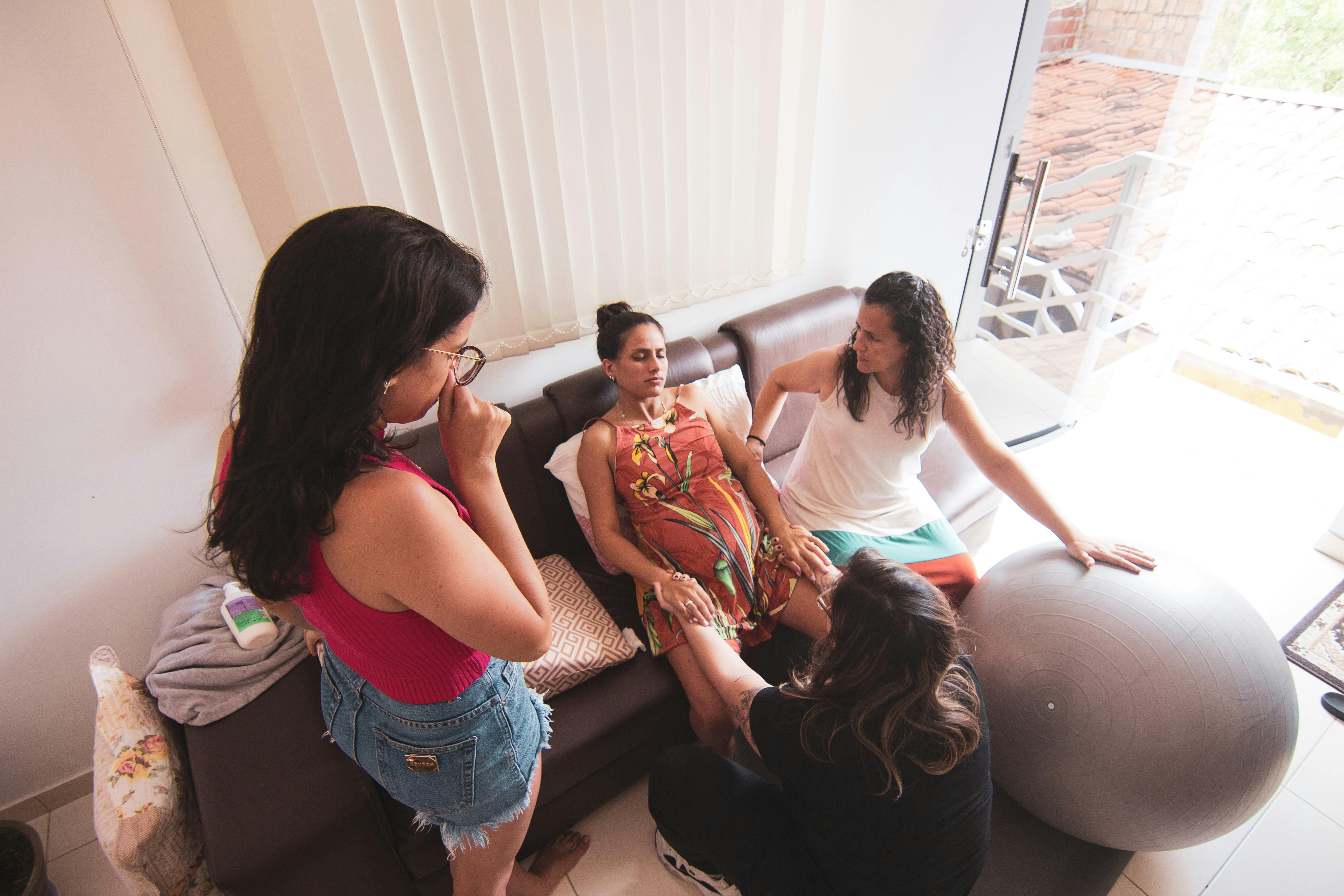
What Does a Postpartum Doula Do? Guide to Fourth Trimester Support
Learn what a postpartum doula does to support your recovery. Discover postpartum doula services, clinical care, and why a residential sanctuary offers a superior alternative.
The transition into the fourth trimester is one of the most profound shifts a woman will ever experience. While the focus of pregnancy is often on the birth itself, the weeks following delivery—the postpartum period—require a different, more specialized kind of care. This is where a postpartum doula becomes an invaluable asset. Unlike a birth doula who assists during labor, a postpartum doula is dedicated to 'mothering the mother,' ensuring that the family unit transitions smoothly and healthily into its new dynamic. However, as modern families seek more comprehensive clinical and holistic support, many are looking beyond traditional hourly services toward immersive residential experiences that blend professional doula care with luxury sanctuary environments.
What is a Postpartum Doula?
A postpartum doula is a trained professional providing physical, emotional, and informational support to a new mother and her family after childbirth. Where a birth doula's role ends with the delivery room, the postpartum doula's work begins—stepping into the home during the vulnerable early weeks to support recovery, feeding, and the emotional processing of birth. The role is non-clinical by definition, but in practice, experienced doulas operate at the intersection of wellness and clinical awareness, recognizing warning signs, supporting lactation, and bridging the gap between obstetric discharge and the six-week postpartum checkup that often feels impossibly far away.
The Core Philosophy: Mothering the Mother
The foundational principle of postpartum doula work is simple and radical in its implication: the mother needs care, not just the baby. In most cultures and most households, the arrival of a newborn redirects all attention downward. A postpartum doula reverses that gravity. She ensures the mother eats, hydrates, rests, and processes the enormous physical and emotional event she has just undergone. This philosophy—sometimes called 'mothering the mother'—is rooted in cross-cultural postpartum traditions that have existed for millennia but have been largely erased in modern Western societies where new mothers are expected to resume normal life within days.
Evidence-Based Emotional Support
The emotional dimension of postpartum doula work is not merely comforting; it is clinically significant. Research consistently demonstrates that professional postpartum support reduces the incidence of postpartum mood disorders, including anxiety and depression. A skilled doula provides a non-judgmental space for the mother to process the birth experience, voice fears, and express the full range of emotions that accompany the hormonal upheaval of the fourth trimester. This is not therapy, but it is therapeutic—and for many women, it is the critical difference between surviving the early weeks and beginning to thrive.
The Difference Between a Doula and a Baby Nurse
A common point of confusion is the distinction between a postpartum doula and a baby nurse or night nanny. A baby nurse focuses primarily on infant care—feeding, settling, sleep schedules—so the mother can rest. A postpartum doula focuses on the mother and the family unit as a whole, with infant care as one component of a broader mandate that includes emotional support, breastfeeding guidance, sibling adjustment, household organization, and birth processing. The doula's lens is holistic; the baby nurse's lens is operational. Both are valuable, but they serve different needs, and understanding the distinction helps families build the right support team.
Supporting the Partner and Siblings
The postpartum transition affects the entire family, not just the mother. A postpartum doula supports partners who may feel overwhelmed, uncertain, or sidelined by the intensity of the mother-infant bond. She provides practical education—how to soothe a crying baby, how to support breastfeeding, how to recognize signs of postpartum distress in the mother—and helps partners find their footing in the new family dynamic. For older siblings, a doula can ease the adjustment, offering strategies for managing the inevitable jealousy and disruption that accompany a new arrival. This family-wide support is a dimension of care that narrow infant-focused services do not provide.
Essential Postpartum Doula Services
The scope of postpartum doula services is broad, designed to bridge the gap between hospital discharge and long-term home life. Rather than addressing a single need, a doula weaves together practical, emotional, and educational support into a cohesive safety net that adapts as the family's needs evolve through the early weeks.
Infant Care Education and Soothing Techniques
One of the most immediate and practical functions of a postpartum doula is teaching newborn care. For first-time parents, the basics—swaddling, bathing, umbilical cord care, reading hunger cues—can feel overwhelming in the haze of sleep deprivation. A doula provides hands-on, real-time education, building the parents' confidence through demonstration and guided practice. She also brings a repertoire of soothing techniques drawn from experience and training: rhythmic shushing, side-lying holds, gentle motion, and the nuanced reading of infant cues that distinguishes a hungry cry from an overstimulated cry. This education is not theoretical; it happens in the moment, with the actual baby, during the actual challenges.
Light Household Organization and Nutrition
A postpartum doula typically assists with light household tasks that directly support the mother's recovery—preparing nourishing meals, organizing the nursery, managing laundry, and ensuring the home environment is calm and functional. This is not housekeeping in the conventional sense; it is environmental support designed to reduce the cognitive and physical load on the recovering mother. Nutrition is a particular focus, as the postpartum body requires specific nutritional support for tissue repair, lactation, and hormonal recalibration. Many doulas are trained in postpartum nutrition and can prepare or guide the preparation of meals that serve the specific demands of the fourth trimester.
Processing the Birth Experience
The birth story is a powerful psychological artifact, and the way a mother processes it shapes her transition into motherhood. A postpartum doula creates space for this processing—listening without judgment, validating the emotional complexity of the experience, and helping the mother integrate the narrative of her birth into her evolving identity as a mother. For women who have had traumatic or unexpected birth experiences, this processing is particularly critical, and a skilled doula can identify when professional psychological support is warranted and provide appropriate referrals. This emotional midwifery is one of the most undervalued dimensions of postpartum care.
Establishishing Healthy Sleep Foundations
Sleep is the most common preoccupation of new parents, and a postpartum doula brings both practical strategies and evidence-based perspective. Rather than imposing a rigid sleep training protocol—which is inappropriate in the early weeks—a doula helps the family understand newborn sleep biology, establish realistic expectations, and create sleep-supportive routines that work within the family's values. She may assist with night feeds, demonstrate safe sleep practices, and help the mother protect her own sleep windows. The goal is not sleep training but sleep foundation—building the conditions under which healthy sleep patterns can eventually emerge.
Clinical Support: Lactation and Physical Recovery
Professional doulas often provide specialized assistance that borders on clinical care, particularly regarding the mother's physical healing and breastfeeding journey. While doulas do not replace medical practitioners, their frequent, extended presence in the home allows them to monitor recovery in ways that brief clinical appointments cannot.
Breastfeeding and Lactation Troubleshooting
Breastfeeding is the most common source of distress in the early postpartum period, and a doula trained in lactation support is often the first line of assistance. She can assess latch, suggest positioning adjustments, identify early signs of engorgement or mastitis, and help the mother establish a feeding rhythm that supports both supply and comfort. For more complex issues—tongue tie, supply concerns, painful nursing—a doula can recognize when escalation to an IBCLC or medical provider is necessary and facilitate that referral. This bridge between everyday support and clinical expertise is one of the most valuable functions of an experienced postpartum doula.
Monitoring Physical Healing and Warning Signs
A postpartum doula is trained to recognize the warning signs of complications—infection, hemorrhage, deep vein thrombosis, postpartum preeclampsia—that may arise in the days and weeks after discharge. Her regular presence allows for ongoing observation that a single six-week checkup cannot provide. She can assess lochia patterns, incision healing, and overall recovery trajectory, alerting the mother to any changes that warrant medical attention. This monitoring function is particularly valuable for women without a strong local support network or those recovering from complicated deliveries.
Pelvic Floor Awareness and Rehabilitation Basics
While specialist pelvic floor physiotherapy is the gold standard for postpartum rehabilitation, a doula can provide foundational education about pelvic floor health—basic awareness exercises, guidance on safe return to movement, and information about diastasis recti and when to seek specialist care. She can help the mother understand that leaking, pain, or pressure are not 'normal' postpartum experiences to be silently endured but symptoms that warrant clinical attention. This education is a critical early intervention that prevents the normalization of dysfunction that affects so many women long after the postpartum period.
Hormonal Balancing and Postpartum Wellness
The hormonal landscape of the fourth trimester is volatile—estrogen and progesterone plummet, prolactin and oxytocin surge, and the thyroid recalibrates. A postpartum doula helps the mother understand this hormonal context, normalizing the emotional and physical experiences it produces and identifying when symptoms may indicate a thyroid imbalance or other endocrine concern. She also supports practices that promote hormonal wellbeing—nourishing food, gentle movement, sleep protection, and stress reduction—creating an environment that supports the body's natural recalibration rather than disrupting it.
Postpartum Doula vs Postpartum Retreat: A Comparative Look
While a visiting doula provides exceptional home-based support, a residential postpartum retreat offers an immersive, 24/7 care environment that home care cannot always replicate. For families weighing these options, understanding the structural differences—not just in services but in the very environment of recovery—is essential.
The Limitation of Hourly Home Care
Hourly doula support, however skilled, operates within inherent constraints. The doula arrives and departs, leaving gaps in coverage—particularly overnight, when feeding and settling challenges are most acute. The home environment itself may not be optimized for recovery: household responsibilities do not pause, older siblings require attention, and the mental load of managing the household persists even when a doula is present. For families without extended family support, or for international families without an established local infrastructure, the gaps in hourly care can become significant stress points that undermine the recovery the doula is there to support.
The Benefits of a Controlled Healing Environment
A residential postpartum retreat removes the mother from the demands of her home environment and places her in a space designed exclusively for recovery. Every element—the physical space, the daily schedule, the nutritional program, the sensory environment—is engineered to support healing. There is no laundry to manage, no meals to plan, no visitors to manage, no household decisions to make. The cognitive load of domestic life, which persists even with a doula in the home, is entirely removed. This environmental control is not a luxury; it is a clinical intervention that allows the nervous system to settle into the parasympathetic state where genuine healing occurs.
Access to a Multi-Disciplinary Care Team
A postpartum doula is one professional. A residential retreat like Amarta Nurtura provides a coordinated, multi-disciplinary team—midwives, IBCLC lactation consultants, specialist pelvic floor physiotherapists, clinical nutritionists, psychological practitioners, and traditional Balinese healers—working within a single integrated protocol. This team shares information, adjusts the recovery plan in real time, and ensures that every dimension of the mother's recovery is addressed by a specialist in that specific area. The depth and coordination of this team-based approach is structurally impossible to replicate in a home setting with individual providers operating independently.
Removing the 'Mental Load' of Household Management
Perhaps the most significant difference between a doula and a residential retreat is the complete removal of the mental load of household management. Even with a doula present, the mother remains the default manager of her household—aware of what needs doing, directing care, making decisions. In a residential retreat, that responsibility is entirely transferred to the care team. Meals are prepared, the environment is maintained, the baby is cared for, and the mother's only task is her own recovery. This total release of the mental load is, for many women, the single most restorative element of the residential experience—and it is something no amount of hourly doula care can fully achieve.
The Amarta Method: Elevating Postpartum Care in Bali
Amarta Nurtura redefines the role of the postpartum doula by integrating professional clinical support with ancient Balinese healing traditions in the heart of Ubud. The Amarta Method does not replace the doula; it evolves her function into a comprehensive, team-based, residential model that addresses the limitations of hourly home care while preserving its core philosophy of mothering the mother.
Clinical Excellence Meets Balinese Rituals
The Amarta Method synthesizes Western clinical standards with traditional Balinese healing practices. Midwifery supervision, pelvic floor physiotherapy, and lactation consulting operate alongside Jamu herbal medicine, Boreh warming body wraps, traditional postpartum massage, and Bengkung belly binding. Each traditional practice is screened through a clinical lens to ensure it supports the specific stage of recovery. This integration creates a recovery experience that is both medically rigorous and culturally rich—a dimension of care that neither a standard clinical facility nor a traditional healing practice alone can provide.
The Amarta Method: A Holistic Recovery Framework
The Amarta Method is structured around five interconnected pillars: clinical recovery, nutritional support, physical rehabilitation, emotional wellbeing, and traditional healing. Each pillar is addressed by a specialist in that discipline, and the pillars are coordinated through a single, personalized recovery protocol that is adjusted throughout the stay. This framework ensures that no dimension of recovery is overlooked and that the mother's experience is coherent rather than fragmented. The doula's holistic philosophy—caring for the whole mother—is preserved and elevated through this structured, multi-disciplinary approach.
Luxury Villa Living for the Modern Family
Recovery takes place within private luxury villas that provide the aesthetic and sensory environment of a five-star resort. The villa becomes the family's private sanctuary—spacious, serene, and fully equipped for both clinical care and comfortable living. Partners and siblings are accommodated, ensuring the family remains together while the mother receives intensive support. This setting dissolves the false choice between clinical care and luxury comfort, providing both within a single, integrated experience that reflects the expectations of the modern affluent family.
Customized Nutrition and Herbal Jamu Therapy
Nutrition at Amarta Nurtura is not an afterthought but a clinical intervention. Our clinical nutritionist designs personalized meal plans that support tissue repair, lactation, hormonal balance, and digestive recovery, using locally sourced, nutrient-dense ingredients. Traditional Jamu herbal preparations are integrated into the nutritional protocol, providing targeted herbal support for postpartum recovery—anti-inflammatory blends, galactagogue tonics, and calming preparations. Each formulation is reviewed for safety and efficacy, ensuring that traditional wisdom serves clinical goals without compromise.
When to Book Your Postpartum Support
Timing is critical when securing high-level postpartum care, as the most qualified professionals and sanctuaries often have limited availability. Understanding the booking timeline helps families secure the right support before the need becomes urgent.
The Ideal Time to Hire a Doula During Pregnancy
For a traditional postpartum doula, the ideal time to begin the search is during the second trimester. This allows ample time to interview candidates, assess fit, and build a relationship before the baby arrives. For a residential retreat like Amarta Nurtura, we recommend booking during pregnancy to secure preferred dates and allow for pre-arrival clinical consultation. Early booking also enables our team to coordinate with your obstetric provider, review your birth plan, and design a personalized recovery protocol before your arrival—ensuring the experience is fully tailored to your specific needs from the moment you enter the sanctuary.
Transitioning from a Babymoon to Postpartum Care
Many families begin their journey with Amarta Nurtura through our babymoon retreat program during the second trimester, then return for postpartum care after the birth. This continuity allows our team to understand the mother's health history, preferences, and recovery goals before the postpartum stay begins. The transition from babymoon to postpartum care is seamless—the team that supported you during pregnancy is the same team that supports your recovery, creating a depth of clinical and personal understanding that cold-arrival care cannot match. This continuum of care is one of the most powerful advantages of the Amarta model.
Evaluating Your Recovery Needs Pre-Birth
During pregnancy, it is difficult to predict exactly what your postpartum recovery will require. A straightforward vaginal delivery, a planned cesarean, and an unexpected emergency delivery each create different recovery trajectories. This uncertainty is itself an argument for residential care: a retreat like Amarta Nurtura can adapt to your actual recovery needs in real time, deploying the appropriate level of clinical support as your situation evolves. A pre-arranged doula, by contrast, operates within the scope of her individual practice and may not be able to flex to meet unexpected complications. Planning for the possibility of a more complex recovery is not pessimism; it is prudence.
Securing Your Sanctuary Experience
To secure your postpartum stay at Amarta Nurtura, we recommend initiating the booking conversation during your second trimester. Our team will conduct a pre-arrival consultation, review your medical history, and work with you to design a personalized recovery protocol. A deposit secures your dates, and the full clinical team is briefed on your case before your arrival. This pre-arrival preparation ensures that from the moment you enter the sanctuary, every element of your care is already in place—no intake forms, no orientation, no delay between arrival and the beginning of your recovery. Contact us to begin this conversation.
Conclusion
Investing in professional support during the fourth trimester is not a luxury; it is a fundamental pillar of long-term maternal health. Whether you choose the personalized touch of a visiting postpartum doula or the comprehensive, clinical luxury of a residential sanctuary like Amarta Nurtura, the goal remains the same: a supported, nurtured, and empowered transition into motherhood. By prioritizing your recovery through the Amarta Method, you ensure that your body, mind, and spirit are fully restored, allowing you to show up fully for your new arrival and your family. In the serene landscape of Ubud, Bali, the traditional doula model is elevated into a transformative healing journey.
Explore our professional postpartum retreat programs, book a discovery call to learn how the Amarta Method supports your recovery, or view our luxury sanctuary villas and clinical support facilities.
Frequently Asked Questions
What is the main difference between a midwife and a postpartum doula?
A midwife is a licensed medical professional responsible for clinical care during pregnancy, birth, and the immediate postpartum period. She performs clinical assessments, manages complications, and provides medical interventions. A postpartum doula is a non-clinical support professional who provides practical, emotional, and educational support after the baby arrives. The midwife addresses medical needs; the doula addresses the holistic recovery experience. At Amarta Nurtura, both roles are integrated within a single coordinated team, ensuring clinical oversight and nurturing support operate together rather than in parallel.
How long does postpartum doula support typically last?
Traditional postpartum doula support typically ranges from the first two to twelve weeks after birth, depending on the family's needs and the doula's availability. Some families engage a doula for a few visits, while others arrange ongoing daily or overnight support for several weeks. At Amarta Nurtura, our residential postpartum stays are typically structured as 14-to-30-day programs, allowing for a complete, intensive recovery arc within the sanctuary. The duration is determined by the mother's clinical needs, recovery goals, and personal preferences, and can be extended as needed.
Can a postpartum doula help if I had a C-section?
Yes. A postpartum doula is trained to support recovery from both vaginal and cesarean deliveries. For C-section mothers, this includes incision care education, guidance on safe movement and lifting restrictions, support with positioning for breastfeeding that protects the incision site, and monitoring for signs of infection. At Amarta Nurtura, cesarean recovery is managed with an elevated level of clinical oversight—specialist wound care, adapted physiotherapy protocols, and tailored nutritional support for surgical recovery—integrated within the doula philosophy of holistic, mother-centered care.
Is a residential postpartum retreat suitable for international families?
Absolutely. Amarta Nurtura is designed specifically for international families seeking a level of postpartum care that may not be available in their home country. Our team coordinates with your obstetric provider before arrival, manages all logistical details including airport transfers with infant car seats, and provides English-language care throughout your stay. Our villas accommodate partners and siblings, allowing the entire family to travel together. Many of our guests combine their postpartum stay with their babymoon, creating a single, continuous care relationship that spans the prenatal and postnatal chapters of their journey.
Ready to begin your restoration journey?
Experience the Amarta Method at our intimate boutique resort in Ubud, Bali.