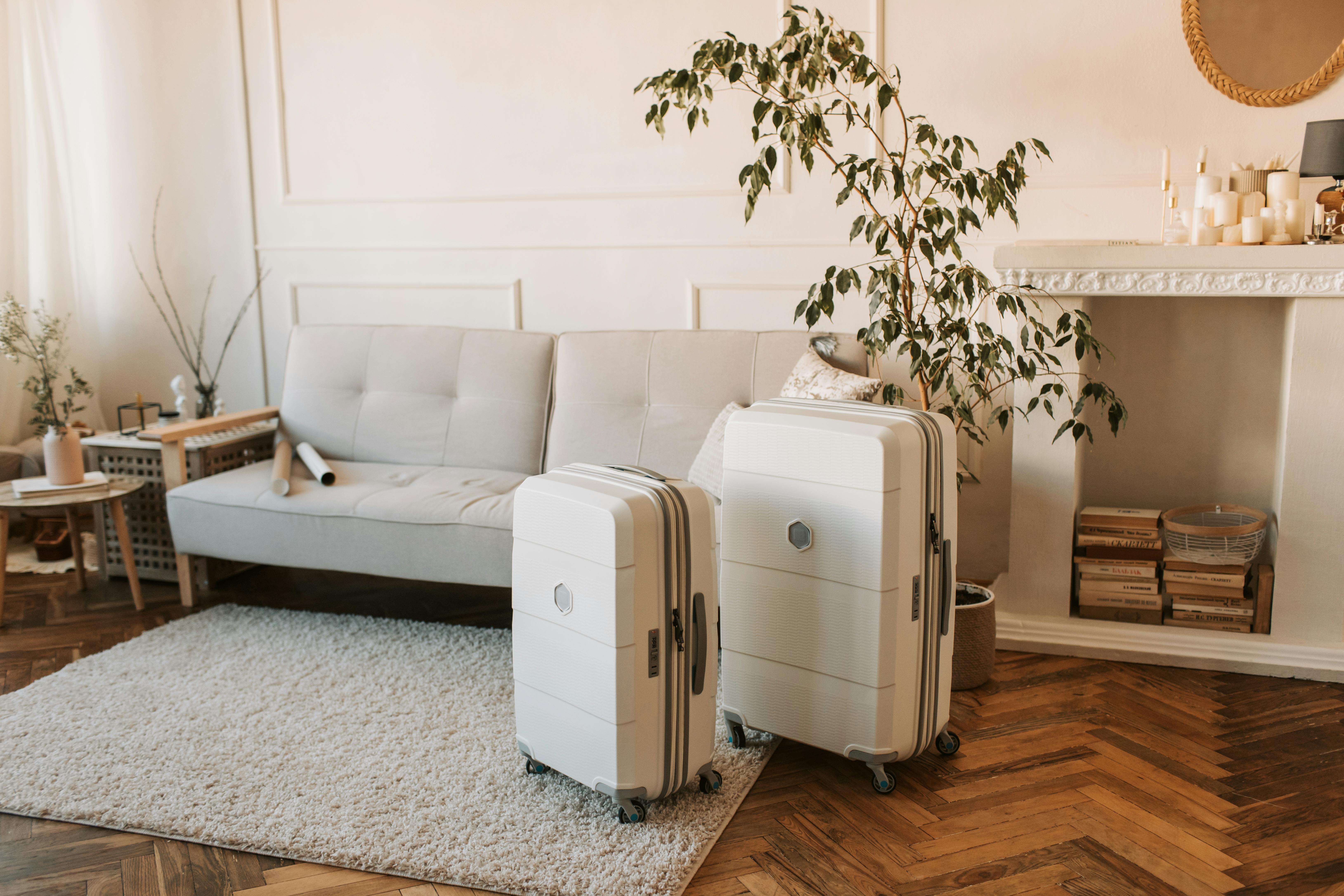
What to Pack for a Postpartum Retreat in Bali
Prepare for your transformative recovery at Amarta Nurtura. Discover the essential luxury packing list for a postpartum retreat in Ubud, from clinical recovery gear to tropical sanctuary wear.
The transition from the clinical environment of a hospital to the restorative embrace of a postpartum retreat is a pivotal moment in any mother's journey. When that retreat is situated in the spiritual heart of Ubud, the packing process requires a nuanced blend of medical-grade recovery essentials and high-end sanctuary comfort. At Amarta Nurtura, we facilitate the 'Sacred Pause' through our proprietary Amarta Method—a holistic approach that integrates pelvic rehabilitation, clinical lactation support, and traditional Balinese healing. Preparing your suitcase for this experience is about more than just clothing; it is about curating tools that support your physical healing, hormonal stabilization, and the profound bonding experience with your newborn. This guide ensures you arrive at our sanctuary fully equipped for a seamless transition into your fourth trimester recovery.
Clinical Recovery and Pelvic Health Essentials
Physical restoration is the cornerstone of the Amarta Method. While our sanctuary provides comprehensive clinical support—including pelvic floor physiotherapy, postnatal assessments, and specialist consultations—bringing specialized garments tailored to your body's specific post-delivery needs ensures continuous comfort during your rehabilitation sessions and throughout daily life within the sanctuary.
Medical-Grade Compression Wear
Abdominal compression garments are among the most frequently recommended items by our postnatal physiotherapists for early postpartum recovery. For mothers who have delivered vaginally, a high-quality postpartum compression wrap provides gentle support to the abdominal wall as the uterus involutes and the separated rectus abdominis muscles begin their gradual realignment. For caesarean mothers, medical-grade abdominal binders designed specifically for post-surgical recovery protect the incision site, reduce swelling, and provide the proprioceptive feedback that helps the body recalibrate its core stability patterns. We recommend bringing two to three compression garments to allow for rotation during laundering. Look for breathable, moisture-wicking fabrics—Ubud's tropical humidity means that synthetic compression fabrics can become uncomfortable quickly. Brands that use bamboo-blend or organic cotton panels with targeted compression zones offer the best combination of clinical support and tropical comfort. Our physiotherapy team will assess your compression needs upon arrival and advise on optimal wear duration and fit, but having your own well-fitted garments from the outset ensures seamless support from your first day at the sanctuary.
Pelvic Floor Support Undergarments
The pelvic floor undergoes significant stress during both vaginal and caesarean delivery, and the undergarments you choose during the early postpartum weeks can either support or hinder the rehabilitation process. High-waisted, soft-banded underwear that sits above the caesarean incision line (for surgical mothers) or provides gentle perineal support (for vaginal delivery mothers) is essential. Pack six to eight pairs of dedicated postpartum underwear in breathable natural fabrics—organic cotton or bamboo blends are ideal for Ubud's climate. Avoid underwear with tight elastic bands that sit across the lower abdomen, as these can interfere with uterine involution and create pressure on healing tissues. Several specialty postpartum underwear brands now offer designs with built-in perineal ice pack pockets, which can be useful in the first days of recovery. Our pelvic floor physiotherapist may also recommend specific support garments based on your individual assessment, so bringing a range of options gives you flexibility to adapt as your recovery progresses.
Post-Surgical Healing Layers for C-Section Recovery
Caesarean mothers face the unique challenge of recovering from major abdominal surgery while simultaneously caring for a newborn—and the clothing choices made during this period directly affect comfort, healing, and the ability to participate fully in the sanctuary's recovery program. Pack soft, high-waisted pants and skirts that sit well above the incision line—drawstring linen pants, wrap skirts, and palazzo-style trousers in natural fabrics are ideal. Avoid any waistband that creates pressure or friction across the surgical site. Loose, front-opening tops that allow for easy breastfeeding access without requiring the mother to raise her arms overhead (a movement that engages the abdominal wall and can be painful in the early post-surgical weeks) are essential. Consider packing a soft, medical-grade silicone scar treatment strip or sheet—our clinical team can advise on the optimal timing to begin scar management, and having your preferred product available means treatment can commence as soon as it is clinically appropriate.
Lactation Support in a Tropical Climate
The humidity and warmth of Ubud require a strategic approach to breastfeeding comfort and lactation management. Ubud's average daytime temperature of 28 to 30 degrees Celsius, combined with humidity levels that routinely exceed 80 percent, means that the skin-to-skin contact involved in breastfeeding can become uncomfortably warm and moist—creating conditions that predispose to nipple irritation, fungal skin infections, and general discomfort that can undermine the feeding experience. Our International Board Certified Lactation Consultants provide comprehensive feeding support throughout your stay, but arriving with the right personal supplies ensures comfort from your very first feeding session at the sanctuary.
Natural Fiber Nursing Intimates
Invest in four to six high-quality nursing bras constructed from organic cotton, bamboo, or merino wool blends—fabrics that wick moisture away from the skin while allowing air circulation. Avoid underwired bras entirely during the early postpartum weeks, as the compression can impede lymphatic drainage and increase the risk of blocked ducts and mastitis. Look for designs with drop-cup or cross-body access that allow one-handed opening—ease of access matters enormously when you are learning to latch a newborn while managing positioning pillows and your own comfort. Nursing tank tops with built-in shelf bras offer excellent versatility in Ubud's climate—they function as standalone garments in the privacy of your villa and as layering pieces under loose linen shirts for movement around the sanctuary. Pack nursing pads—reusable bamboo or organic cotton pads are more comfortable and environmentally appropriate than disposable alternatives, and they dry quickly in the tropical air.
Organic Nipple Care and Soothing Balms
Nipple soreness and trauma are among the most common breastfeeding challenges in the early postpartum period, and having your preferred nipple care products immediately available prevents the distress of managing discomfort without relief while waiting for supplies. Pack a medical-grade lanolin or organic nipple balm—products that are safe for the infant to ingest and do not need to be removed before feeding. Consider also packing hydrogel cooling pads, which provide immediate soothing relief for sore or cracked nipples and can be refrigerated in your villa's minibar for enhanced comfort. Our lactation consultants may recommend specific products based on your individual presentation, but having a baseline supply ensures you are prepared from the first feed. Silver nursing cups—small, antibacterial silver shields that sit over the nipple between feeds—are increasingly recommended by lactation specialists for their healing and protective properties, and they pack easily.
Hydration Accessories for the Ubud Heat
Adequate hydration is critical for milk production and for the general recovery of the postpartum body, and Ubud's tropical climate significantly increases fluid requirements beyond what most mothers are accustomed to. Pack a large-capacity insulated water bottle—one litre minimum—that keeps water cool throughout the day. A bottle with a one-handed flip-top or straw mechanism is invaluable when you are holding or feeding a baby. Consider also packing electrolyte supplements or sachets designed for breastfeeding mothers—the combination of tropical heat and lactation demands can deplete electrolytes faster than water alone can replenish them. Our nutrition team provides tailored hydration support including fresh coconut water, herbal infusions, and Jamu preparations, but having your personal hydration accessories ensures continuous access whether you are in your villa, the activity space, or the sanctuary gardens.
The Sanctuary Wardrobe: Ubud Luxury Aesthetics
Life within our villas and activity spaces is defined by ease and elegance. The Amarta Nurtura aesthetic is one of understated luxury—natural materials, soft tones, fluid silhouettes—and your wardrobe should reflect this serenity while remaining functional for Balinese healing rituals, gentle movement sessions, and the daily rhythms of newborn care.
Breathable Linen and Silk Loungewear
The cornerstone of your sanctuary wardrobe should be a curated collection of loose, breathable loungewear in natural fabrics. Linen—the ultimate tropical fabric—is cooling, moisture-absorbent, and becomes softer with each wear. Pack three to four sets of linen loungewear: wide-leg pants paired with relaxed button-front tops, kaftan-style dresses that accommodate the postpartum body with grace, or simple wrap dresses that allow easy nursing access while looking effortlessly elegant. Silk or silk-blend pieces offer a touch of luxury for evenings—a silk robe for the golden hour before sunset, a silk camisole layered under a linen shirt for the cooler highland evenings. Choose colours that reflect the sanctuary palette: soft whites, warm sands, muted sage, and gentle blush tones. Avoid black and dark colours, which absorb heat and can feel oppressive in the tropical environment. The goal is a wardrobe that requires zero thought—every piece should be interchangeable, comfortable, and beautiful enough that you feel cared for simply by getting dressed.
Traditional Modest Attire for Sacred Rituals
Several of the traditional Balinese healing rituals integrated into the Amarta Method—including the melukat water purification ceremony and visits to sacred temple springs—require modest attire as a mark of cultural respect. Pack a sarong (or plan to acquire one locally—the quality of Balinese handwoven sarongs is exceptional) and a simple top that covers the shoulders and upper arms. White or light-coloured clothing is traditional for water purification ceremonies and aligns with the spiritual intention of the ritual. Our team will provide specific guidance before each ceremony, and we maintain a small collection of ceremonial sarongs for guest use, but many mothers find that having their own dedicated ceremonial garment adds personal significance to the experience. A lightweight, long-sleeved cover-up is also useful for temple visits and for the cooler mornings that characterize Ubud's highland climate.
Ergonomic Footwear for Resort Pathways
The Amarta Nurtura sanctuary is set within landscaped tropical gardens with stone pathways, wooden walkways, and natural terrain. Footwear should be comfortable, stable, and easy to slip on and off—Balinese custom involves removing shoes before entering buildings. Pack a pair of high-quality, supportive sandals with contoured footbeds for daily wear around the sanctuary. Avoid flat, unsupported flip-flops—the postpartum body is still under the influence of relaxin, the hormone that loosens ligaments during pregnancy, and unsupported footwear can exacerbate joint instability and contribute to foot and knee pain. A pair of soft, washable slippers for villa interiors and a pair of lightweight walking shoes for any excursions beyond the sanctuary complete the footwear wardrobe. If you plan to participate in the gentle movement sessions in our activity space, pack a pair of non-slip yoga socks or lightweight indoor training shoes.
Partner Integration and Shared Recovery
Amarta Nurtura emphasizes the importance of the partner's role in the postpartum ecosystem. The fourth trimester is a family experience, and ensuring your partner arrives equally prepared facilitates a more cohesive bonding experience within the sanctuary.
Partner Attire for Guided Support Sessions
Partners participate actively in the Amarta Method—from hands-on infant care education to couple wellness sessions in the activity space to shared Balinese healing experiences. Pack comfortable activewear for movement sessions (breathable shorts and moisture-wicking tops), relaxed linen or cotton casualwear for daily sanctuary life, and one set of modest ceremonial attire for Balinese rituals (a sarong and collared shirt). Partners should also bring swimwear for the villa's private pool and any hydrotherapy sessions. The same footwear principles apply: supportive sandals for pathways, slippers for interiors, and activity shoes for the wellness studio.
Personal Wellness Items for the Non-Birthing Parent
The transition to parenthood is physically and emotionally demanding for the non-birthing parent as well, and the sanctuary stay provides an opportunity for the partner to invest in their own resilience. Encourage your partner to pack personal wellness items: a favourite book, a meditation app downloaded for offline use, comfortable sleepwear for the interrupted nights ahead, and any personal supplements or wellness products they rely on. Our wellness team provides support for partners as well as mothers, but personal comfort items help ground the experience and provide continuity with home routines.
Shared Journaling Tools for the Fourth Trimester
The fourth trimester is a period of profound transformation that passes with remarkable speed, and many families find that the act of documenting the experience—thoughts, milestones, reflections, even the mundane details of daily life with a newborn—becomes one of the most treasured outcomes of their sanctuary stay. Pack a beautiful journal dedicated to this period. Some couples choose a shared journal in which both partners write; others prefer individual journals that they may choose to exchange later. A simple pen that writes smoothly and a few photographs from the birth or early days (printed or on a device) can serve as prompts for reflection. Our practitioners may incorporate journaling into certain therapeutic sessions, and having a dedicated journal ready means these reflections have a permanent home.
Newborn Essentials for the Balinese Environment
While our sanctuary provides a curated selection of infant necessities—including organic cotton bedding, bathing supplies, and basic clothing—certain personal items can help your baby acclimate to the tropical environment and ensure continuity of familiar textures and scents.
Lightweight Organic Cotton Swaddles
Swaddling is a cornerstone of newborn settling, and the right swaddle fabric is critical in Ubud's tropical climate. Pack four to six lightweight muslin or organic cotton swaddles—these versatile cloths serve as swaddles, nursing covers, light blankets, pram covers, and burp cloths. Avoid heavyweight fleece or flannel swaddles, which are too warm for the tropical environment and can contribute to overheating. Single-layer muslin in a large format (120 x 120 cm) offers the most versatility. If your baby has been swaddled in a particular brand or style at home or in the hospital, bring that same product—familiar texture and scent support infant settling in a new environment. Our infant care specialists are experienced in multiple swaddling techniques and can advise on the most appropriate approach for your baby's age, size, and preferences.
Hypoallergenic Infant Skincare for Humidity
Newborn skin is exquisitely sensitive, and the transition to a tropical humid environment can provoke responses—heat rash, cradle cap, and general skin sensitivity—that require gentle, appropriate skincare. Pack your baby's established skincare products: a gentle, fragrance-free cleanser, a barrier cream for nappy areas, and a lightweight, hypoallergenic moisturiser. If your baby has not yet established a skincare routine, opt for products with minimal ingredients—pure coconut oil (widely available in Bali and traditionally used in Balinese infant care) is an excellent, multifunctional option. Pack a baby-safe mineral sunscreen for any outdoor time, even in the filtered light of the sanctuary gardens—equatorial UV intensity is significantly higher than at temperate latitudes, and newborn skin has virtually no melanin protection. A fine-mesh insect net for the bassinet provides additional protection during the dusk and dawn periods when mosquito activity peaks.
Sensory Items for Villa Bonding
The sensory environment of the early postpartum weeks significantly influences infant settling and maternal-infant bonding. Bring one or two items from home that carry familiar scent: a small soft toy that has been in the mother's bed, a cloth that has been worn against the mother's skin, or a receiving blanket used in the hospital. These scent-laden items provide olfactory continuity for the infant during the transition to the new environment. A small, portable white noise machine or app (downloaded for offline use) can help recreate the auditory environment that the baby associates with sleep. Our villas provide a natural soundscape of tropical birdsong, flowing water, and gentle wind through the garden canopy—many families find that this becomes their baby's preferred sleep backdrop, a gift that Ubud provides effortlessly.
Documenting the Sacred Pause
The fourth trimester is a fleeting, transformative period. Packing the right tools for reflection, documentation, and administrative ease allows you to remain fully present in the healing process without being caught off guard by practical necessities.
The Amarta Method Reflection Journal
Beyond personal journaling, consider packing or purchasing a structured reflection journal designed for the postpartum period—one that includes prompts for tracking feeding patterns, sleep observations, mood and energy levels, physical recovery milestones, and the small, unrepeatable moments of early parenthood. Several excellent postpartum-specific journals are available that provide structure without prescription, guiding reflection while leaving space for the unexpected. Our practitioners may provide specific tracking tools during your stay—feeding logs, sleep diaries, pelvic floor exercise records—and having a central journal in which to collate these clinical records alongside personal reflections creates a comprehensive document of your fourth trimester journey that serves both practical and sentimental purposes.
Medical Records and Pediatric Documentation
Bring copies of all relevant medical records: your birth summary or discharge report, any specialist letters or referrals, your baby's newborn screening results and immunisation records, and a list of any medications (maternal or infant) currently prescribed. If you have had antenatal imaging or investigations that are relevant to your postpartum care—pelvic floor ultrasound, physiotherapy assessments, mental health treatment plans—bring copies of these as well. Our clinical team will conduct comprehensive assessments upon arrival, but having your medical history available ensures continuity of care and allows our specialists to build upon the work already done by your existing healthcare providers. Store these documents in a waterproof folder—Ubud's humidity can damage unprotected paper—and consider also having digital copies accessible on your phone or tablet.
Tech Essentials for Mindful Connection
Technology during the fourth trimester requires intentional boundaries. Pack a quality camera or ensure your phone's camera is ready for the moments you want to preserve—the first bath in the villa, the morning light through the garden, the quiet moments of feeding and bonding. A portable charger ensures you are never caught with a dead battery at a precious moment. Download any apps you rely on for offline use—meditation apps, white noise generators, lactation tracking tools, music or podcast libraries—as wifi, while available throughout the sanctuary, may not always be your preferred way to access content. Consider also packing a small Bluetooth speaker for creating ambient sound environments in your villa—the ability to play gentle music during feeding sessions, bath time, or evening wind-down adds a sensory dimension to the bonding experience.
Conclusion
Packing for your stay at Amarta Nurtura is the first step in reclaiming your autonomy and honoring your body's need for a sacred pause. By balancing clinical necessities with the luxurious comforts of our Ubud sanctuary, you set the stage for a recovery that is as profound as it is peaceful. Our team is dedicated to ensuring that every aspect of your stay—from pelvic floor rehabilitation to Balinese healing rituals—is supported by the items you bring and the environment we provide. We look forward to welcoming you to the lush hills of Bali, where your journey into motherhood is met with expert clinical care and unparalleled serenity.
Explore our specialized recovery programs. Learn more about the Amarta Method of healing. View our luxury villa accommodations in Ubud. Contact our care coordinators to plan your fourth trimester sanctuary stay.
Frequently Asked Questions
What clinical supplies does Amarta Nurtura provide on-site?
Our sanctuary provides a comprehensive range of clinical supplies and equipment to support your recovery program. This includes pelvic floor rehabilitation equipment used during physiotherapy sessions, clinical-grade breast pumps available for loan during your stay, infant weighing scales for pre- and post-feed assessments, and a fully equipped treatment room for clinical consultations. Basic postpartum supplies—maternity pads, perineal care products, and infant bathing essentials—are provided as standard. Our clinical team will advise during your pre-arrival consultation if there are any specialized items specific to your individual needs that we recommend you bring. We maintain a pharmacy-grade supply of common postpartum comfort products, but we encourage mothers to bring their own preferred brands of intimate care products for personal comfort and familiarity.
Do I need to bring specialized clothing for Balinese healing ceremonies?
While we maintain a selection of ceremonial sarongs for guest use, we recommend bringing or acquiring your own sarong and a modest, light-coloured top that covers the shoulders for ceremonies such as the melukat water purification ritual. White or cream clothing is traditional for water ceremonies and holds spiritual significance in Balinese Hindu practice. Our wellness team provides detailed guidance before each ceremony, including specific attire recommendations and cultural protocols. The clothing need not be elaborate—simplicity and modesty are valued, and the natural fabrics and soft colours recommended for your general sanctuary wardrobe will serve most ceremonial purposes beautifully.
Is the Ubud climate suitable for newborns in the fourth trimester?
Ubud's highland tropical climate—with consistent temperatures between 24 and 30 degrees Celsius and high humidity—is well suited to newborns, who thrive in warm environments that approximate the thermal conditions of the womb. The key considerations are sun protection (newborn skin is highly sensitive to UV radiation, even in indirect light), adequate hydration for the breastfeeding mother to maintain milk supply in the heat, and appropriate lightweight clothing and bedding for the infant. Our villas are designed to maintain comfortable temperatures through natural ventilation and ceiling fans, with air conditioning available for the sleeping areas. The equatorial light-dark cycle—approximately twelve hours each—supports healthy circadian rhythm development in the newborn. Our infant care specialists provide specific guidance on managing your baby's comfort in the tropical environment, including clothing recommendations, bathing routines, and sleep environment optimization.
What should my partner pack for their role in the retreat?
Partners should pack comfortable activewear for wellness and movement sessions in our activity space, relaxed linen or cotton casualwear for daily life within the sanctuary, swimwear for the private villa pool, supportive sandals and villa slippers, and one set of modest ceremonial attire (a sarong and collared shirt) for Balinese healing rituals. Personal wellness items—a good book, meditation resources, comfortable sleepwear, and any preferred supplements—support the partner's own resilience during the transition to parenthood. We also recommend that partners bring a journal for reflection, a camera for documenting the experience, and an open, curious mindset for the hands-on parenting education and couple wellness sessions that form a central part of the Amarta Method.
Ready to begin your restoration journey?
Experience the Amarta Method at our intimate boutique resort in Ubud, Bali.