Postpartum Nutrition & Lactation Support: Luxury Recovery in Bali
Recovery after birth is a sophisticated physiological process — not simply a matter of rest. Discover how the Amarta Method integrates evidence-based nutrition, professional lactation support, and Balinese healing to nourish the fourth trimester from the inside out.
The transition into motherhood is a period of profound physiological and emotional recalibration. Beyond the immediate joy of birth lies what Balinese tradition calls the 'Sacred Pause' — the critical window where the body requires meticulous, intentional replenishment to meet the demands of lactation, tissue repair, and hormonal rebalancing simultaneously.
At Amarta Nurtura in Ubud, we move well beyond generic wellness advice. By weaving ancient Balinese jamu traditions and warming ritual with modern, evidence-based nutritional support and professional lactation care, we ensure that the fourth trimester becomes not a period of depletion and exhaustion, but one of deep, structured vitality. Recovery here is not left to chance; it is a curated process, held within the sanctuary of our Bali retreat.
The Foundations of Postpartum Replenishment
True recovery begins at the cellular level. Pregnancy and childbirth impose a significant nutritional debt on the maternal body — one that standard postnatal care rarely addresses with the precision it deserves. Our approach prioritises bioavailable nutrients that support hormonal regulation, connective tissue synthesis, and the energy demands of early motherhood.
Micronutrient Loading for Postnatal Depletion
Postnatal depletion — the sustained fatigue, cognitive fog, emotional fragility, and hair loss experienced by many mothers — is in large part a micronutrient story. Iron, zinc, iodine, vitamin D, folate, and omega-3 fatty acids are all significantly drawn down during pregnancy and the demands of lactation. At Amarta Nurtura, each mother's nutritional status is assessed at intake, and a targeted supplementation and dietary protocol is established alongside the culinary programme to address identified deficits rather than applying a generic approach.
Amino Acids and Collagen for Tissue Repair
The pelvic floor, perineum, abdominal fascia, and — following caesarean delivery — the surgical wound all rely on collagen synthesis for structural repair. This process is highly sensitive to the availability of specific amino acids, particularly glycine, proline, and hydroxyproline, alongside adequate vitamin C. Slow-cooked broths, collagen-rich proteins, and fresh tropical fruit are woven naturally into every meal plan at Amarta Nurtura — delivering targeted support within a culinary experience that nourishes as much as it heals.
The Role of Healthy Fats in Neuro-Endocrine Balance
The postpartum hormonal landscape is as radical as any the body will experience. Oestrogen, progesterone, cortisol, oxytocin, and prolactin are all in dynamic flux, and their stability depends substantially on dietary fat quality. Omega-3 fatty acids — particularly DHA — are essential for both maternal neurological recovery and infant brain development via breast milk. Our culinary team incorporates cold-water fish, quality coconut, avocado, and sesame throughout the daily meal architecture, supporting the neuro-endocrine recalibration that underlies mood stability, energy, and resilience.
The Amarta Method: Where Science Meets Balinese Tradition
The Amarta Method honours the classical Balinese understanding that the body post-birth exists in a 'cold' state — depleted of the warmth and vital energy expended in labour and delivery. This thermal and energetic framework, refined over generations of Balinese maternal care, maps compellingly onto contemporary physiology: circulation support, metabolic efficiency, and digestive function all benefit from the warming principles that underpin our culinary and ritual programme.
Traditional Jamu: Anti-Inflammatory Elixirs
Jamu — Indonesia's ancient herbal drink tradition — forms the internal cornerstone of our nutritional approach. Turmeric, ginger, galangal, black pepper, tamarind, and palm sugar are combined in formulations that deliver powerful anti-inflammatory, digestive, and uterine-toning effects. Each formulation at Amarta Nurtura is screened against current nursing guidelines and individualised to the mother's presentation: anti-inflammatory support for C-section recovery, galactagogue blends for lactation, or adaptogenic formulations for emotional steadiness. This is tradition, applied with precision.
Warming Spices and Digestive Fire
Digestive function is frequently compromised in the postpartum period — a consequence of hormonal shifts, reduced mobility, pain medications, and the profound nervous system reorganisation of new parenthood. Balinese culinary tradition addresses this directly through the generous use of warming digestive spices: ginger, lemongrass, cloves, cinnamon, and black pepper. These are not flavour agents alone; they are functional botanical medicines with documented effects on gut motility, microbial diversity, and the gut-brain axis — the system most implicated in postpartum mood and cognitive recovery.
Ritualised Dining as Nervous System Regulation
The act of eating is rarely considered a therapeutic tool in standard medical care. At Amarta Nurtura, it is one of the most important ones. Meals are served in a calm, unhurried environment: soft natural light, botanical table settings, warm presentation, and the invitation to eat slowly and with presence. This ritual framework activates the parasympathetic nervous system — directly counteracting the chronic sympathetic activation of new parenthood — and creates the internal conditions under which digestion, absorption, and repair are most efficient.
Professional Lactation Support in a Sanctuary Setting
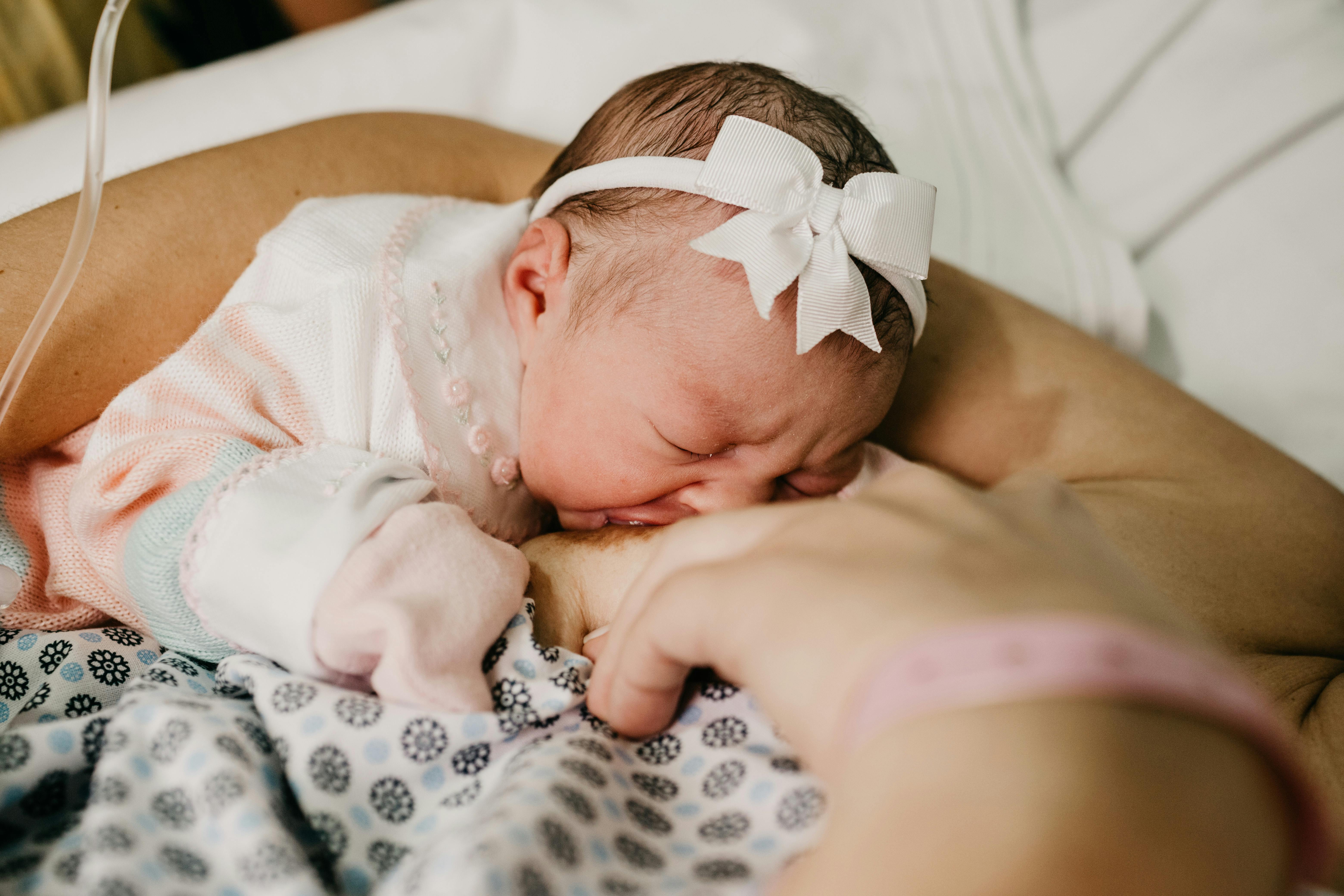
Breastfeeding is a learned skill that thrives in an environment of stillness, confidence, and expert guidance. The transition from hospital to home is one of the highest-risk periods for feeding difficulties — often occurring before mothers have had the opportunity to establish the patterns that will sustain them. At Amarta Nurtura, IBCLC-qualified lactation consultants provide a bridge between discharge and home life, within a setting designed to make feeding as physiologically effortless as possible.
Galactagogues: Nutrition for Optimal Milk Supply
Milk supply is profoundly sensitive to maternal nutrition, hydration, stress levels, and sleep architecture. Our nutritional programme incorporates evidence-supported galactagogue foods — oats, fenugreek, blessed thistle, brewer's yeast, and traditional Balinese daun katuk (a leaf long used locally to support milk production) — within meals and herbal preparations that are both palatable and effective. Hydration targets are integrated into the daily nursing team check-ins, ensuring that one of the simplest drivers of milk supply is consistently supported.
Correcting Latch and Positioning in a Stress-Free Environment
Latch difficulties, nipple pain, and engorgement are among the most common reasons mothers discontinue breastfeeding earlier than they had intended. In a high-stimulus home environment, these challenges are compounded by fatigue and anxiety. Within the sanctuary, our lactation consultants work one-to-one with each mother in an unhurried, private setting — assessing oral anatomy, positioning mechanics, and feed transfer — with the patience and time that the postnatal ward or community midwife simply cannot provide.
Navigating the Emotional Dimensions of Feeding
The feeding journey is rarely purely mechanical. Many mothers carry complex feelings about their choices, their bodies, and the gap between expectation and experience. Our lactation team is trained not only in the technical dimensions of infant feeding but in the emotional intelligence required to hold space for a mother's full experience — whether she is breastfeeding, combination feeding, or navigating the transition to formula. Every path is met with equal expertise and respect.
Nutritional Synergy with Pelvic Rehabilitation
Recovery is multidimensional: what a mother eats directly influences the efficacy of her physical rehabilitation. The Amarta Method integrates dietary and physiotherapy protocols deliberately, recognising that nutrition and movement work most powerfully when they are aligned.
Reducing Systemic Inflammation for Tissue Healing
The anti-inflammatory dietary architecture of the Amarta programme — rich in omega-3s, polyphenols, and botanical compounds — directly supports the resolution of the postpartum inflammatory response. Faster resolution of inflammation means faster tissue healing, reduced pain, and an accelerated return to comfortable movement and pelvic floor loading.
Fibre-Rich Protocols for Pelvic Floor Pressure Management
Straining at stool creates repeated high-pressure episodes within the pelvic canister — one of the most common drivers of pelvic floor symptom exacerbation in the early postpartum period. Our culinary team prioritises fibre-rich, well-cooked, digestively gentle foods, combined with appropriate hydration, to support comfortable bowel function from the earliest days of recovery.
Hydration for Lymphatic and Circulatory Support
Adequate hydration is essential for lymphatic circulation, which drives the clearance of post-surgical or post-delivery inflammatory debris, reduces oedema, and supports milk production. Beyond plain water, our daily offering includes warm herbal teas, jamu preparations, fresh coconut water, and mineral-rich broths — ensuring that hydration is both optimal and genuinely enjoyable.
Partner Integration: Nourishing the Whole Family
At Amarta Nurtura, we understand that a nourished, supported mother is best sustained by a nourished, supported partner. Our nutritional programme extends to the family unit — ensuring that the care and understanding cultivated at the sanctuary carry naturally into home life.
Shared Culinary Experiences and Bonding
Partners are invited to participate in shared meals, cooking demonstrations, and jamu preparation workshops. These shared rituals create a foundation of nutritional literacy and culinary confidence that supports the mother's recovery long after departure. Many partners describe the shared table at Amarta Nurtura as among the most connective experiences of the retreat.
Educating Partners on Postpartum Nutritional Needs
Many partners have no framework for understanding the depth of postpartum depletion or the specific dietary interventions that support recovery. Our programme includes clear, accessible education sessions that equip partners to be genuinely effective in the home environment — understanding which foods to prioritise, how to support hydration, and why the quality of meals in the fourth trimester matters as much as in pregnancy.
Building a Sustainable Wellness Routine for the Family
The transition from sanctuary to home is supported by a detailed departure plan: personalised meal guides, supplement recommendations, jamu preparation instructions, and a framework for maintaining the nutritional and lifestyle principles of the Amarta Method in everyday life. The sanctuary experience becomes the blueprint for a lasting family wellness practice.
The Sanctuary as a Catalyst for Healing
The environment in which a mother eats, rests, and recovers is not incidental to the process — it is foundational to it. At Amarta Nurtura, every element of the physical environment has been considered through the lens of healing.
Restorative Sleep in Private Luxury Villas
Our nursing team coordinates overnight feed support so that mothers receive protected sleep blocks after each feed cycle. Adequate sleep is not a luxury in the fourth trimester; it is the primary metabolic and hormonal recovery intervention available. It cannot be substituted by any supplement, treatment, or technique. We protect it accordingly.
Ubud's Natural Bio-Rhythms and Recovery
The highland environment of Ubud — its cool air, natural light cycles, and freedom from urban noise — creates near-ideal conditions for circadian recalibration. The body's natural rhythms, which govern cortisol, melatonin, growth hormone, and immune function, are given the environmental cues they need to re-establish regularity. This is, quite literally, the landscape as medicine.
Chef-Led Personalisation of Meal Plans
Every meal plan at Amarta Nurtura is a collaboration between our culinary team, our nursing team, and the individual mother. Dietary preferences, allergies, aversions, and cultural food traditions are all incorporated. For mothers with specific recovery profiles — post-caesarean, managing iron-deficiency anaemia, or navigating food sensitivities — meal planning is adapted accordingly. The result is a table that feels personal, culturally rich, and genuinely restorative.
Recovery as an Act of Abundance
Postpartum recovery is a sophisticated journey. It requires a deliberate strategy — of nutrition, professional lactation guidance, emotional containment, and physiological support — that generic wellness advice and the standard six-week check-up cannot provide.
The Amarta Nurtura experience is designed to replace the exhaustion of the fourth trimester with a structured, expert-led path to vitality. By integrating the evidence-based rigour of the Amarta Method with the serene healing traditions of Bali, we offer mothers the opportunity to reclaim their strength and step into motherhood not from a state of depletion, but from one of genuine abundance.
We invite you to enter our sanctuary, where every meal, every ritual, and every restful hour is a step toward your complete restoration.
Frequently Asked Questions
What specific Balinese herbs are used in postpartum care at Amarta Nurtura?
Our jamu formulations draw on turmeric, ginger, galangal, black pepper, tamarind, lemongrass, and daun katuk, among others. Each formulation is prepared fresh, screened against nursing guidelines, and individualised to each mother's health profile and feeding choices before serving.
How does Amarta Nurtura support mothers who choose not to breastfeed?
We respect every feeding decision without condition. Mothers who are formula feeding, combination feeding, or choosing to wean receive the same attentive nutritional and lactation support — adapted to their circumstances — as breastfeeding mothers. Our lactation team is equally skilled in supporting milk suppression as in supporting milk supply.
Can my partner join the nutritional workshops and meals?
Yes. Partners are actively welcomed into shared meals, jamu preparation sessions, and nutritional education workshops. These shared experiences are one of the most valued aspects of the Amarta Nurtura programme for families.
What makes a postpartum retreat different from a standard wellness resort?
A standard wellness resort offers relaxation and general health programming. A postpartum retreat is a specialist environment with nursing-led daily oversight, IBCLC-qualified lactation support, physiotherapy-informed movement programming, and a nutritional architecture designed specifically for the physiology of recovery after birth. The difference is the difference between a holiday and a structured recovery.
Ready to begin your restoration journey?
Experience the Amarta Method at our intimate boutique resort in Ubud, Bali.