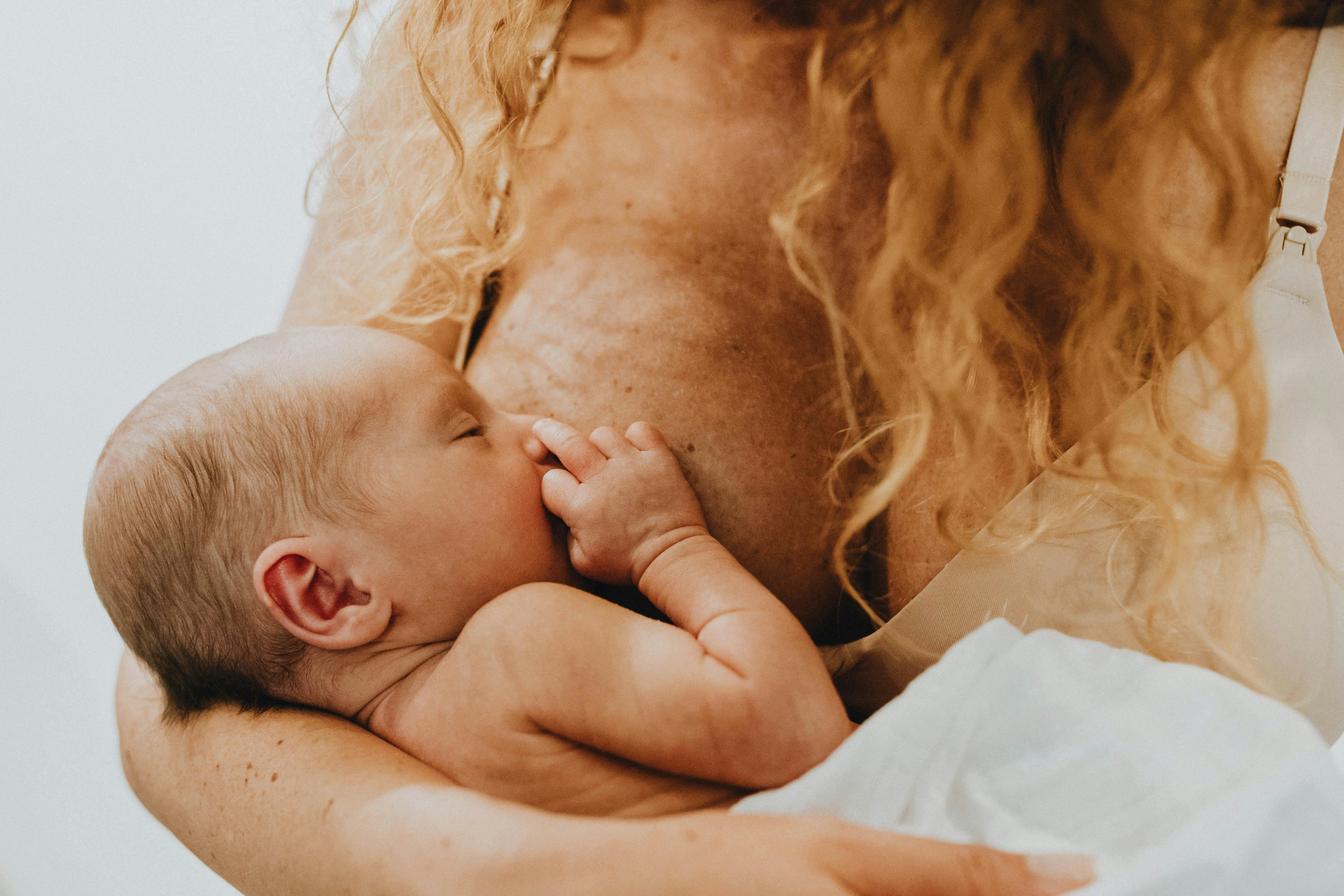
Postpartum Lactation Support and Nutrition for Optimal Recovery
Discover how professional postpartum lactation support and targeted nutrition can accelerate your recovery. Explore the Amarta Method's blend of clinical care and Balinese healing.
The fourth trimester is a period of profound physiological transition, where the body's demands for replenishment are at their peak. Navigating the complexities of breastfeeding while simultaneously healing from childbirth requires more than just rest; it demands a structured approach to nourishment and professional guidance. At Amarta Nurtura, we believe that lactation is not merely a biological function but a delicate interplay between maternal vitality and nutritional abundance. By integrating evidence-based clinical practices with centuries-old Balinese wisdom, mothers can move beyond mere survival into a state of deep, restorative thriving. This guide explores the essential pillars of postpartum lactation support and the critical role of nutrition in ensuring a seamless recovery journey for both mother and child.
The Clinical Importance of Postpartum Lactation Support
Securing professional guidance in the early days of motherhood can significantly influence long-term breastfeeding success and maternal mental health. Understanding the mechanics of milk production is the first step toward a confident recovery. The early postpartum period is when breastfeeding patterns are established, when problems are most likely to arise, and when the mother is most vulnerable to the cascading effects of unaddressed feeding difficulties. Professional lactation support during this window is not a luxury; it is a clinical intervention that shapes the trajectory of the entire breastfeeding relationship.
The Role of Professional Lactation Consultants
International Board Certified Lactation Consultants (IBCLCs) are the gold standard of breastfeeding support, possessing specialized training that goes far beyond the general advice offered by nurses, doulas, or well-meaning relatives. An IBCLC assesses the mother's anatomy and the baby's oral structure, evaluates the latch and milk transfer, identifies issues like tongue tie or lip tie that may require intervention, and develops a personalized feeding plan. At Amarta Nurtura, our lactation consultants provide hands-on, real-time support throughout the postpartum stay, adjusting the feeding plan as the mother's milk supply establishes and as the baby grows. This continuous, expert support transforms the breastfeeding experience from a source of anxiety into a source of bonding and confidence, and it is a level of care that generic postpartum accommodations simply cannot provide.
Addressing Common Latch and Supply Challenges
The most common breastfeeding challenges—poor latch, engorgement, cracked nipples, low supply, oversupply, and mastitis—are all issues that professional lactation support can prevent or resolve. A poor latch, if uncorrected, leads to ineffective milk transfer, inadequate milk production, nipple damage, and a frustrated, underfed baby. Engorgement, if not managed, can progress to mastitis and abscess formation. Low supply, if not addressed with targeted interventions, can derail the breastfeeding relationship entirely. At Amarta Nurtura, our lactation consultants identify and address these challenges early, before they cascade into complications. We use a combination of clinical assessment, hands-on technique adjustment, and targeted nutritional support to resolve issues quickly and to establish a healthy, sustainable feeding pattern that supports both the mother's recovery and the baby's growth.
The Relationship Between Oxytocin and Healing
Oxytocin, often called the 'love hormone,' plays a dual role in the postpartum period: it facilitates the let-down reflex that enables breastfeeding, and it supports uterine involution, the process by which the uterus returns to its pre-pregnancy size. This dual role means that successful breastfeeding is not only a feeding relationship but also a healing process—the oxytocin released during nursing helps the uterus contract and heal, reducing postpartum bleeding and accelerating physical recovery. Professional lactation support, by facilitating successful breastfeeding, directly supports this healing process. At Amarta Nurtura, we understand this physiological connection and design our lactation support to optimize both the feeding relationship and the mother's physical recovery, recognizing that the two are fundamentally linked.
Biometric Monitoring for Maternal Recovery
Comprehensive postpartum lactation support includes biometric monitoring of the mother's recovery. This includes monitoring vital signs, lochia patterns, uterine involution, incision healing (for cesarean recovery), and signs of postpartum complications like infection or hemorrhage. At Amarta Nurtura, our midwifery team conducts regular biometric assessments throughout the stay, providing a continuity of medical observation that bridges the gap between hospital discharge and the six-week postpartum checkup. This monitoring is integrated with lactation support, because the mother's overall recovery status directly affects her milk supply and breastfeeding success. A mother who is healing well, well-nourished, and well-rested will establish a healthier milk supply than one who is struggling with unaddressed complications, and our integrated approach ensures that lactation support is delivered within the context of comprehensive maternal health monitoring.
Postpartum Nutrition for Breastfeeding: Building Your Foundation
Nourishing a newborn requires a caloric and micronutrient density that exceeds even the requirements of pregnancy. A strategic diet is the fuel for both cellular repair and milk synthesis. The nutritional demands of the fourth trimester are unique and substantial, and meeting them requires intentional, structured nutritional support rather than casual eating.
Essential Macronutrients for Tissue Repair
Postpartum tissue repair demands high-quality protein. The body is rebuilding uterine tissue, repairing perineal or surgical wounds, restoring the abdominal wall, and producing milk—all processes that require amino acids. At Amarta Nurtura, our postpartum nutritional protocol emphasizes high-quality protein at every meal, sourced from both animal and plant sources, to support the diverse repair processes underway. Complex carbohydrates provide the sustained energy needed for the demands of newborn care and the caloric requirements of lactation. Healthy fats, particularly omega-3 fatty acids, support hormone production, brain health, and the fat content of breast milk. The balance of these macronutrients is personalized to the mother's specific recovery needs, activity level, and lactation goals, ensuring that her nutritional intake serves her recovery rather than working against it.
Micronutrients That Support Milk Quality
The micronutrient content of breast milk is influenced by the mother's nutritional status, making targeted micronutrient intake essential for both maternal recovery and infant nutrition. Iron replenishes stores depleted by blood loss during delivery and prevents postpartum anemia, which causes fatigue and depression. Calcium supports bone density, which can be compromised during lactation. Vitamin D supports immune function and calcium absorption. B vitamins support energy metabolism and nervous system health. Zinc supports tissue repair and immune function. At Amarta Nurtura, our clinical nutritionist designs meal plans that are dense in these critical micronutrients, using whole food sources and traditional preparations that maximize bioavailability. This targeted micronutrient support ensures that the mother's recovery is not compromised by nutritional gaps, and that the breast milk she produces is as nutritionally rich as possible.
Anti-Inflammatory Foods for Post-Birth Healing
The postpartum body is in a state of inflammation—a normal part of the healing process, but one that can become chronic and counterproductive if not managed through nutrition. Anti-inflammatory foods reduce systemic inflammation, support tissue repair, and may reduce the risk of postpartum mood disorders. At Amarta Nurtura, our nutritional protocol emphasizes anti-inflammatory foods: turmeric, ginger, omega-3-rich fish, leafy greens, berries, and the diverse range of anti-inflammatory spices and herbs central to Balinese cuisine. These foods are integrated into the meal plan in ways that are both therapeutic and enjoyable, ensuring that the anti-inflammatory dimension of the diet is sustained throughout the stay and adopted as a habit the mother can continue at home.
The Science of Hydration and Electrolyte Balance
Breast milk is approximately 87% water, and the production of milk requires significant additional fluid intake beyond baseline needs. Dehydration is one of the most common and most easily addressed causes of reduced milk supply, yet it is frequently overlooked in standard postpartum care. At Amarta Nurtura, our hydration protocol ensures that the mother receives adequate fluids throughout the day, with a focus on electrolyte balance rather than mere water volume. Traditional Jamu preparations, herbal teas, and nutrient-dense broths provide hydration alongside therapeutic compounds, supporting both milk production and overall recovery. This structured approach to hydration—treating it as a clinical intervention rather than an afterthought—is a simple but powerful element of comprehensive postpartum lactation support.
Traditional Balinese Wisdom and Natural Galactagogues
Bali has a rich heritage of Jamu and specialized postpartum diets designed to warm the body and stimulate milk flow. These time-honored traditions provide a sensory and functional layer to modern recovery, offering approaches to lactation support that complement and enhance clinical practices. The integration of traditional wisdom with modern nutritional science is a defining feature of the Amarta Method, and it produces a richer, more effective recovery experience than either approach alone.
The Power of Turmeric and Moringa in Lactation
Turmeric and moringa are two of the most powerful natural galactagogues in the Balinese pharmacopeia, and both have substantial scientific support for their lactation-enhancing properties. Turmeric, with its active compound curcumin, reduces inflammation, supports liver function (critical for hormone metabolism), and has traditional use as a galactagogue across multiple Asian cultures. Moringa, often called the 'miracle tree,' is one of the most nutrient-dense plants on earth, rich in iron, calcium, vitamins, and amino acids, and clinical studies have demonstrated its effectiveness in increasing breast milk production. At Amarta Nurtura, these and other traditional galactagogues are integrated into the nutritional protocol, prescribed in appropriate forms and dosages, and monitored for effectiveness, providing a natural, culturally grounded approach to supporting milk supply.
Warming Foods: Restoring the 'Agni' or Digestive Fire
In Balinese and Ayurvedic tradition, the postpartum body is considered 'cold'—depleted of the digestive fire, or agni, that powers metabolism and transformation. The traditional postpartum diet is therefore warming, designed to restore agni, support digestion, and promote the circulation that underlies both healing and lactation. Warm, cooked foods predominate, with raw foods, cold drinks, and difficult-to-digest items avoided during the recovery period. At Amarta Nurtura, our postpartum meals follow this warming principle, with soups, stews, warm grain dishes, and herbal preparations that are both nourishing and easy to digest. This approach supports the digestive recovery that is essential for nutrient absorption, ensuring that the mother can actually utilize the nutrition she is receiving rather than struggling to digest a diet that her postpartum body is not equipped to process.
Traditional Balinese Confinement Meals
The traditional Balinese postpartum diet includes specific dishes and preparations that have been refined over centuries to support postpartum recovery and lactation. These include jamu kunyit (turmeric tonic), boreh (warming body wrap that supports circulation), lodeh (vegetable stew in coconut milk), and various preparations of rice, fish, and warming spices. At Amarta Nurtura, these traditional dishes are prepared by chefs trained in both traditional Balinese cuisine and clinical postpartum nutrition, ensuring that they are both authentic and therapeutically appropriate. The traditional confinement meals provide a culturally rich, deeply nourishing dimension to the postpartum experience that standard nutritional approaches cannot match, and they connect the mother to a lineage of postpartum wisdom that honors the significance of her recovery.
Integrating Local Superfoods into a Global Diet
For international mothers, a key value of the Amarta Nurtura experience is the opportunity to incorporate Balinese superfoods and traditional preparations into their nutritional repertoire, with education on how to continue these practices at home. Our nutrition team provides guidance on sourcing or substituting the key ingredients in the mother's home country, ensuring that the nutritional practices established during the retreat can be sustained long after the return home. This integration of local superfoods into a global diet reflects our commitment to producing lasting change rather than temporary benefits, and it is a practical example of how the Amarta Method transforms a retreat experience into a foundation for long-term maternal vitality.
The Amarta Method: A Holistic Approach to Nourishment
Our proprietary approach transcends standard care by treating the mother as a whole ecosystem, focusing on the synergy between physical rehabilitation and emotional peace. The Amarta Method is not a collection of services but a coordinated protocol in which each element supports and enhances the others, producing a recovery experience that is greater than the sum of its parts.
Integrating Clinical Pelvic Rehabilitation
Pelvic floor rehabilitation is integrated with nutritional and lactation support in the Amarta Method, recognizing that the mother's recovery is a single, interconnected process. Pelvic floor dysfunction can cause pain, urinary incontinence, and sexual dysfunction that undermine the mother's overall wellbeing and, by extension, her breastfeeding experience. By addressing pelvic health alongside nutrition and lactation, the Amarta Method ensures that no dimension of recovery is neglected, and that the mother's physical foundation is strong enough to support the demands of breastfeeding and newborn care. Our specialist pelvic floor physiotherapists work alongside the lactation and nutrition teams, creating a coordinated recovery protocol that addresses the whole mother.
Personalized Nutrition Plans by In-House Chefs
The nutritional dimension of the Amarta Method is delivered by in-house chefs who prepare personalized meal plans designed by our clinical nutritionist. Every meal is tailored to the mother's specific recovery stage, lactation needs, dietary preferences, and cultural background. The meals are prepared with locally sourced, organic ingredients, and they integrate traditional Balinese preparations with the mother's familiar cuisine, creating a nutritional experience that is both therapeutically precise and culturally comforting. This level of personalized, chef-prepared nutrition is a defining feature of the Amarta Method, and it transforms nutrition from a clinical recommendation into a lived, enjoyable experience that the mother looks forward to each day.
Daily Rituals for Stress Reduction and Supply
The Amarta Method incorporates daily rituals designed to reduce stress and support milk supply. These include guided meditation, gentle yoga, traditional Balinese blessing ceremonies, and time in nature—all practices that lower cortisol and support the parasympathetic state in which lactation thrives. These rituals are not optional add-ons but integrated elements of the recovery protocol, scheduled into the daily rhythm of the retreat. By weaving stress reduction into the structure of each day, the Amarta Method addresses the psychosomatic dimension of lactation, recognizing that milk supply is influenced by the mother's emotional state as much as by her nutritional intake, and that a calm, nurtured mother produces milk more readily than a stressed one.
24/7 Midwifery and Specialist Access
The Amarta Method provides 24/7 access to midwifery and specialist support throughout the postpartum stay. This means that breastfeeding challenges, recovery concerns, or emotional distress can be addressed immediately, at any hour, by qualified professionals. This continuous access is particularly valuable in the early postpartum period, when issues can arise suddenly and when timely intervention prevents complications. The knowledge that expert support is always available provides a peace of mind that itself supports recovery and lactation, allowing the mother to relax into the experience rather than anxiously monitoring for problems. This 24/7 access is a level of support that standard postpartum accommodations do not provide, and it is a cornerstone of the clinical safety that defines the Amarta Method.
Managing Stress and the Psychosomatic Link to Supply
The nervous system plays a direct role in the let-down reflex and overall milk volume. Creating a sanctuary environment is a clinical necessity, not just a luxury. The physiological connection between stress and lactation is one of the most important and most overlooked dimensions of postpartum care, and addressing it requires more than advice to 'relax.'
The Impact of Cortisol on Prolactin Levels
Cortisol, the primary stress hormone, directly antagonizes prolactin, the hormone that governs milk production. When a mother is stressed, anxious, or sleep-deprived, her cortisol levels rise and her prolactin-mediated milk production is suppressed. This is not a psychological phenomenon but a physiological one—the body, under stress, conserves resources for immediate survival rather than allocating them to milk production. Understanding this mechanism is essential because it means that stress reduction is not a wellness luxury but a clinical intervention for milk supply. At Amarta Nurtura, every element of the environment and the care protocol is designed to minimize stress and support the parasympathetic state, from the seclusion of the sanctuary to the daily rituals to the 24/7 support, because we understand that a calm mother is a lactating mother.
Creating a Pro-Lactation Sanctuary Environment
A pro-lactation environment is one that supports the physiological conditions for milk production: low stress, comfort, privacy, and easy access to the baby. At Amarta Nurtura, the private luxury villas are designed as pro-lactation sanctuaries, with comfortable feeding areas, co-sleeping arrangements that support responsive feeding, environmental controls that accommodate the temperature sensitivities of the postpartum body, and the seclusion that allows the mother to feed without self-consciousness. The sanctuary environment extends beyond the villa to the common spaces, which are designed for quiet reflection and nervous system regulation. This intentional design of the physical environment as a pro-lactation space is a clinical intervention, not merely an aesthetic choice, and it is a significant advantage of a dedicated postpartum retreat over standard accommodation.
Mindfulness Practices for the Feeding Mother
Mindfulness practices directly support lactation by activating the parasympathetic nervous system and reducing cortisol. At Amarta Nurtura, we teach specific mindfulness techniques for the feeding mother: guided breathing before nursing to activate the let-down reflex, body awareness practices that help the mother notice and release tension, and meditation practices that reduce the mental chatter that can interfere with the bonding and relaxation that support breastfeeding. These practices are taught by qualified practitioners and integrated into the daily rhythm of the retreat, ensuring that the mother develops a sustainable mindfulness practice that she can continue at home, supporting her lactation and her overall mental health long after the retreat ends.
Partner Involvement in the Breastfeeding Journey
Partner involvement is a critical but often neglected dimension of lactation support. A supportive partner can reduce the mother's stress, take on non-feeding tasks that allow the mother to rest, provide emotional encouragement during challenging feeding moments, and help identify problems that require professional attention. At Amarta Nurtura, partners are actively educated about the breastfeeding journey—learning how to support positioning, how to recognize signs of poor latch or mastitis, how to manage household tasks to protect the mother's rest, and how to provide emotional support that is informed rather than well-meaning but misdirected. This partner education transforms the partner from a bystander into an informed member of the lactation support team, and it is a powerful intervention for both breastfeeding success and relationship health.
Transitioning from Sanctuary to Home: Sustaining Recovery
The lessons learned during a dedicated retreat should serve as the blueprint for a mother's lifestyle long after she leaves the sanctuary of Ubud. The transition from retreat to home is a critical juncture, and the Amarta Method is designed to ensure that the benefits of the retreat are sustained rather than lost upon return to daily life.
Meal Prepping for Continued Lactation Success
The nutritional practices established during the retreat can be sustained at home through structured meal preparation. At Amarta Nurtura, our nutrition team provides the mother with a personalized meal plan, recipes, and sourcing guidance that allows her to continue the therapeutic nutrition protocol at home. For mothers who have access to meal preparation support, we provide guidance on how to brief their cook or delivery service on the principles of postpartum nutrition. For mothers who prepare their own meals, we provide simple, batch-cooking strategies that make therapeutic nutrition manageable alongside the demands of newborn care. This practical, home-oriented guidance ensures that the nutritional foundation built during the retreat is not lost but continues to support lactation and recovery in the weeks and months after the return home.
Building a Support Network of Caregivers
Sustained postpartum recovery requires a support network, and the Amarta Method includes guidance on building that network before the mother leaves the retreat. This includes identifying a lactation consultant in the mother's home area, establishing a relationship with a postpartum healthcare provider, identifying pelvic health practitioners if ongoing rehabilitation is needed, and building a community of other mothers who can provide peer support. At Amarta Nurtura, we assist with this network-building by providing referrals, resources, and a discharge plan that identifies the specific support providers the mother will need at home. This proactive approach to post-retreat support ensures that the mother does not leave the sanctuary only to find herself unsupported, and that the care continuum established during the retreat extends into her daily life.
Recognizing When to Seek Further Support
A critical element of the transition home is education on recognizing when to seek further professional support. Postpartum complications can arise after the retreat, and the mother should be equipped to identify the signs that require medical attention: signs of mastitis, symptoms of postpartum depression or anxiety, indications of pelvic floor dysfunction that requires ongoing rehabilitation, or nutritional issues that are affecting milk supply. At Amarta Nurtura, we provide clear, practical guidance on these warning signs, ensuring that the mother can distinguish between normal postpartum challenges and issues that require professional intervention. This education empowers the mother to advocate for her own health and to seek timely support, preventing complications from escalating and protecting the recovery progress she has made.
Long-term Maternal Vitality and Self-Care
The ultimate goal of the Amarta Method is not merely acute postpartum recovery but long-term maternal vitality. The practices established during the retreat—therapeutic nutrition, stress management, pelvic health maintenance, mindfulness, and self-care—are designed to serve the mother for years, not weeks. At Amarta Nurtura, we frame the postpartum retreat not as a discrete event but as the foundation of a sustainable self-care practice that supports the mother's health through the demands of early motherhood and beyond. This long-term perspective is the ultimate expression of our commitment to maternal wellness, and it is the reason that the Amarta Method produces not just recovered mothers but thriving ones.
Conclusion
Optimal recovery in the fourth trimester is a multifaceted endeavor that requires the right balance of expert postpartum lactation support and targeted nutrition. By honoring the body's need for specific nutrients and a calm, supportive environment, mothers can ensure their journey into parenthood is marked by strength rather than depletion. Whether you are navigating these challenges at home or seeking the immersive care of a dedicated sanctuary like Amarta Nurtura in Bali, prioritizing your nourishment is the greatest gift you can give to yourself and your baby. True healing begins when clinical expertise meets the soul-soothing traditions of holistic wellness, allowing you to emerge from the fourth trimester revitalized and empowered.
Experience the Amarta Method's specialized postpartum programs, explore our luxury villas designed for fourth-trimester sanctuary, or contact our specialists to discuss your personalized lactation support plan.
Frequently Asked Questions
What are the best foods for increasing milk supply quickly?
The most effective foods for supporting milk supply are those that combine hydration, caloric density, and galactagogue properties. Oatmeal, brewer's yeast, flaxseed, and moringa are well-known galactagogues that can be incorporated into daily meals. Traditional Balinese Jamu preparations, particularly those containing turmeric and moringa, offer concentrated galactagogue support. At Amarta Nurtura, our clinical nutritionist designs personalized galactagogue protocols based on the mother's specific supply needs, dietary preferences, and cultural background, combining evidence-based foods with traditional preparations for a comprehensive approach. It is important to note that food-based galactagogues work best within a broader context of adequate hydration, rest, and frequent nursing, and that persistent supply issues should be evaluated by a lactation consultant.
How does the Amarta Method support breastfeeding mothers?
The Amarta Method supports breastfeeding mothers through an integrated, multi-disciplinary approach. IBCLC lactation consultants provide hands-on support throughout the stay, addressing latch, supply, and any breastfeeding challenges. The clinical nutritionist designs personalized meal plans that support lactation through targeted nutrition and traditional galactagogues. The midwifery team provides 24/7 monitoring of maternal recovery, which directly affects milk supply. Daily rituals and the sanctuary environment support the stress reduction that is physiologically essential for lactation. Partners are educated to provide informed support. This coordinated, whole-mother approach produces better breastfeeding outcomes than isolated lactation support, because it addresses the interconnected factors—physical, nutritional, emotional, and relational—that determine breastfeeding success.
Can Balinese traditional medicine help with postpartum recovery?
Balinese traditional medicine, or Jamu, offers significant benefits for postpartum recovery when properly applied within a clinical framework. Jamu preparations provide targeted herbal support for the specific stages of recovery: anti-inflammatory blends for the acute healing phase, galactagogue tonics for lactation, calming preparations for nervous system support, and warming foods for digestive restoration. Traditional practices like boreh body wraps and postpartum massage support circulation, tissue repair, and physical comfort. At Amarta Nurtura, these traditional practices are integrated with clinical care, screened for safety and appropriateness, and monitored for effectiveness, ensuring that the mother receives the benefits of traditional wisdom without compromising clinical safety. This integration of traditional and clinical approaches is a defining feature of the Amarta Method.
What should I include in a postpartum nutrition plan?
A comprehensive postpartum nutrition plan should include high-quality protein at every meal for tissue repair, complex carbohydrates for sustained energy, healthy fats for hormone production and milk quality, and a dense array of micronutrients—iron, calcium, vitamin D, B vitamins, zinc—to support both maternal recovery and milk quality. Anti-inflammatory foods should be emphasized to manage postpartum inflammation. Hydration should be intentional and structured, with electrolyte balance considered. Traditional galactagogues can be incorporated to support milk supply. At Amarta Nurtura, our clinical nutritionist designs personalized postpartum nutrition plans that incorporate all of these elements, tailored to the mother's specific recovery stage, dietary needs, and cultural preferences, and provides guidance on sustaining the plan at home after the retreat.
Ready to begin your restoration journey?
Experience the Amarta Method at our intimate boutique resort in Ubud, Bali.