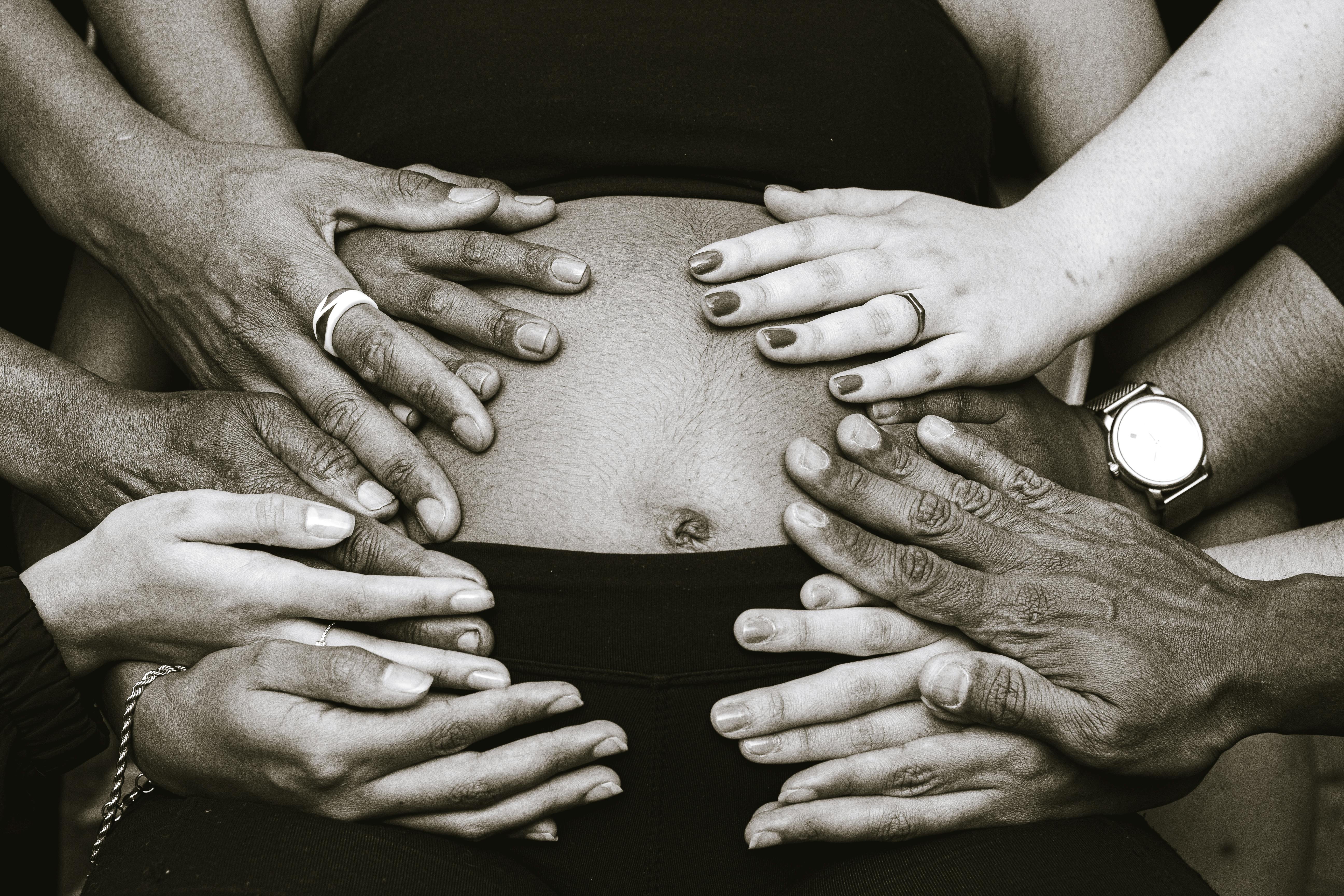
Postpartum Doula Guide: Services, Benefits, and Support Options
What does a postpartum doula actually do? Explore essential postpartum doula services and learn how a residential postpartum retreat offers an elevated recovery experience.
The arrival of a newborn marks the beginning of the 'fourth trimester,' a profound period of physical recovery and emotional transformation. While the medical focus often ends at delivery, the actual journey of motherhood is just beginning. Many families seek the support of a postpartum doula to navigate these early weeks. This role is dedicated to 'mothering the mother,' providing a bridge between clinical hospital care and the realities of life at home. However, as the needs of modern mothers evolve, many are looking beyond traditional in-home care toward more comprehensive, immersive sanctuary experiences that offer 24/7 clinical and holistic support. This guide explores what a postpartum doula actually does, the services they provide, and when a residential alternative like Amarta Nurtura may be the more effective choice for your fourth trimester.
What is a Postpartum Doula and What Do They Do?
A postpartum doula is a trained professional who provides physical, emotional, and informational support to a mother and her family during the weeks following childbirth. Unlike a birth doula, whose work centers on labor and delivery, a postpartum doula's work begins once you return home. Their role is non-clinical—they do not perform medical procedures or replace the care of a midwife or physician—but they fill the critical gap between medical discharge and genuine recovery. A postpartum doula is part educator, part emotional support, part practical helper, and part advocate, adapting their support to the specific needs of each family.
Physical Recovery and Maternal Comfort
A postpartum doula supports the mother's physical recovery by helping her rest, nourish her body, and manage the basic demands of newborn care. This includes assisting with positioning for feeding, demonstrating comfort measures for perineal or incision healing, and ensuring the mother is hydrating and eating adequately. The doula may prepare warming, nutrient-dense meals aligned with traditional postpartum nutrition principles, and help the mother recognize the signs of normal recovery versus symptoms that warrant medical attention. By taking on practical tasks, the doula creates the conditions under which the mother's body can heal.
Evidence-Based Newborn Care Education
One of the most valuable functions of a postpartum doula is education. For first-time parents, the newborn phase can feel overwhelming. A doula provides hands-on, evidence-based instruction in bathing, swaddling, diapering, cord care, sleep settling, and recognizing feeding cues. This education builds parental competence and confidence, reducing the anxiety that often accompanies the early days at home with a new baby. Rather than imposing a single philosophy, a skilled doula presents options and helps the family develop the approach that works best for them.
Emotional Processing and Mental Health Advocacy
The emotional landscape of the fourth trimester is complex. Hormonal shifts, sleep deprivation, and the identity transformation of matrescence can leave mothers feeling vulnerable and overwhelmed. A postpartum doula provides a non-judgmental presence for emotional processing—listening, normalizing, and validating the mother's experience. Critically, a trained doula also serves as a mental health advocate: they are educated to recognize the signs of postpartum mood disorders and can encourage the mother to seek professional help when needed. This early identification can be life-changing, as perinatal mood disorders are highly treatable when addressed promptly.
Core Postpartum Doula Services for the Fourth Trimester
The scope of postpartum doula services is designed to reduce the stress of the household so the mother can focus exclusively on bonding and healing. These services are often tailored to the specific needs of the family, and a doula may work anywhere from a few hours a day to overnight shifts, depending on the arrangement.
Lactation and Feeding Support
Feeding is one of the most challenging aspects of early postpartum life. A postpartum doula provides practical support with breastfeeding, bottle feeding, and pumping, helping the mother establish a feeding routine that works for her and her baby. While a doula is not a substitute for an IBCLC-certified lactation consultant when clinical issues arise, they can assist with latch technique, positioning, and identifying when a referral is needed. For mothers who choose to formula feed or combination feed, a doula provides the same level of non-judgmental support, ensuring every mother feels confident in her feeding choices.
Light Household Management and Meal Preparation
The domestic demands of a household do not pause for a newborn. A postpartum doula lightens this load by handling light household management—tidying shared spaces, preparing meals, running errands, and managing the basic logistics that otherwise consume the mother's cognitive bandwidth. This practical support is not incidental; it is a clinical intervention. When a mother is not navigating laundry, meal planning, and household coordination, her nervous system can settle into the parasympathetic state required for healing, bonding, and lactation. The removal of domestic cognitive load is one of the most impactful fourth trimester support services a doula provides.
Sibling Integration and Family Dynamics
When a new baby joins a family with older children, the transition affects everyone. A postpartum doula helps manage sibling integration by engaging older children, supporting the parents in communicating about the new family structure, and ensuring the older child feels included rather than displaced. The doula may also support the partner's transition, providing education and encouragement that helps the partner become an active, confident participant in newborn care and household management. This whole-family approach recognizes that postpartum recovery is a family event, not an individual one.
Postpartum Doula vs. Postpartum Retreat: Which is Right for You?
While a doula provides vital support within your home, a residential postpartum retreat offers a managed environment designed entirely for recovery. Choosing between them depends on your desired level of immersion and clinical access. Both models have value, and understanding the differences helps you make an informed decision based on your specific needs, resources, and circumstances.
The Benefits of a Neutral, Curated Environment
A postpartum retreat removes the mother from the environment where she must perform, manage, and accommodate. In a dedicated sanctuary, there are no household demands, no visitors to negotiate, no logistics to coordinate. The environment is curated for one purpose: recovery. This neutral space allows the mother's nervous system to downregulate in a way that is difficult to achieve at home, where the constant reminders of unfinished tasks and social obligations keep the sympathetic nervous system engaged. For mothers who find it difficult to truly rest in their own homes, a retreat offers a level of psychological permission to receive care that in-home support cannot replicate.
Access to Multidisciplinary Specialist Teams
A postpartum doula is typically a single professional, skilled across a range of areas but not a specialist in all of them. A residential retreat like Amarta Nurtura provides access to a full multidisciplinary team: IBCLC-certified lactation consultants, specialist pelvic floor physiotherapists, registered clinical nutritionists, perinatal mental health practitioners, and traditional Balinese healers. This team-based approach ensures that every dimension of recovery—physical, emotional, nutritional, and spiritual—is addressed by a specialist in that field. When issues arise that exceed the scope of a single doula, the retreat model has the depth to respond without the mother needing to coordinate external referrals.
Comparing In-Home Logistics to Sanctuary Luxury
In-home doula support requires the mother to manage the logistics of scheduling, meal provisioning, and household readiness for the doula's visits. A retreat eliminates this entirely: meals are prepared, spaces are maintained, and care is available around the clock. The postpartum doula vs postpartum retreat comparison ultimately comes down to the level of immersion and the degree to which the mother wants to be relieved of all non-recovery responsibilities. For some families, a few hours of daily in-home support is sufficient. For others, particularly those recovering from difficult births, managing older children, or seeking a deeper level of restoration, the immersive sanctuary model is the more effective choice.
The Amarta Method: Beyond Traditional Postpartum Support
At Amarta Nurtura in Ubud, we have evolved the concept of the postpartum doula into a comprehensive methodology. The Amarta Method blends clinical excellence with the profound healing traditions of Bali, creating a recovery experience that goes beyond what any single in-home professional can provide. The Amarta Method does not replace the doula; it elevates the doula's core philosophy—mothering the mother—into an immersive, multidisciplinary, clinically supervised sanctuary environment.
Clinical Pelvic Rehabilitation and Physiotherapy
Pelvic floor dysfunction affects up to one in three mothers and includes urinary incontinence, pelvic organ prolapse, pain with intercourse, and chronic pelvic pain. The Amarta Method integrates specialist pelvic floor physiotherapy directly into the recovery protocol, beginning with a comprehensive assessment within the first 48 hours of arrival. Rehabilitation starts with breath-based deep core reconnection before any progressive loading, and traditional Balinese abdominal binding is applied diagnostically—only after physiotherapists have assessed for diastasis recti and pelvic floor integrity. This clinical precision ensures that compression is therapeutic rather than counterproductive, a distinction that in-home care rarely achieves.
Traditional Balinese Postpartum Healing Rituals
The Amarta Method incorporates centuries-old Balinese healing traditions within a clinically supervised framework. Jamu herbal tonics, made fresh daily from turmeric, ginger, and galangal, provide documented anti-inflammatory and uterine-toning benefits. Boreh warming body wraps support the elimination of retained fluids and reduce joint inflammation. Pijat Kocok traditional massage supports uterine involution. Melukat water purification ceremonies provide a symbolic framework for processing the birth experience. Every traditional modality is evaluated for clinical appropriateness based on the mother's recovery status, ensuring that traditional and clinical dimensions reinforce rather than conflict with one another.
Nutritional Therapy for Hormonal Rebalancing
Postpartum nutritional needs exceed those of pregnancy in several key areas. Tissue repair demands high-quality protein and zinc. Blood rebuilding requires iron-rich foods with adequate vitamin C for absorption. Lactation adds significant caloric and micronutrient demands. Hormonal stabilization depends on specific fatty acid profiles, particularly omega-3 DHA. At Amarta Nurtura, our clinical nutritionist designs personalized meal plans that integrate the principles of traditional postpartum nutrition—warming, easily digestible, iron-rich, galactagogue-supporting—with modern nutritional science. Every meal is purpose-built for the mother's specific stage of postpartum recovery, delivery type, and dietary requirements.
Why Location Matters: The Role of Bali in Postpartum Recovery
While the primary search for a postpartum doula is often local, many families are realizing the benefit of a destination recovery. The environment in which you heal can significantly impact your long-term wellness. Bali—specifically Ubud—offers a combination of natural beauty, cultural reverence for motherhood, and a global community of wellness practitioners that makes it uniquely suited to postpartum recovery.
Ubud as a Global Center for Healing and Vitality
Ubud has become a global epicenter for the healing arts, attracting practitioners trained in both traditional Indonesian modalities and modern clinical disciplines. The town's infrastructure supports wellness at every level, from organic food supply to specialized clinics to experienced perinatal practitioners. For a recovering mother, this means access to a depth and breadth of expertise that is difficult to assemble in a single home environment. The cultural framework of Ubud—one that treats the postpartum period as sacred rather than incidental—creates a social environment that naturally supports the mother's recovery.
The Impact of Nature on Postpartum Cortisol Levels
Extensive research in environmental psychology demonstrates that exposure to natural environments reduces cortisol levels, improves immune function, and promotes the parasympathetic nervous system state optimal for healing. The phytoncides released by tropical vegetation have measurable immune-modulating effects. The rice terraces, sacred forests, and tropical gardens of Ubud provide this restorative natural exposure continuously—not as a scheduled excursion but as the ambient backdrop of daily life. For a mother experiencing postpartum anxiety, daily immersion in this landscape provides a continuous, passive therapeutic input that supports the active interventions of her recovery protocol.
Sacred Balinese Water Rituals for New Mothers
Water has a profound effect on the postpartum nervous system. Traditional Balinese melukat water purification ceremonies combine the therapeutic effects of warm water with the symbolic power of ritual, creating a multi-sensory experience that supports emotional processing and nervous system regulation. At Amarta Nurtura, these rituals are facilitated by traditional healers within a clinically supervised framework, ensuring that the spiritual and clinical dimensions of recovery work in harmony. The science of ritual demonstrates that ceremony measurably reduces anxiety, lowers cortisol, and supports the formation of positive memory associations around the birth experience.
Planning Your Postpartum Care Strategy
Preparation is the key to a smooth fourth trimester. Whether you choose an individual postpartum doula or a dedicated residential program, the decision should be made well before your due date. Last-minute arrangements often result in compromised care, limited options, and unnecessary stress during a period when you should be focused entirely on recovery.
When to Begin Interviewing Support Professionals
The ideal time to begin researching and interviewing postpartum support options is during the second trimester. This allows sufficient time to evaluate multiple options, conduct consultations, and secure your preferred dates before the scheduling pressures of the third trimester. For a residential retreat like Amarta Nurtura, early booking also allows for pre-arrival clinical consultation, personalized protocol design, and coordination with your home birth or hospital team. Waiting until after the baby arrives limits your options and introduces decision-making at a time when your cognitive resources are already depleted.
Integrating a Babymoon with Postpartum Planning
Many families find that combining a luxury babymoon retreat during pregnancy with a postpartum sanctuary stay after birth creates a continuous arc of maternal care. The babymoon provides prenatal preparation—gentle movement, emotional readiness, and partner bonding—while the postpartum stay delivers structured clinical recovery. This integrated approach ensures that the mother is supported at both ends of the birth experience, reducing the likelihood of depletion and strengthening the family's foundation for the months ahead.
Setting Boundaries for a Sacred Recovery Period
Whether you choose in-home doula support or a residential retreat, establishing clear boundaries around the fourth trimester is essential. This includes limiting visitors, communicating your needs clearly, and giving yourself permission to prioritize recovery over social obligation. A structured retreat environment makes these boundaries tangible and supported, but the same principles can be applied at home with intentionality. The ability to protect your recovery space is not selfishness; it is a clinical skill that sustains long-term maternal wellness.
Conclusion
Choosing the right support for your fourth trimester is one of the most significant decisions you will make in your early parenting journey. A postpartum doula offers incredible value in the home setting, providing education, emotional support, and practical help during a vulnerable transition. But for those seeking a deeper level of restorative care, a residential sanctuary provides an unparalleled environment for healing. Amarta Nurtura exists to offer this elevated alternative—a place where clinical expertise meets the luxury of a Balinese retreat, where the doula's philosophy of 'mothering the mother' is realized in its most complete form. By prioritizing your comprehensive postpartum doula support now, you set the foundation for a healthy, vibrant life with your new family.
Explore the Amarta Method and our clinical recovery protocols, book a discovery call for your fourth trimester, or discover our luxury babymoon retreat for prenatal preparation.
Frequently Asked Questions
How long does a postpartum doula usually stay with a family?
A postpartum doula typically works with a family for the first two to six weeks after birth, though some families engage support for up to three months. The arrangement depends on the family's needs and the doula's availability. Visits may range from a few hours a day to overnight shifts. A residential retreat like Amarta Nurtura provides continuous, 24/7 support throughout the stay, which typically lasts between one and four weeks depending on the program selected.
What is the difference between a baby nurse and a postpartum doula?
A baby nurse (or newborn care specialist) primarily focuses on the baby's physical care—feeding, sleeping, and hygiene. A postpartum doula supports the entire family, with a focus on the mother's recovery, emotional wellbeing, and education. The doula's role is broader, encompassing feeding support, sibling integration, household lightening, and mental health advocacy. Neither role is clinical; both complement the care provided by a physician or midwife.
Can a postpartum retreat help with postpartum depression?
Yes. A structured postpartum retreat provides the clinical screening, professional mental health support, and nervous system regulation that are critical for addressing perinatal mood disorders. At Amarta Nurtura, perinatal mental health practitioners provide regular check-ins using standardized screening tools, and the sanctuary environment itself supports the parasympathetic state that facilitates emotional recovery. However, a retreat is not a substitute for acute psychiatric care; mothers experiencing severe symptoms should consult a physician immediately.
Does Amarta Nurtura provide 24/7 support during the stay?
Yes. Amarta Nurtura provides 24/7 clinical oversight throughout your stay, including midwifery monitoring, on-call lactation support, and a multidisciplinary care team available around the clock. This continuous access distinguishes the residential sanctuary model from in-home doula support, which is typically limited to scheduled visits. The level of support is tailored to each mother's recovery protocol and adjusted throughout the stay based on clinical assessment.
Ready to begin your restoration journey?
Experience the Amarta Method at our intimate boutique resort in Ubud, Bali.