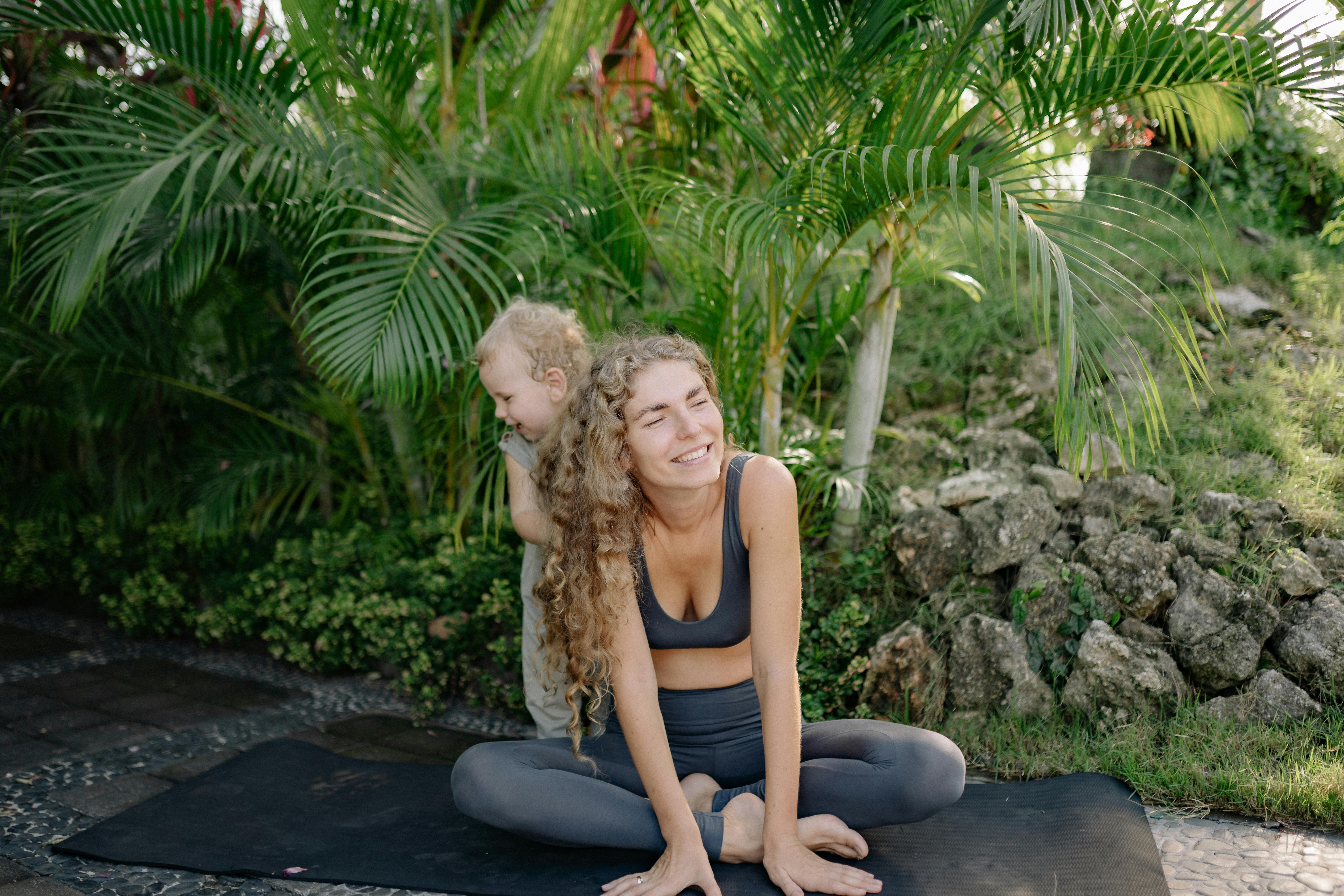
Postnatal Retreat vs. Luxury Spa: Why New Mothers Need More Than Pampering
Explore the differences between a postnatal retreat and a luxury spa. Learn why fourth trimester recovery requires clinical support, pelvic rehab, and specialized care.
For the modern mother, the 'Fourth Trimester' is a period of profound transition that requires more than just a fleeting escape. While a luxury spa offers temporary relaxation, a dedicated postnatal retreat provides the clinical framework and holistic depth necessary for true physical and emotional restoration. This guide examines why the traditional spa model often falls short for new mothers and how a specialized sanctuary like Amarta Nurtura bridges the gap between luxury hospitality and essential maternal healthcare.
The Limitations of the Traditional Luxury Spa for Postpartum Healing
Standard luxury spas are designed for general relaxation, but the postpartum body has specific physiological needs that general therapists are rarely trained to handle. The mismatch between what a spa offers and what a recovering mother actually needs is not a minor gap — it is a fundamental category error. A spa is designed to pamper healthy adults; a postpartum retreat is designed to rehabilitate a body that has just undergone one of the most physically demanding events in human biology.
Why Standard Massages Aren't Enough for Postpartum Recovery
A standard massage therapist — however skilled in general bodywork — is not trained in the specific physiology of the postpartum body. The postpartum abdomen requires careful, stage-appropriate technique: deep tissue work before uterine involution is complete can disrupt healing, and certain pressure points may affect lactation or uterine contraction. The musculoskeletal patterns of postpartum recovery — neck and shoulder tension from feeding, lower back strain from altered posture, core weakness from abdominal stretching — require targeted therapeutic approaches that generic relaxation massage does not provide. A therapist without postpartum training may also fail to recognize clinical signs — mastitis, deep vein thrombosis, diastasis recti — that require medical attention rather than massage. At Amarta Nurtura, our massage therapists are trained in both traditional Balinese techniques and clinical postpartum care, ensuring that every bodywork session is not only restorative but safe and clinically appropriate for the specific stage of recovery.
The Risk of Non-Specialized Treatments in the Early Weeks
The early weeks of the fourth trimester are a period of acute physiological vulnerability. The uterus is undergoing involution, incisions or tears are healing, the hormonal system is in dramatic recalibration, and the pelvic floor is beginning its recovery. In this context, non-specialized treatments carry real risks. Certain essential oils are contraindicated during lactation. Heat treatments may be inappropriate for mothers with elevated blood pressure or postpartum preeclampsia. Abdominal pressure from body wraps may be unsafe before complete healing. Lymphatic drainage techniques, if applied too aggressively, can disrupt the natural inflammatory healing process. A luxury spa, focused on general wellness, does not have the clinical framework to evaluate these contraindications for each individual mother. A postnatal retreat, operating under midwifery and physiotherapy oversight, evaluates every treatment against the mother's specific clinical status before it is delivered, ensuring that therapeutic intent never inadvertently causes harm.
The Lack of Clinical Oversight in a Typical Resort Setting
The most fundamental limitation of a luxury spa for postpartum recovery is the absence of clinical oversight. A spa operates on a treatment schedule: the mother receives her scheduled treatments, and between appointments she is effectively on her own. The postpartum body, however, does not operate on a schedule. Complications can emerge suddenly and present subtly — a low-grade fever signaling infection, a gradual decline in milk supply, a creeping emotional flatness indicating a mood disorder. Without continuous clinical monitoring, these signals are easily missed until they escalate into acute crises. A postnatal retreat like Amarta Nurtura provides 24/7 midwifery oversight, with medical professionals who monitor the mother's recovery throughout her stay. This clinical infrastructure — the continuous observation, the ability to recognize and respond to complications, the coordination with the mother's broader medical team — is the foundation upon which every other element of recovery is built, and it is something no spa, however luxurious, can provide.
What Defines a True Postnatal Retreat?
A postnatal retreat is an intentional space that combines 24/7 support with specialized medical and wellness protocols designed specifically for the mother's recovery. It is not a hotel with a spa attached; it is a dedicated maternal recovery environment where every element — the physical space, the care team, the daily schedule, the nutritional program, the traditional rituals — is designed to serve the specific needs of the postpartum body.
The Integration of Clinical Postpartum Care and Luxury
The defining innovation of the modern postnatal retreat is the dissolution of the false choice between clinical care and luxury. Historically, mothers have been forced to choose: a clinical environment that provides medical safety but feels sterile and institutional, or a luxury environment that provides comfort but lacks clinical infrastructure. A true postnatal retreat integrates both, delivering 24/7 midwifery care, specialist pelvic floor physiotherapy, IBCLC lactation consulting, and clinical nutritional therapy within the comfort of a private luxury villa. The clinical care is not hidden behind a hospitality facade — it is visible, coordinated, and central to the experience. The luxury is not an alternative to clinical care — it is the environment within which clinical care is delivered, enhancing its effectiveness by supporting the parasympathetic state where healing occurs. This integration is the architectural innovation that distinguishes a postnatal retreat from both a hospital and a spa.
24-Hour Expert Support for Mother and Infant
The postpartum period does not observe business hours. Feeding challenges emerge at 3 AM. Emotional crises do not wait for a scheduled appointment. A postnatal retreat provides 24-hour expert support — midwifery care, nursing support, and lactation guidance available around the clock. This continuous availability serves two critical functions. First, it ensures that challenges are addressed in real time, before they escalate into crises. Second, it provides the mother with the psychological safety that comes from knowing she is never alone — that expert help is available the moment she needs it. This psychological safety is itself therapeutic: it reduces cortisol, supports parasympathetic activation, and allows the mother to relax into recovery in a way that is impossible when she knows she is on her own between appointments. The 24-hour support model is not a premium feature; it is a clinical necessity that the spa model structurally cannot provide.
Evidence-Based Recovery Milestones Versus Temporary Relaxation
A luxury spa measures success by subjective satisfaction — did the guest enjoy her treatment? A postnatal retreat measures success by clinical outcomes — has the mother achieved specific recovery milestones? This difference in measurement reflects a fundamental difference in philosophy. At Amarta Nurtura, recovery is tracked against evidence-based milestones: uterine involution progress, incision or tear healing, pelvic floor function restoration, diastasis recti closure, lactation establishment, emotional stabilization, and sleep quality. These milestones are assessed by qualified practitioners using clinical methods, and the recovery protocol is adjusted based on real-time assessment of progress. The goal is not a pleasant experience but a measurable restoration of health — the difference between feeling better for a few hours and actually being better for years to come. This outcome-focused approach transforms the postpartum period from a passive experience of relaxation into an active, guided process of clinical rehabilitation.
Physical Restoration: Pelvic Rehabilitation and the Amarta Method
True recovery goes deeper than the skin; it requires a focus on internal healing and structural integrity through the specialized Amarta Method. The method integrates specialist pelvic floor physiotherapy, core rehabilitation, and traditional healing into a single coordinated framework, addressing the physical dimensions of recovery with a precision that neither a spa nor standard postpartum care can match.
Addressing Diastasis Recti and Pelvic Floor Health
Diastasis recti — the separation of the abdominal muscles during pregnancy — and pelvic floor dysfunction are two of the most common and consequential physical consequences of childbirth. Left unaddressed, they contribute to chronic back pain, core weakness, incontinence, and pelvic organ prolapse — conditions that can persist for years or decades after the postpartum period. At Amarta Nurtura, every postpartum guest receives a comprehensive pelvic floor assessment by a specialist women's health physiotherapist. The assessment evaluates strength, endurance, coordination, and the presence of any dysfunction, and a personalized rehabilitation program is designed based on the mother's specific recovery profile. The rehabilitation program includes manual therapy, progressive strengthening exercises, neuromuscular re-education, and guidance on safe return to activity. This is precision clinical intervention — not the generic 'core exercise' that a spa might offer, but a targeted, individually calibrated rehabilitation protocol delivered by a specialist who understands the biomechanics of the postpartum body.
The Role of Specialized Postpartum Massage in Lymphatic Drainage
Postpartum massage, when delivered by practitioners trained in postpartum anatomy, serves multiple therapeutic functions beyond relaxation. In the early postpartum period, gentle lymphatic drainage massage supports the reduction of fluid retention that many mothers experience, while avoiding the aggressive techniques that can disrupt the healing process. As recovery progresses, deeper therapeutic work addresses the specific musculoskeletal patterns of postpartum recovery: neck and shoulder tension from feeding positions, lower back strain from altered posture and infant carrying, and general musculoskeletal deconditioning from the physical demands of late pregnancy and early motherhood. At Amarta Nurtura, postpartum massage is delivered by therapists trained in both traditional Balinese techniques and clinical postpartum care, and each session is informed by the clinical team's assessment of the mother's recovery status. This integration ensures that the massage is not only therapeutically effective but also clinically safe — addressing the right tissues at the right time in the right way.
How the Amarta Method Synchronizes Clinical and Traditional Healing
The Amarta Method does not simply offer clinical care and traditional healing side by side; it synchronizes them within a single coordinated framework. Traditional Balinese healers possess deep knowledge of postpartum care, refined over centuries of practice, but they are not trained to recognize clinical contraindications. The Amarta Method addresses this by pairing traditional practitioners with a clinical team: midwives and physiotherapists assess the mother's recovery status before each traditional treatment, and the clinical team monitors her response afterward. This layered oversight ensures that traditional rituals are applied only when clinically appropriate and adjusted in real time based on the mother's recovery trajectory. The result is a synthesis in which traditional wisdom is honored and clinical safety is ensured — a level of integrated care that neither a traditional healing center nor a standard medical facility can provide independently. A spa may borrow aesthetic elements of Balinese tradition; the Amarta Method applies them with clinical supervision and authentic lineage.
Nutritional Support: Healing from the Inside Out
Postpartum nutrition is a science, focusing on hormone regulation, lactation support, and tissue repair — areas where standard spa menus often lack depth. The nutritional demands of the fourth trimester exceed those of pregnancy in several critical areas, and meeting these demands requires clinical precision rather than general 'healthy eating.'
The Importance of Warming Foods and Restorative Nutrients
Traditional postpartum nutrition across virtually all cultural traditions emphasizes warming, easily digestible, nutrient-dense foods. This emphasis is not cultural superstition — it is empirically derived nutritional wisdom that aligns remarkably well with modern nutritional science. Warm foods support digestive comfort and require less metabolic energy to process, conserving energy for recovery. Easily digestible proteins — slow-cooked meats, fish, eggs — provide the amino acids necessary for tissue repair with minimal digestive burden. Mineral-rich broths provide hydration and electrolyte balance. The traditional preparation methods — long simmering, fermentation, spice blending — enhance the bioavailability of nutrients, making them more easily absorbed by the recovering body. At Amarta Nurtura, our clinical nutritionist translates these traditional principles into personalized cuisine that maximizes nutrient delivery while honoring the cultural context, creating meals that are both clinically purposeful and culturally authentic.
Lactation-Supportive Meal Planning in a Retreat Setting
Lactation imposes significant nutritional demands: an additional 500 calories per day, elevated requirements for specific micronutrients including calcium, iron, vitamin D, and B vitamins, and the need for adequate hydration to support milk production. A spa kitchen, however accomplished, is not typically designed to meet these precise clinical demands. A postnatal retreat employs clinical nutritionists who design every meal to serve the specific physiological stage of recovery, integrating lactation-supportive ingredients with the traditional healing cuisine. Galactagogue foods — those that support milk production — are incorporated naturally into the meal plan, and the nutritional program is adjusted throughout the stay based on the mother's actual lactation output and feeding experience. This level of nutritional personalization is impossible to replicate in a home environment, where the demands of newborn care typically override the capacity for precise dietary planning, and it is a dimension of care that no spa provides.
Customized Dietary Protocols for the Fourth Trimester
The nutritional needs of the fourth trimester are not static — they evolve as recovery progresses. In the immediate postpartum period, the focus is on easily digestible, warming foods that support digestive recovery and provide the building blocks for initial tissue repair. As recovery progresses, the nutritional plan evolves to support lactation, hormonal stabilization, and the increasing energy demands of active mothering. A structured postnatal retreat maps these requirements in advance, with a clinical nutritionist designing a personalized protocol that integrates traditional healing foods, modern nutritional therapy, and the mother's individual preferences and digestive capacity. At Amarta Nurtura, the plan is adjusted in real time based on the mother's actual experience — her appetite, her lactation output, her energy levels, and any specific deficiencies identified through clinical assessment. This is nutrition as clinical intervention, not nutrition as mere sustenance.
Emotional Well-being and Partner Integration
Recovery is a family journey. A specialized retreat provides the emotional scaffolding for the mother and includes the partner in the bonding process, recognizing that maternal recovery is not solely a maternal project but a family transition that requires structured support for every member.
Preventative Mental Health Support and Postnatal Counseling
The psychological dimension of postpartum recovery is increasingly recognized as equal in importance to the physical, yet it remains the most consistently neglected in standard care pathways. Matrescence — the developmental transition into motherhood — is as significant as adolescence, involving profound identity recalibration, hormonal mood shifts, and the processing of the birth experience itself. Comprehensive fourth trimester care integrates routine mental health screening, structured counseling for processing the birth experience, and somatic practices for nervous system regulation. At Amarta Nurtura, psychological support is woven into the daily care protocol, with practitioners available for both scheduled sessions and spontaneous support when challenges arise. The goal is not merely the absence of postpartum depression but the active cultivation of emotional resilience and identity integration. A luxury spa may offer a relaxing environment, but it does not provide the structured psychological support that this profound identity transition requires.
Creating a Sanctuary for Partner Bonding and Confidence
A luxury spa often separates the mother from her baby to provide 'peace.' A true postnatal retreat facilitates a deeper connection, ensuring the partner is also equipped for the journey ahead. This difference reflects a fundamental disagreement about what the postpartum mother needs: isolation from her new responsibilities, or supported integration into her new role. At Amarta Nurtura, partners participate in hands-on infant care education — bathing, swaddling, feeding support, settling techniques — as well as workshops on recognizing postpartum red flag symptoms and understanding their role in the recovery ecosystem. Partners also participate in traditional healing rituals, including the Balinese blessing ceremony, which honors the transition into parenthood and strengthens the couple's bond. The partner who completes this education leaves the retreat with both the confidence and the competence to function as a primary support person, not just a well-meaning helper.
Transitioning from Hospital to Home with Expert Guidance
The transition home is the most vulnerable moment of the postpartum journey. A structured postnatal retreat includes a comprehensive discharge plan: identified local resources, continued care protocols, realistic expectations, and a structured support schedule for the first weeks at home. The goal is to prevent the sudden drop in support that typically precipitates depletion and relapse, ensuring a gentle re-entry into domestic life. At Amarta Nurtura, the discharge plan is personalized to the mother's specific situation — her home environment, her available support, her identified needs, and her recovery status. The plan includes recommendations for continued physiotherapy, lactation support resources, mental health follow-up if indicated, and practical strategies for maintaining the recovery gains achieved during the retreat. A spa sends you home relaxed; a postnatal retreat sends you home equipped.
The Balinese Influence: Ancient Rituals Meet Modern Science
While the primary focus is clinical, the addition of Balinese healing traditions in Ubud provides a unique spiritual and sensory layer to the recovery process. These rituals, refined over centuries of practice, address dimensions of recovery that purely clinical approaches consistently overlook — the nervous system, the emotional body, and the cultural validation of matrescence.
Traditional Balinese 'Bengkung' Belly Wrapping
Bengkung is the traditional Balinese practice of extended abdominal binding after birth, using a long cotton wrap to provide graduated compression from the pelvis to the ribcage. Traditionally understood as supporting uterine involution and organ repositioning, bengkung also offers benefits recognized by modern biomechanics: postural support during the healing of abdominal tissues, gentle compression that supports diastasis recti closure, and a physical sense of containment that many mothers find deeply comforting. Unlike clinical compression garments, bengkung provides a customized, graduated pressure that adapts to the mother's body and is adjusted as her recovery progresses. Within the Amarta Method, bengkung is applied with clinical awareness of the healing timeline, ensuring the binding supports rather than restricts the body's recovery. The traditional practice is paired with modern compression recommendations from the physiotherapy team, ensuring that the mother receives both the cultural depth of traditional binding and the clinical precision of modern rehabilitation.
Healing Rituals and Flower Baths for Emotional Release
The Balinese tradition of ritual flower baths — ceremonial bathing in water infused with petals and herbs — serves a profound psychological function in the postpartum context. The ritual creates a sacred, sensory-rich experience that supports emotional release and nervous system regulation. The warm water relaxes muscle tension, the aromatic flowers engage the olfactory pathways that directly influence the limbic system, and the ceremonial context provides a framework for processing the emotional landscape of matrescence. For many mothers, the flower bath is the first opportunity to feel genuinely cared for as a woman, not merely as a vessel or a caregiver. At Amarta Nurtura, this ritual is delivered within a clinical framework — the water temperature, duration, and herbal additions are calibrated to the mother's recovery stage, and the experience is integrated with the broader psychological support protocol. This is a dimension of care that a standard spa cannot replicate, because it lacks the clinical framework that gives the ritual its therapeutic precision.
The Tranquil Power of Ubud's Natural Environment in Recovery
The setting of a postnatal retreat is not just about the view; it is a functional component of the healing process. Ubud's natural environment offers unique benefits for the nervous system that an urban or generic resort setting cannot replicate. The forested landscape provides air quality that supports oxygenation and tissue repair. The consistent equatorial day-night cycle supports circadian rhythm restoration, which is often disrupted in the postpartum period. The acoustic environment — the sound of flowing water, birdsong, and wind through vegetation — supports parasympathetic activation in ways that urban soundscapes do not. Research in environmental psychology has consistently demonstrated the restorative effect of natural environments on the human nervous system: exposure to nature reduces cortisol, lowers blood pressure, and promotes the parasympathetic state in which healing occurs. At Amarta Nurtura, the sanctuary environment is designed to maximize this natural therapeutic input, with private villas positioned for optimal natural light, outdoor spaces for daytime exposure, and environmental controls that support restful night sleep.
Making the Choice: Is a Postnatal Retreat Right for You?
Deciding between a quick spa getaway and a long-term recovery program depends on your health goals and the level of support you require. The choice is not simply a matter of budget or preference — it is a clinical decision that should be informed by an honest assessment of what the postpartum body actually needs.
Assessing Your Physical Recovery Needs Post-Delivery
The appropriate level of postpartum support depends on several factors: the type of delivery, the presence of complications, the establishment of breastfeeding, the mother's overall health, and the availability of post-delivery support. A straightforward vaginal delivery with uncomplicated recovery and strong home support may benefit from a shorter, less intensive recovery program. A cesarean delivery, complicated recovery, pre-existing health condition, or weak home support network warrants a more comprehensive, clinically supervised retreat. Pelvic floor dysfunction, diastasis recti, feeding challenges, or emotional difficulties are clinical indicators that structured, professional support would produce significantly better outcomes than self-directed recovery. An honest assessment of these factors — ideally in consultation with a healthcare provider — is the first step in determining whether a postnatal retreat is the right investment for your specific situation.
Comparing the Long-Term ROI of a Retreat Versus a Spa Stay
The return on investment in a structured postnatal retreat extends far beyond the duration of the stay. Research consistently demonstrates that optimized fourth trimester care reduces the risk of postpartum depression, chronic pelvic floor dysfunction, and maternal depletion — each of which carries both financial and emotional costs that dwarf the investment in structured support. A spa visit, however enjoyable, produces no lasting clinical benefit: the relaxation dissipates within hours, and the underlying physical and emotional recovery needs remain unaddressed. A postnatal retreat, by contrast, produces measurable clinical outcomes — restored pelvic floor function, resolved diastasis recti, established lactation, stabilized mood, and a sustainable self-care foundation — that serve the mother's health for years. The question is not whether a retreat costs more than a spa visit, but whether the long-term costs of inadequate recovery — measured in chronic health issues, emotional struggle, and diminished capacity — exceed the investment in structured support.
When to Book: From Babymoon to the Fourth Trimester
For families planning ahead, the optimal approach often involves a continuum of care that begins before birth. A babymoon retreat during pregnancy focuses on preparation, relaxation, and pre-arrival wellness — optimizing the mother's physical and emotional state before birth. A postpartum recovery program after birth focuses on clinical rehabilitation, lactation support, and holistic restoration. Families who book both create a seamless continuum of care: the babymoon establishes a relationship with the care team and familiarizes the family with the environment, and the postpartum stay builds on that foundation with focused recovery care. For those who have already given birth, booking a postnatal retreat as early as possible in the fourth trimester maximizes the clinical benefit, as the early weeks are the window of greatest therapeutic potential for tissue repair, lactation establishment, and pelvic floor rehabilitation.
Conclusion
Choosing between a luxury spa and a postnatal retreat is a choice between temporary indulgence and foundational healing. For mothers seeking to reclaim their strength, stabilize their emotional health, and bond deeply with their newborn, a specialized postnatal retreat offers an incomparable level of clinical care and holistic support. At Amarta Nurtura, we ensure that your transition into motherhood is supported by the Amarta Method, providing a sanctuary where luxury and maternal medicine coexist perfectly. Your recovery deserves more than just a massage; it deserves a sanctuary designed for your rebirth.
Explore our comprehensive postnatal retreat programs at Amarta Nurtura, schedule a consultation to learn how the Amarta Method can support your recovery, or view our luxury villas and sanctuary spaces in Ubud.
Frequently Asked Questions
How does a postnatal retreat differ from a confinement center?
A confinement center typically provides accommodation, basic nursing care, and traditional postpartum meals within a structured but primarily custodial model — the focus is on rest and infant care within a cultural framework. A postnatal retreat like Amarta Nurtura provides a higher level of clinical integration: specialist pelvic floor physiotherapy, IBCLC lactation consulting, clinical nutritional therapy, mental health screening and support, and the coordination of these services within a single, evidence-based framework. A confinement center may employ general nurses; a postnatal retreat employs specialist practitioners in each dimension of postpartum recovery. A confinement center may offer traditional meals; a postnatal retreat provides clinically designed nutritional protocols. The distinction is between custodial care and active, multidisciplinary clinical rehabilitation — and for mothers with specific recovery needs, that distinction is decisive.
Can my partner and older children join me at the retreat?
Yes. Amarta Nurtura is designed to accommodate the entire family. Our private luxury villas provide spacious accommodation for partners and siblings, ensuring the family remains together during the recovery stay. Partners are actively integrated into the recovery experience, participating in education sessions, healing rituals, and bonding activities. For older siblings, the sanctuary environment offers a safe, natural setting with age-appropriate support from our care team, helping them adjust to the new family dynamic. This family-wide integration is a core element of the Amarta Method, recognizing that the postpartum transition is a family event and that supporting the entire family unit is itself a form of postpartum care.
When is the best time during the fourth trimester to check in?
The ideal timing depends on the mother's delivery and recovery. For a straightforward vaginal delivery, admission can occur within the first few days after hospital discharge, allowing intensive recovery support to begin during the acute healing phase. For cesarean delivery or complicated recovery, admission may be timed to ensure the mother is medically stable for travel, typically within the first one to two weeks. At Amarta Nurtura, we recommend initiating the booking conversation during pregnancy, allowing our clinical team to coordinate with your obstetric provider, review your birth plan, and design a personalized recovery protocol before your arrival. However, mothers at any stage of the fourth trimester — or beyond — can benefit from a structured recovery retreat, and we tailor the protocol to each mother's specific stage and needs.
Are there medical professionals on-site at Amarta Nurtura?
Yes. Our on-site clinical team includes qualified midwives available 24/7, specialist women's health physiotherapists, International Board Certified Lactation Consultants (IBCLC), a clinical nutritionist, and perinatal mental health practitioners. Every practitioner is qualified in their specialty, and care is delivered within evidence-based protocols. Traditional healing practices — jamu, boreh, binding, rituals — are integrated as complementary therapies within the clinical framework, not as substitutes for medical care. The clinical team monitors recovery continuously throughout the stay, and every traditional treatment is evaluated for clinical appropriateness before integration into an individual care plan. This is clinical care delivered within a sanctuary setting, not a spa offering incidental wellness treatments.
Ready to begin your restoration journey?
Experience the Amarta Method at our intimate boutique resort in Ubud, Bali.