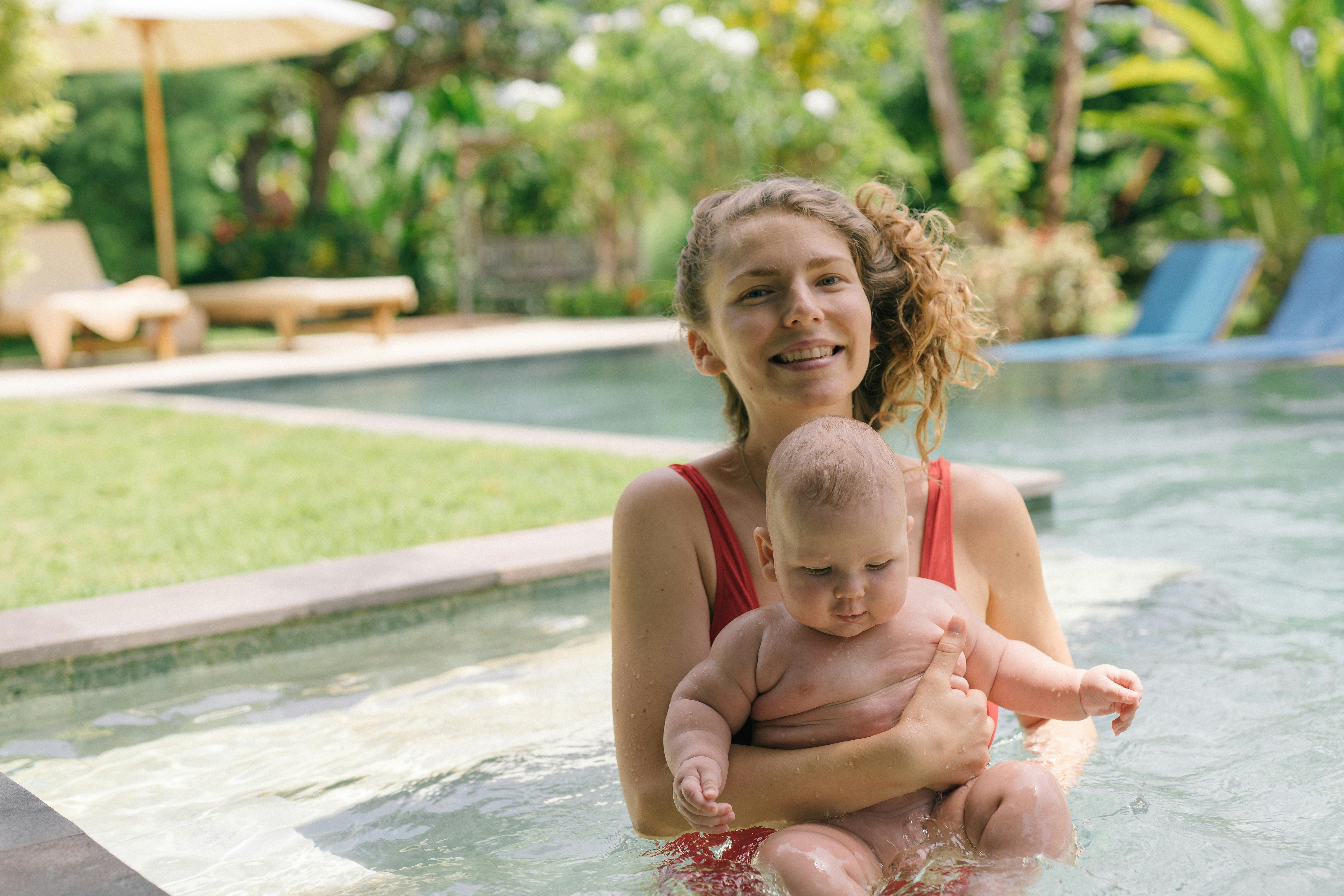
Postnatal Retreat vs. Luxury Spa: What New Mothers Actually Need
Discover why a dedicated postnatal retreat offers the clinical and emotional support a luxury spa cannot. Explore the Amarta Method for total fourth-trimester recovery.
The transition into motherhood, often referred to as the fourth trimester, is a period of profound physiological and emotional upheaval. While a day at a luxury spa is a frequent recommendation for tired new mothers, the medical and restorative requirements of postpartum recovery extend far beyond a standard massage or facial. A dedicated postnatal retreat is designed to address the complex needs of this life stage, providing a clinical and holistic framework that a traditional wellness resort simply cannot match. This guide explores the critical differences between these two options, helping you understand why specialized care is essential for long-term maternal health.
The Clinical Necessity of a Specialized Postnatal Retreat
Unlike a standard wellness destination, a postnatal retreat focuses on the specific medical and biological realities of the weeks following childbirth.
24/7 Clinical Monitoring and Support
The postpartum body is in a state of active, vulnerable healing: uterine involution, tissue repair, hormonal recalibration, and the establishment of lactation. Complications can emerge suddenly and present subtly—a low-grade fever signaling infection, a gradual decline in milk supply, a creeping emotional flatness indicating a mood disorder. A specialized postnatal retreat provides 24/7 clinical monitoring by qualified midwives, ensuring that early signals are caught before they escalate into acute crises. A luxury spa, by contrast, operates on a treatment schedule; between appointments, the mother is effectively on her own, regardless of what may be unfolding physiologically.
Expert-Led Pelvic Floor Rehabilitation
The pelvic floor endures extraordinary loading during pregnancy and significant trauma during delivery, whether vaginal or surgical. Clinical rehabilitation is not a luxury; it is the foundation of long-term pelvic health. A postnatal retreat like Amarta Nurtura provides specialist pelvic floor physiotherapy—assessment for diastasis recti, hypertonicity, and weakness, followed by a targeted rehabilitation protocol. This is precision clinical intervention that prevents the cascade of incontinence, prolapse, and chronic pain that affects so many mothers years after birth. A spa may offer a generic 'postnatal massage,' but it cannot deliver the clinical rehabilitation that this critical phase demands.
Structured Lactation and Breastfeeding Guidance
Feeding is one of the most stressful aspects of the early postpartum period, and inadequate support is a primary driver of both physical and emotional distress. A postnatal retreat provides access to IBCLC-certified lactation consultants who deliver real-time, evidence-based support—addressing latch, supply, mastitis prevention, and alternative feeding strategies. This level of expertise is rarely available at a spa, where staff are trained in hospitality, not in the clinical complexities of infant feeding. The difference between a sustainable feeding relationship and a crisis is often a matter of timely, expert intervention—and that intervention is the domain of a clinical retreat, not a wellness resort.
Why a Luxury Spa Falls Short for Postpartum Recovery
While luxury spas offer relaxation, they often lack the specialized knowledge required to handle the vulnerabilities of a postpartum body.
The Risk of Non-Specialized Postnatal Massage
Generic postnatal massage, delivered without clinical understanding of the postpartum body, carries real risks. A therapist unfamiliar with postpartum physiology may apply pressure inappropriate for healing tissue, overlook contraindications related to surgical delivery, or fail to recognize signs of complications. At Amarta Nurtura, postpartum bodywork is delivered by practitioners trained specifically in postpartum anatomy and integrated with the clinical team's assessment of the mother's recovery status. The difference between a spa massage and clinical postpartum bodywork is the difference between pleasure and therapy—and in the fourth trimester, that difference matters.
Lack of Targeted Nutritional Support
Postpartum nutritional requirements exceed those of pregnancy in several critical areas: tissue repair demands high-quality protein and zinc; lactation requires an additional 500 calories and elevated micronutrient intake; hormonal stabilization depends on specific omega-3 profiles. A spa kitchen, however accomplished, is not typically designed to meet these precise clinical demands. A postnatal retreat employs clinical nutritionists who design every meal to serve the specific physiological stage of recovery—supporting tissue repair, lactation, and hormonal stabilization through food that is also a sensory pleasure. This is nutrition as clinical intervention, not nutrition as hospitality.
Short-term Relaxation vs. Long-term Healing
The fundamental distinction between a spa and a postnatal retreat is temporal. A spa provides short-term relaxation—a transient reduction in stress hormones that dissipates within hours of departure. A postnatal retreat provides the conditions for long-term healing—a sustained period in a parasympathetic-dominant state that allows tissue repair, hormonal rebalancing, pelvic rehabilitation, and emotional processing to unfold over the biological timeline they require. Recovery from birth is not a single-day event; treating it as one is a clinical category error.
The Amarta Method: A Holistic Approach to the Fourth Trimester
The Amarta Method distinguishes itself through a proprietary methodology that blends clinical evidence with traditional wisdom.
Integrating Western Clinical Standards
The clinical foundation of the Amarta Method meets or exceeds Western clinical standards: 24/7 midwifery care, specialist pelvic floor physiotherapy, IBCLC lactation consulting, clinical nutritional protocols, and routine mental health screening. This is the level of clinical rigor one would expect from a postnatal ward, delivered within the comfort of a private luxury villa. The integration of these standards ensures physical safety and measurable progress—the non-negotiable foundation upon which the holistic dimensions of the method are built.
The Power of Balinese Healing Rituals
Around the clinical core, the Amarta Method integrates traditional Balinese healing practices: Jamu herbal medicine, Boreh warming body wraps, traditional postpartum massage, and Bengkung belly binding. These rituals, refined over centuries, address the energetic and spiritual dimensions of matrescence—dimensions that purely clinical approaches consistently miss. The synthesis of clinical and traditional creates a recovery experience that is both medically sound and deeply restorative in ways that transcend the purely physical. A spa may borrow aesthetic elements of these traditions; the Amarta Method applies them with clinical supervision and authentic lineage.
Personalized Recovery Roadmaps
No two postpartum recoveries are identical. The Amarta Method produces a personalized recovery roadmap for each mother, calibrated to her birth experience, recovery status, personal goals, and risk factors. This roadmap is not a static document but a living protocol, adjusted in real time by the multidisciplinary team as the recovery progresses. A spa offers a menu of treatments; a postnatal retreat offers a clinical trajectory—and the difference is the difference between consumer choice and medical care.
Emotional and Mental Sanctuary Beyond the Treatment Room
Postpartum wellness is as much about psychological health as it is about physical repair, requiring a safe space for emotional processing.
Addressing Postpartum Depletion and Burnout
Postpartum depletion—the cumulative exhaustion of physical, emotional, and nutritional reserves—develops gradually and often goes unrecognized until it has significantly eroded a mother's capacity. A postnatal retreat addresses depletion proactively: protected sleep, clinical monitoring of energy markers, targeted nutrition, and the complete offloading of domestic and logistical demands. The environment itself is designed to support nervous system regulation, allowing the body to shift from the sympathetic dominance of survival mode into the parasympathetic state where genuine recovery occurs. A spa cannot address depletion; it can only offer temporary respite from it.
Creating Space for Mother-Baby Bonding
The early postpartum period is the critical window for establishing the mother-infant bond, but the demands of domestic life frequently intrude on this process. A postnatal retreat creates protected space for bonding—with newborn care support that allows the mother to focus on connection rather than logistics, and an environment free of the distractions and demands that fragment attention at home. This protected space is not a luxury; it is a clinical intervention with long-term implications for attachment, emotional regulation, and family dynamics.
Psychological Support for the Maternal Identity Shift
Matrescence—the developmental transition into motherhood—is as significant as adolescence, yet receives a fraction of the attention. The Amarta Method integrates psychological support as a core component: routine mental health screening, structured counseling for processing the birth experience, and somatic practices for nervous system regulation. The goal is not merely the absence of postpartum depression, but the active cultivation of emotional resilience and identity integration. A spa may offer a relaxing environment, but it does not provide the structured psychological support that this profound identity transition requires.
Partner Integration: A Family-Centric Recovery Model
A true postnatal retreat recognizes that the transition to parenthood involves the whole family, offering programs for partners that spas do not.
Educating Partners on Postpartum Care
A partner who understands the physiological and emotional realities of postpartum recovery is a far more effective support. The Amarta Method includes structured partner education: the biology of recovery, practical infant care skills, recognition of mood disorder signs, and co-parenting alignment. This education transforms the partner from a well-meaning but unprepared bystander into an informed, capable member of the recovery team. A spa may accommodate a partner; a postnatal retreat actively educates and integrates them.
Shared Rituals for New Parents
Recovery is not solely the mother's project; it is a family transition. The Amarta Method includes shared rituals for new parents—experiences designed to mark the transition, strengthen the partnership, and create shared meaning around the arrival of a child. These shared experiences build the relational foundation that will support the family for years, a dimension entirely absent from the individualistic focus of a spa experience.
Building a Sustainable Support System at Home
The transition home is the most vulnerable moment of the postpartum journey. The Amarta Method includes a comprehensive discharge plan: identified local resources, continued care protocols, realistic expectations, and a structured support schedule for the first weeks at home. The goal is to prevent the sudden drop in support that typically precipitates depletion, ensuring a gentle re-entry into domestic life. A spa sends you home relaxed; a postnatal retreat sends you home equipped.
Why Ubud, Bali is the Global Gold Standard for Postnatal Healing
The natural environment and cultural heritage of Ubud provide a unique backdrop that enhances the effectiveness of a postnatal retreat.
The Therapeutic Power of Tropical Serenity
Ubud's natural environment—rainforests, rice terraces, and sacred waters—is not merely scenic. Environmental psychology demonstrates that exposure to natural environments reduces cortisol, improves sleep quality, and enhances parasympathetic tone. For a recovering mother, daily immersion in this landscape provides a continuous, passive therapeutic input that supports the active interventions of the recovery protocol. The environment is, in a real clinical sense, part of the treatment—a dimension that no urban or resort spa can replicate.
Ancient Balinese Wisdom on Maternal Care
Balinese culture has, for centuries, treated the postpartum period as a sacred transition requiring specific ritual support. This cultural wisdom—the emphasis on seclusion, warmth, specific nutrition, and energetic integration—aligns with what modern postpartum science now recommends: parasympathetic dominance, anti-inflammatory nutrition, protected rest, and nervous system regulation. Recovering in a culture that collectively understands and validates the significance of the fourth trimester provides a layer of support that is entirely absent in secular, medically-focused environments.
Ubud as a Destination for Slow, Intentional Living
Ubud's broader culture—its emphasis on slow living, mindfulness, and intentional wellness—provides an ideal context for a postpartum retreat. The pace of life supports the deceleration that recovery requires, and the community's collective understanding of wellness creates an environment where a mother's need to rest and heal is not merely accommodated but actively honored. This cultural context is a therapeutic element in itself, one that a commercial spa destination—however luxurious—cannot manufacture.
Conclusion
In the journey of motherhood, the initial months of recovery set the foundation for your future well-being. While a luxury spa provides a temporary escape, a comprehensive postnatal retreat like Amarta Nurtura provides the structural support, clinical expertise, and spiritual nourishment required for a true transformation. By choosing a program dedicated to the fourth trimester, you are not just booking a holiday; you are investing in a healthier, more supported version of yourself and your family. The Amarta Method ensures that every mother leaves our sanctuary in Bali feeling restored, empowered, and ready for the years of parenting ahead.
Explore our comprehensive postnatal retreat programs in the heart of Ubud, book a consultation to learn how the Amarta Method can support your recovery, or compare our retreat stages: from Babymoon to Postpartum and Babycation.
Frequently Asked Questions
What is the difference between a postnatal retreat and a hotel with a spa?
A hotel with a spa offers wellness treatments within a hospitality context; a postnatal retreat offers clinically supervised recovery within a dedicated maternal wellness environment. The distinction is structural: a postnatal retreat provides 24/7 midwifery care, specialist pelvic floor physiotherapy, IBCLC lactation consulting, clinical nutrition, psychological support, and traditional healing rituals—all coordinated under a single framework. A spa provides treatments on a schedule, with no clinical oversight between appointments and no specialization in the unique physiological and emotional demands of the postpartum body.
When is the best time to book a postnatal retreat?
We recommend booking during pregnancy to secure your preferred dates and allow for pre-arrival clinical consultation and planning. The stay itself typically begins within the first few weeks after birth, when structured support has the greatest impact on tissue repair, lactation establishment, and pelvic floor rehabilitation. However, mothers at any stage of the fourth trimester—or beyond—can benefit from a structured recovery retreat, and we tailor the protocol to each mother's specific stage and needs.
Can my partner and older children join me at Amarta Nurtura?
Yes. Our private villas accommodate the entire family, and partner integration is a core component of the Amarta Method. We provide structured partner support including birth processing sessions, practical infant care education, and co-parenting alignment. For older children, our environment and care team can accommodate their needs, allowing mothers to focus on recovery while maintaining family connection. We encourage discussing your specific family situation during your consultation.
What specific medical support is available during a postnatal retreat?
Our medical support includes 24/7 midwifery care, specialist pelvic floor physiotherapy, IBCLC-certified lactation consulting, clinical nutritionist-designed meals and protocols, routine mental health screening and psychological support, and access to our broader network of medical specialists as needed. Every element is coordinated under the Amarta Method framework, ensuring integrated, multidisciplinary care throughout your stay. This is clinical care delivered within a sanctuary setting, not a spa offering incidental wellness treatments.
Ready to begin your restoration journey?
Experience the Amarta Method at our intimate boutique resort in Ubud, Bali.