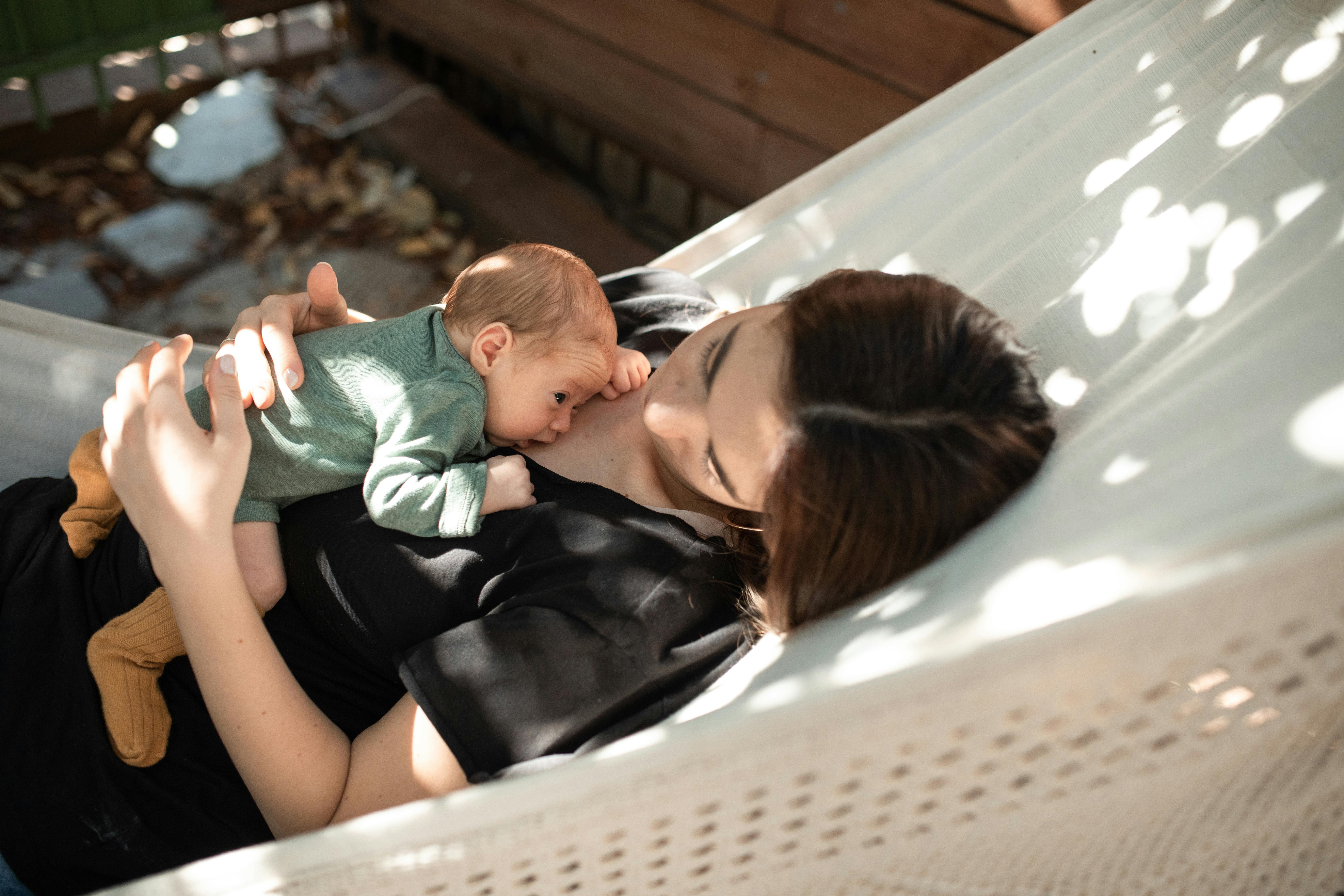
The Partner's Role in Postpartum Recovery: A Luxury Guide
Learn how partners can facilitate clinical recovery and emotional well-being in the fourth trimester. Discover the Amarta Method for partner integration in Ubud.
The arrival of a newborn marks a profound transition, not just for the mother, but for the entire family unit. In the first weeks following birth—often referred to as the 'Sacred Pause'—the partner's role evolves from a supportive observer to a central pillar of the recovery ecosystem. In modern society, the absence of a traditional 'village' often leaves couples overwhelmed; however, at Amarta Nurtura, we believe that the fourth trimester should be a period of deep healing and connection rather than survival. By integrating clinical excellence with Balinese wisdom, partners can transform their support from simple task management into a sophisticated practice of holding space for the mother's physical and emotional rehabilitation.
The Clinical Significance of Partner Advocacy
A partner is the first line of defense in monitoring the mother's physical health during the early days of postpartum recovery. Their role involves a keen awareness of clinical red flags and the facilitation of professional care interventions. At Amarta Nurtura, we equip partners with the knowledge and confidence to serve as effective advocates within the clinical recovery framework.
Monitoring Physical Recovery Cues
The postpartum body communicates its recovery status through a series of physiological signals that an informed partner can learn to recognize and interpret. Lochia patterns—the normal postpartum bleeding that follows birth—should follow a predictable progression from heavy red flow in the first days to lighter, pinkish discharge over subsequent weeks; any return to heavy bright red bleeding, the passage of large clots, or the development of an unusual odor warrants immediate clinical attention. Temperature monitoring is equally significant: a sustained temperature above 38 degrees Celsius may indicate infection and requires prompt professional assessment. Wound observation, whether of a perineal tear or caesarean incision, includes watching for increasing redness, swelling, separation, or discharge. At Amarta Nurtura, our clinical team provides partners with a clear, practical guide to these observations during the orientation session, ensuring that monitoring becomes an intuitive part of the daily rhythm rather than a source of anxiety. The partner's consistent proximity to the mother means they are often the first to notice subtle changes that the mother herself—exhausted, focused on the infant, and perhaps normalizing her own discomfort—might overlook.
Managing the Medication and Rest Schedule
The postpartum medication regimen—whether it involves iron supplementation, pain management, hormonal support, or prescribed herbal preparations—requires consistent timing and dosage to be effective. In the fog of sleep deprivation and the unpredictable demands of a newborn, the mother's capacity to self-manage her medication schedule is often compromised. The partner's role in maintaining this schedule is a genuinely clinical contribution to recovery. At Amarta Nurtura, we provide partners with a structured daily planner that integrates medication timing with rest periods, meal schedules, and clinical appointments, creating a framework that the partner can manage with confidence. Rest management is equally critical: the partner who understands that the mother's sleep architecture has been fundamentally disrupted by pregnancy and birth—and that recovery of deep sleep stages is essential for hormonal rebalancing, tissue repair, and milk production—is equipped to protect sleep opportunities with the seriousness they deserve. This means taking full responsibility for the infant during designated rest periods, managing environmental conditions for optimal sleep quality, and recognizing that a mother who says she cannot sleep may need clinical support rather than simply more time in bed.
Coordinating with Pelvic Floor Specialists
Pelvic floor recovery is among the most clinically significant aspects of postpartum rehabilitation, yet it is frequently deprioritized in the overwhelming landscape of new parenthood. An informed partner understands that pelvic floor dysfunction—ranging from stress urinary incontinence to pelvic organ prolapse—affects a substantial proportion of postpartum women and that early intervention produces significantly better outcomes than delayed treatment. At Amarta Nurtura, our pelvic floor physiotherapist includes the partner in the initial education session, explaining the anatomy and function of the pelvic floor, the impact of pregnancy and birth, and the rehabilitation pathway. This knowledge enables the partner to support the mother's home exercise program, to understand why certain physical activities should be modified or avoided during specific recovery phases, and to encourage attendance at follow-up sessions when the competing demands of infant care might otherwise lead the mother to deprioritize her own rehabilitation. The partner who can say, with understanding rather than instruction, 'I'll take the baby while you do your exercises' is contributing directly to long-term physical health outcomes.
Nurturing the Lactation Journey
Breastfeeding is a physiological process that is significantly influenced by the mother's environment and stress levels. Partners play a critical role in creating the optimal conditions for successful lactation—not through direct involvement in the mechanics of feeding, but through the management of every factor that surrounds it.
Hydration and Nutritional Support
The metabolic demands of lactation are substantial: producing breast milk requires approximately 500 additional kilocalories per day and significantly increased fluid intake, with current guidelines recommending a minimum of three liters daily in temperate climates and more in tropical environments. A breastfeeding mother who is dehydrated or undernourished will experience reduced milk supply, increased fatigue, and impaired recovery—yet the practical reality of caring for a newborn means that eating and drinking regularly often falls to the bottom of the mother's priorities. The partner's role in maintaining consistent nutrition and hydration is one of the most impactful contributions to breastfeeding success. At Amarta Nurtura, our culinary team provides structured meal and snack schedules designed specifically for lactating mothers, and partners are educated on the importance of ensuring these meals are consumed rather than skipped. Practically, this means delivering water and snacks to the mother during feeding sessions, ensuring meals are warm and ready at designated times, and understanding which foods and preparations in our menu specifically support milk production—moringa, fenugreek, oats, and the traditional Balinese galactagogues that form part of our clinical nutrition protocol.
The Logistics of Comfortable Positioning
The physical setup of each breastfeeding session has a direct impact on the mother's comfort, the effectiveness of the infant's latch, and the prevention of complications such as nipple damage, blocked ducts, and mastitis. A partner who understands the basics of positioning—the importance of the mother's spine being supported, her shoulders relaxed rather than hunched, the infant brought to the breast rather than the breast to the infant, and the availability of appropriate pillows and supports—can make a meaningful difference to the feeding experience. At Amarta Nurtura, our lactation consultants demonstrate positioning techniques to both the mother and partner, ensuring that the partner can assist with setup when the consultant is not present. This is particularly valuable during night feeds, when exhaustion makes it difficult for the mother to arrange herself and the infant optimally, and a partner who can quietly and competently assist with positioning transforms a potentially distressing experience into a manageable one. Our villa furnishings include specifically designed nursing chairs and cushion systems that the partner can learn to configure for different feeding positions.
Recognizing Signs of Effective Latching
An informed partner who can observe a feeding session and distinguish between effective and ineffective latching contributes significantly to early identification of problems before they escalate. The signs of effective latching are observable: the infant's mouth is wide open with flanged lips, the chin is pressed into the breast, rhythmic sucking is interspersed with audible swallowing, and the mother reports a tugging sensation rather than pain. Conversely, clicking sounds, the infant slipping off repeatedly, compressed or misshapen nipples after feeding, and maternal pain that persists beyond the initial latch are indicators that adjustment is needed. At Amarta Nurtura, our International Board Certified Lactation Consultants educate partners on these observations during the early feeding sessions, providing a practical framework that enables the partner to offer informed reassurance when feeding is going well and to suggest seeking professional support when it is not. This shared observational capacity reduces the mother's isolation in the breastfeeding experience and distributes the cognitive load of monitoring feeding effectiveness across both parents.
Protecting the Sacred Pause Through Boundary Setting
The first weeks require a sheltered environment to allow the mother's nervous system to recalibrate. Partners act as the gatekeepers of the family's energy and privacy, and this protective function is among the most valuable contributions a partner can make to postpartum recovery.
Managing Digital and Physical Visitors
The desire of extended family and friends to meet the new baby is natural and well-intentioned, but the impact of visitors on the postpartum mother is frequently underestimated—by the visitors, by the mother herself, and sometimes by the partner. Each visitor interaction requires the mother to engage socially, to modulate her appearance and emotional presentation, to share physical space, and to manage the infant's needs in the presence of an audience. The cumulative effect is a significant drain on the energy reserves that should be directed toward recovery. The partner's role as gatekeeper—managing communication, setting visiting schedules that align with the mother's energy patterns, limiting visit duration, and, crucially, being willing to say 'not today' on the mother's behalf—is a form of active protection that many partners underestimate in its importance. At Amarta Nurtura, the sanctuary environment provides a natural boundary: the retreat setting establishes an implicit expectation that the family is engaged in a structured recovery program, making it socially easier for partners to defer visitors and manage digital communication without the relational friction that often accompanies boundary-setting at home.
Curating a Low-Stimulus Environment
The postpartum nervous system operates in a state of heightened alertness—an evolutionary adaptation that increases the mother's sensitivity to her infant's cues but simultaneously lowers the threshold at which environmental stimuli become overwhelming. Bright artificial lighting, loud or unpredictable sounds, strong fragrances, temperature fluctuations, and the visual clutter of an untidy space each contribute to sympathetic nervous system activation that impairs the parasympathetic dominance essential for recovery, milk production, and emotional regulation. The partner who understands this neurobiological reality can take practical steps to curate the sensory environment: maintaining soft, warm lighting; managing household sounds; ensuring the bedroom is cool, dark, and quiet during rest periods; and keeping living spaces orderly and calm. At Amarta Nurtura, our luxury villas are designed with these principles embedded in the architecture and interior design—natural materials, filtered light, water features that provide consistent ambient sound, and the visual tranquility of tropical gardens—but the partner's active participation in maintaining this low-stimulus environment within the villa amplifies its therapeutic effect.
Prioritizing Maternal Sleep Cycles
Sleep deprivation is the single most corrosive factor in postpartum recovery, affecting hormonal rebalancing, tissue repair, immune function, milk production, mood regulation, and cognitive performance. The fragmented sleep pattern imposed by newborn feeding schedules is biologically unavoidable, but its impact can be mitigated through strategic sleep management—and this is where the partner's contribution is most directly measurable. The concept of 'split shifts,' in which each parent takes primary responsibility for the infant during designated periods while the other sleeps without interruption, is the most effective evidence-based strategy for managing postpartum sleep deprivation. At Amarta Nurtura, our clinical team works with couples to design sleep management plans that maximize the mother's opportunity for consolidated rest while ensuring the infant's needs are met. Partners are educated on the distinction between light sleep and deep restorative sleep, the importance of protecting sleep blocks of at least three to four hours to allow completion of full sleep cycles, and practical techniques for settling the infant independently during the mother's designated rest periods. Our infant care specialists provide hands-on support during the partner's solo care periods, building confidence and competence in a supported environment.
The Amarta Method: Partner Integration in Ubud
At our sanctuary in Bali, we don't just treat the mother; we integrate the partner into the Amarta Method to ensure the family unit leaves stronger and more connected.
Participating in Balinese Healing Rituals
Balinese culture recognizes that the birth of a child transforms not just the mother but the entire family, and the traditional rituals that mark this transition are designed for collective participation. At Amarta Nurtura, partners are invited to participate in adapted Balinese healing rituals that honor the transition to parenthood as a shared experience. The melukat water blessing ceremony—conducted by a Balinese priest at a sacred spring—can include both parents and the newborn, providing a symbolic marking of the family's new beginning. Partners may also participate in traditional offering-making ceremonies, learning the meditative practice of creating canang sari as a form of mindful engagement with the Balinese spiritual tradition. These experiences are offered with complete respect for each family's own cultural and spiritual background; participation is always optional, and our team provides cultural context that allows partners to engage meaningfully regardless of their prior familiarity with Balinese traditions. Many partners describe these rituals as unexpectedly powerful—a formal acknowledgment of the magnitude of the transition they are experiencing, offered within a cultural framework that takes parenthood seriously as a spiritual event.
Guided Partner Bonding Sessions
The early weeks of parenthood present a paradox: at the moment when the parental bond should be deepening, the practical demands of newborn care, the mother's physical recovery, and the mutual exhaustion of sleep deprivation can create emotional distance between partners. At Amarta Nurtura, guided bonding sessions facilitate intentional connection between partners within the sanctuary environment. These sessions, led by our perinatal wellness practitioners, create structured space for partners to process the birth experience together, to articulate their hopes and concerns for the coming months, and to develop communication strategies that will sustain their relationship through the intensity of early parenthood. Skin-to-skin bonding sessions with the infant are facilitated for both parents, ensuring that the partner's attachment to the newborn is nurtured alongside the mother's. Partner massage techniques are taught, providing the partner with a practical skill for offering physical comfort and connection that can continue long after the sanctuary stay. These sessions recognize that the partner's emotional experience of new parenthood—often overshadowed by the focus on the mother's recovery—deserves attention and support in its own right.
Learning Infant Care in a Luxury Setting
For many partners, particularly first-time parents, the practical skills of infant care—bathing, settling, nappy changing, reading hunger and sleep cues, safe sleep positioning—are unfamiliar territory that can generate significant anxiety. At Amarta Nurtura, our infant care specialists provide hands-on education in a supportive, unhurried environment that allows partners to develop confidence and competence at their own pace. Learning these skills within the sanctuary setting—rather than in the pressured, unsupported environment of home—means that mistakes are met with gentle guidance rather than crisis, and competence is built progressively through practice with expert backup available. Partners leave the sanctuary not merely willing to participate in infant care but genuinely skilled and confident, equipped to share the practical load of parenting as equal participants rather than anxious assistants. This investment in partner competence has measurable downstream effects: research consistently demonstrates that partner confidence in infant care is a significant predictor of maternal mental health outcomes, relationship satisfaction, and sustained breastfeeding.
Emotional Holding and the 'Baby Blues' Transition
The hormonal shift after birth is a seismic event that requires patient, empathetic emotional support. Understanding the difference between normal transitions and clinical needs is vital for every partner.
Normalizing the Emotional Rollercoaster
The hormonal cascade that follows birth—the precipitous decline in progesterone and estrogen, the surge of prolactin and oxytocin, the fluctuation of cortisol in response to sleep disruption—creates an emotional landscape of extraordinary volatility. Up to 80 percent of new mothers experience what is commonly called the 'baby blues': weepiness, irritability, anxiety, and mood swings that typically peak around the fourth or fifth day postpartum and resolve within two weeks. For the partner, witnessing the mother's emotional distress can be alarming, particularly when it contrasts with the expectation of joy that surrounds a new birth. At Amarta Nurtura, our perinatal mental health practitioners provide partners with a clear framework for understanding the neurobiological basis of postpartum mood fluctuation, normalizing the experience without dismissing it, and distinguishing between the expected emotional turbulence of the baby blues and the more persistent, severe symptoms that may indicate a clinical mood disorder requiring professional intervention.
Active Listening and Validation Techniques
The most effective emotional support a partner can provide during the postpartum period is, counterintuitively, not the offering of solutions but the practice of genuine, patient listening. The mother who is processing the enormity of her birth experience, the disorientation of her changed identity, and the physical discomfort of recovery needs a partner who can hold space for her emotions without rushing to fix them. Active listening—maintaining eye contact, reflecting back what the mother has expressed, asking open-ended questions that invite further sharing, and resisting the impulse to minimize or redirect—communicates that her emotional experience is valid and valued. Validation does not mean agreement with every expression of distress; it means acknowledging that the feelings are real, understandable, and worthy of attention. At Amarta Nurtura, our wellness practitioners model these communication techniques during couple sessions, providing partners with practical skills that transform their supportive presence from well-intentioned but clumsy to genuinely therapeutic.
Identifying Signs of Postpartum Mood Disorders
While the baby blues are a normal and self-limiting postpartum experience, an estimated 10 to 20 percent of mothers develop clinical postpartum mood disorders—including postpartum depression, anxiety, and, rarely, postpartum psychosis—that require professional treatment. The partner's role in early identification is critical, as mothers experiencing these conditions frequently lack the insight or energy to seek help independently. Warning signs that differentiate clinical conditions from normal adjustment include: persistent low mood or anxiety that does not improve after two weeks postpartum; inability to sleep even when the infant is settled; loss of interest in the baby or intrusive thoughts of harm; withdrawal from the partner and other support figures; significant changes in appetite; expressions of hopelessness, guilt, or inadequacy that are disproportionate to circumstances; and, in the case of psychosis, confusion, disorientation, paranoia, or hallucinations. At Amarta Nurtura, our clinical screening protocol identifies mothers at elevated risk during the admission assessment, and partners are educated on the specific signs that should prompt immediate clinical consultation. Our perinatal mental health practitioners are available for both scheduled and urgent consultations, ensuring that clinical support is accessible without delay when concerns arise.
The Logistics of a Luxury Postpartum Retreat
Choosing a dedicated sanctuary like Amarta Nurtura allows partners to step away from domestic burdens and focus entirely on their new role and their partner's healing.
Removing the Friction of Domestic Tasks
The invisible labour of domestic management—cooking, cleaning, laundry, grocery shopping, household maintenance, bill payment, appointment scheduling—consumes a staggering proportion of a new parent's cognitive and physical energy. In the home environment, even the most willing partner often finds themselves overwhelmed by the simultaneous demands of infant care, maternal support, and household operation. The fundamental advantage of a luxury postpartum retreat is the complete removal of domestic friction: meals are prepared by our culinary team, villa maintenance is managed by our housekeeping staff, and the logistical coordination of clinical appointments, therapeutic sessions, and daily scheduling is handled by our guest experience team. This liberation from domestic tasks is not a luxury in the indulgent sense—it is a clinical intervention that redirects the partner's finite energy toward the activities that genuinely support recovery: monitoring the mother's health, facilitating rest and nutrition, providing emotional support, bonding with the infant, and investing in the skills and knowledge that will serve the family after departure.
Access to 24/7 Expert Support
The anxiety of new parenthood is significantly amplified by uncertainty—the 3 a.m. question about whether the baby's breathing pattern is normal, the worry about whether the mother's bleeding has increased, the doubt about whether the infant is getting enough milk. In the home environment, these anxieties fester until morning or escalate into unnecessary emergency presentations. At Amarta Nurtura, our 24-hour clinical availability means that questions are answered and concerns assessed in real time, by practitioners who know the mother's clinical history and the infant's baseline presentation. For the partner, this continuous access to expert reassurance transforms the overnight experience from one of isolated vigilance to one of supported confidence. Our night team is available for both clinical consultations and practical support—assisting with feeding, settling a distressed infant, or simply providing reassurance to a worried parent—ensuring that the partner's sleep, too, is protected by the knowledge that expert help is always within reach.
Building a Sustainable Foundation for Home
The value of a postpartum retreat is measured not only by the quality of the stay but by the sustainability of the recovery gains after departure. At Amarta Nurtura, our programs include comprehensive discharge planning that equips the partner with the knowledge, skills, and resources needed to continue supporting the mother's recovery in the home environment. This includes a written recovery plan covering nutrition, exercise, sleep management, and emotional wellbeing milestones; practical skills in infant care, feeding support, and environmental management that have been practiced and refined during the stay; clear guidelines on clinical indicators that warrant professional consultation; and connections to community resources, online support networks, and specialist practitioners in the family's home location. The partner who leaves Amarta Nurtura is not merely rested—they are educated, confident, and equipped with a structured framework for supporting continued recovery that extends the benefits of the sanctuary experience across the entire fourth trimester and beyond.
Conclusion
Postpartum recovery is not a journey meant to be walked alone. For the modern family, the first weeks after birth are an investment in the long-term health of the mother and the stability of the parental bond. By embracing a structured, clinical, and holistic approach to support—such as the one offered through the Amarta Method in the heart of Ubud—partners can ensure that the fourth trimester becomes a period of luxury, legacy, and profound healing. Whether through advocacy, emotional presence, or the simple act of protecting a mother's rest, the partner's contribution is the cornerstone of a successful transition into parenthood.
Frequently Asked Questions
What is the Amarta Method for partner involvement?
The Amarta Method for partner involvement is our integrated approach to including the partner as an active participant in the postpartum recovery process. Rather than treating the partner as a visitor or observer, our clinical and wellness teams provide structured education, hands-on skills training, and guided bonding experiences that equip the partner to serve as an effective advocate for the mother's recovery. This includes clinical orientation on postpartum health monitoring, lactation support education, infant care skills training, participation in Balinese healing rituals, and guided couple sessions that strengthen communication and emotional connection. The method recognizes that the partner's competence and confidence directly influence the mother's recovery outcomes and the family's long-term wellbeing.
Can partners stay overnight at the Amarta Nurtura sanctuary?
Yes, absolutely. Our luxury villas are designed to accommodate the family unit, and partners are explicitly welcomed as full participants in the recovery experience. Each villa provides private, spacious accommodation for both the mother and partner, with the infrastructure to support shared and independent rest periods. Partners have full access to the culinary program, wellness facilities, and the resort's therapeutic landscape. The villa environment is designed to support the partner's own restoration alongside the mother's clinical recovery, recognizing that the partner's wellbeing is integral to the family's overall health during this transformative period.
How does a postpartum retreat differ from a standard luxury hotel for new parents?
A postpartum retreat provides a fundamentally different experience from a luxury hotel, even one that is accommodating of families. The distinction lies in clinical integration: at Amarta Nurtura, every element of the environment—the nutrition, the daily schedule, the villa design, the staff expertise—is specifically configured to support postpartum recovery. On-site clinical monitoring by qualified practitioners, International Board Certified Lactation Consultants, pelvic floor physiotherapists, perinatal mental health specialists, and infant care experts provide a level of professional support that no hotel can offer. The programming is structured around evidence-based recovery protocols adapted to each mother's individual presentation, not generic wellness activities. For the partner, the difference is equally significant: rather than navigating new parenthood in an unfamiliar environment without support, the partner receives education, skills training, and ongoing guidance from a team that specializes exclusively in the postpartum period.
What specific Balinese rituals are included for partners?
Partners are invited to participate in several traditional Balinese practices adapted for the postpartum context. The melukat water blessing ceremony—a purification ritual conducted by a Balinese priest at a sacred water source—can include both parents and the newborn, marking the family's new beginning within the Balinese spiritual framework. Partners may participate in canang sari offering-making, a meditative practice that provides a contemplative space for processing the transition to parenthood. Traditional Balinese massage and bodywork are available to partners, addressing the physical tension and fatigue that accompany the demands of supporting a new mother. All ritual participation is entirely optional and presented with full cultural context and respect for each family's own spiritual and religious traditions. Our team ensures that partners can engage meaningfully with these practices regardless of their prior exposure to Balinese culture.
Ready to begin your restoration journey?
Experience the Amarta Method at our intimate boutique resort in Ubud, Bali.