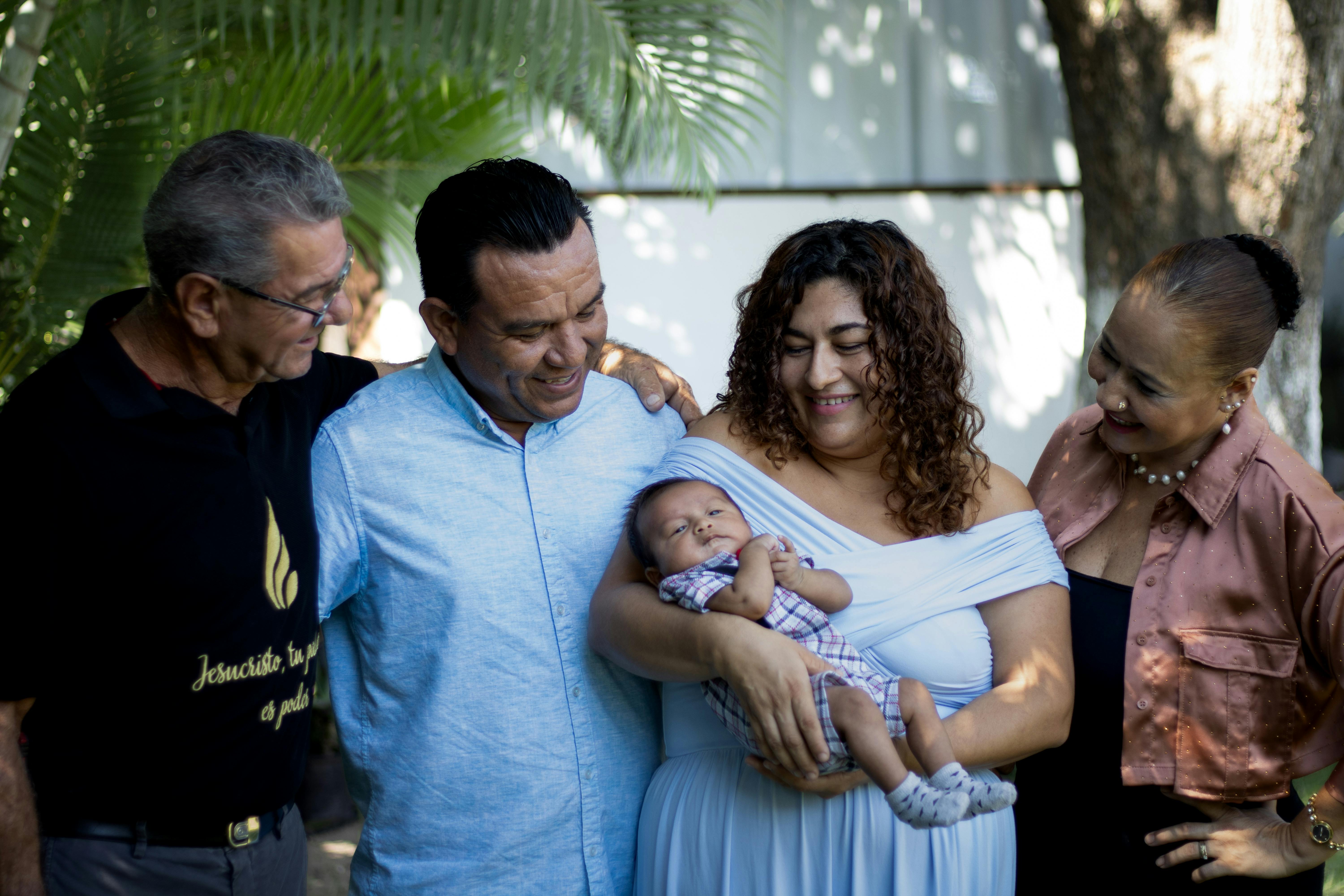
The Partner's Guide to Postpartum Recovery: Support at a Luxury Sanctuary
Learn how partners can support postpartum recovery in the first weeks. Explore the Amarta Method in Ubud, combining clinical care with Balinese healing for families.
The transition into the fourth trimester is often described as a 'sacred pause,' a time where the physical demands of clinical recovery meet the profound emotional shift of new parenthood. For the partner, this period is not merely supportive but foundational to the long-term health of the mother and the newborn. At Amarta Nurtura in Ubud, we view the partner as an integral component of the healing ecosystem, moving beyond the traditional 'helper' role into a primary guardian of the recovery space. By understanding the nuances of physiological healing and the emotional architecture of the early weeks, partners can transform the postpartum experience from one of survival to one of deep, restorative connection.
Redefining the Partner's Role Through the Amarta Method
The Amarta Method prioritizes a holistic integration of the family unit, ensuring that recovery is not an isolated experience for the mother. We move away from generic advice to provide a structured approach to clinical and emotional support that positions the partner as an active agent of healing rather than a passive bystander.
The Science of Co-Regulation
The nervous system of a postpartum mother is acutely attuned to the emotional state of those closest to her. Co-regulation — the biological process by which a regulated nervous system helps calm a dysregulated one — means that a partner's own calm, grounded presence directly lowers the mother's cortisol levels and supports her parasympathetic recovery. This is not metaphor; it is measurable physiology. Partners who arrive at Amarta Nurtura with an understanding of co-regulation become powerful therapeutic tools in their own right.
Bridging Clinical Care and Balinese Tradition
The Amarta Method sits at the intersection of evidence-based postnatal medicine and Balinese ancestral healing. For partners, this dual framework provides a rich vocabulary for support: from assisting with clinical physiotherapy exercises to participating in traditional jamu preparation and ceremonial practices that honor the family's transformation. Understanding both registers deepens the partner's ability to be genuinely present.
Establishing the Sacred Pause in Ubud
Creating a protective container around the mother's recovery is one of the partner's most critical functions. In the home environment, this is complicated by domestic demands, family expectations, and logistical noise. At Amarta Nurtura, the sacred pause is architecturally and socially reinforced — and partners learn, through lived experience, what this container feels and looks like, so they can reconstruct it upon returning home.
Clinical Support: Assisting Physical Postpartum Rehabilitation
The first weeks require acute attention to the mother's physical healing, from pelvic floor integrity to surgical recovery. Partners play a critical role in monitoring these milestones and facilitating rest.
Supporting Pelvic Floor Rehabilitation
Pelvic floor dysfunction is among the most common and least discussed sequelae of childbirth. Partners who understand the rehabilitation timeline — from initial breath-based deep core reconnection through progressive load-bearing — can actively support the process. This includes managing the domestic environment to minimize premature loading, ensuring the mother is not standing for extended periods, and gently reinforcing rest between physiotherapy sessions.
Monitoring Clinical Recovery Red Flags
Hospital discharge occurs remarkably early in most healthcare systems, leaving a significant window of clinical vulnerability. Partners trained in postpartum recovery red flags — abnormal bleeding patterns, signs of infection, hypertensive symptoms, wound dehiscence in C-section mothers — become the first line of clinical observation. At Amarta Nurtura, our multidisciplinary team provides partners with a structured clinical education module covering these indicators in clear, actionable terms.
Managing the Logistics of Physical Therapy
Consistent attendance at daily physiotherapy sessions is one of the highest-value investments in long-term maternal health. Partners can actively support this by managing newborn care during sessions, ensuring the mother is nourished and hydrated before treatment, and creating a calm post-therapy environment that allows the body to integrate the work. These logistical contributions are profoundly clinical in their impact.
The Emotional Architecture: Holding Space and Managing the Mental Load
Emotional recovery is as vital as physical healing. Partners act as the 'gatekeepers' of the sanctuary, protecting the mother's peace and managing the external pressures of the fourth trimester.
Navigating Hormonal Fluctuations with Compassion
The hormonal landscape of the first two weeks postpartum is one of the most dramatic in human physiology. Oestrogen and progesterone drop precipitously within 24 hours of delivery. Oxytocin surges are countered by cortisol spikes triggered by sleep deprivation and the unfamiliarity of newborn demands. Partners who understand this biology approach emotional volatility with clinical compassion rather than interpersonal reactivity — a distinction that meaningfully changes the mother's healing environment.
Assuming the 'Chief of Operations' Role
In the early weeks, the mother's singular focus should be recovery and bonding. Every cognitive unit devoted to logistics — scheduling, communication, household management, visitor coordination — is a unit diverted from healing. The partner's assumption of a comprehensive 'Chief of Operations' role is not a temporary domestic arrangement; it is a clinical intervention. At Amarta Nurtura, we support partners in building sustainable operational frameworks that can be maintained beyond the retreat stay.
Protecting the Bonding Environment
The quality of the early mother-infant bond has lifelong implications for the child's neurological development and the mother's postpartum mental health. Partners protect this environment by managing the volume and nature of external contact, creating consistent daily rhythms that support the mother's milk supply and sleep architecture, and ensuring that the physical space remains calm, warm, and low-stimulus. This is guardianship as care.
Lactation and Feeding: The Partner's Essential Involvement
While the physical act of breastfeeding or chestfeeding is maternal, the success of the journey often depends on the partner's proactive involvement and environmental management.
Practical Assistance During Feeding Sessions
Feeding a newborn is a full-body activity for a postpartum mother. Partners can meaningfully assist by ensuring optimal positioning support — providing pillows, adjusting lighting, bringing water — and by managing the newborn during the often-prolonged early sessions when latch establishment is being practiced. This physical scaffolding reduces the exhaustion burden on the mother during the most demanding feeding phase.
Ensuring Optimal Maternal Nutrition and Hydration
Milk production is energetically expensive. A breastfeeding mother requires approximately 500 additional calories per day and substantially increased hydration. Partners who take ownership of maternal nutrition — preparing nourishing meals, ensuring water is always accessible during feeds, monitoring food quality — directly support milk volume and the mother's energy reserves. At Amarta Nurtura, our clinical nutritionist works with both partners to design sustainable nutritional practices for the home environment.
Managing the Nighttime Feeding Rhythm
Sleep deprivation is the primary driver of postpartum mental health deterioration. Partners can significantly mitigate this by managing the nighttime feeding rhythm: assisting with newborn settling after feeds, taking responsibility for nappy changes and winding, and identifying windows where the mother can access longer sleep segments. A structured approach to nighttime care — rather than reactive exhaustion — preserves the cognitive and emotional resources both parents need.
Integrating Balinese Healing Rituals into Daily Recovery
Our sanctuary in Bali offers unique cultural healing modalities that partners can participate in to deepen the bond and honor the family's transformation into parenthood.
Participating in Traditional Cleansing Ceremonies
Balinese melukat — water purification ceremonies — are traditionally conducted for the entire family following birth. At Amarta Nurtura, we invite partners to participate in these ceremonies as a form of intentional transition marking. From a psychological perspective, ritual participation creates a shared narrative of transformation that strengthens relational bonds and provides a meaningful anchor for the postpartum experience.
Understanding the Role of Jamu and Herbal Support
Jamu — Indonesia's ancient herbal medicine tradition — forms a central pillar of postpartum recovery at Amarta Nurtura. Partners who understand the purpose of each herbal formulation — turmeric for anti-inflammatory support, ginger for digestive motility, galangal for uterine recovery — become active advocates for the mother's daily wellness routine. Our clinical herbalist provides education sessions for partners on the evidence base behind each jamu formula.
Creating a Serene Environment within Your Villa
The physical environment of the villa is a therapeutic tool. Partners who take responsibility for maintaining a calm, ordered, low-stimulus space — managing sound levels, ensuring natural ventilation, keeping the sleeping area cool and dark — directly support the mother's sleep quality and nervous system regulation. At Amarta Nurtura, our villa design team briefs partners on the evidence-based environmental features incorporated into each space and how to optimize them across the day.
Why a Postpartum Retreat Enhances Partner Integration
Choosing a specialized sanctuary like Amarta Nurtura removes the domestic friction that often hinders partner support, allowing the couple to focus entirely on recovery and connection.
Education and Training for Partners
The structured partner education programme at Amarta Nurtura covers infant care fundamentals, maternal recovery stages, the neurobiology of the fourth trimester, communication strategies for the postpartum period, and the science of matrescence. Partners leave with a clinical literacy that transforms their capacity for informed, effective support — and with an understanding of their own psychological transition into parenthood that is rarely acknowledged in conventional postpartum care models.
Luxury Accommodations Designed for Family Bonding
Our three luxury recovery villas are designed with the family unit in mind. Sleeping configurations allow for flexible newborn integration. Private outdoor spaces create safe, contained environments for early family walks and fresh-air feeding sessions. The absence of hotel-style interruption — no housekeeping disruptions, no corridor noise, no shared spaces — creates an unbroken container for early bonding that is genuinely difficult to replicate elsewhere.
Access to a Multidisciplinary Expert Team
At Amarta Nurtura, the partner is not a visitor — they are a participant. Our multidisciplinary team of midwives, pelvic physiotherapists, lactation consultants, clinical nutritionists, and Balinese healing practitioners actively engage partners in clinical discussions, education sessions, and where appropriate, treatment planning. This integration ensures that both members of the couple develop the knowledge and confidence to sustain the recovery environment beyond the retreat stay.
Conclusion
The first weeks of postpartum recovery are a fleeting yet formative window that defines the health trajectory of the mother and the bond of the family. When partners are equipped with the right tools, knowledge, and environment, they become more than just observers; they become active participants in a clinical and spiritual rebirth. Amarta Nurtura offers the ideal setting for this integration, blending the luxury of an Ubud sanctuary with the rigor of medical postpartum care. By choosing a path of intentional support, families ensure that the fourth trimester is a time of profound healing rather than exhaustion.
Explore our partner integration programs, book a consultation to learn how the Amarta Method supports your family's recovery, or discover our luxury villas designed for postpartum seclusion in Ubud. Visit our postpartum recovery FAQs for more information.
Frequently Asked Questions
How does Amarta Nurtura involve partners in the recovery process?
Partners at Amarta Nurtura are treated as active members of the healing team, not visitors. They participate in daily clinical education sessions, receive guidance from our multidisciplinary expert team, and are supported through their own psychological transition into parenthood. Partner integration is a foundational pillar of the Amarta Method rather than an optional addition.
Can partners stay overnight at the postpartum sanctuary?
Yes. Our luxury recovery villas are designed to accommodate the entire family unit. Partners are warmly encouraged to stay for the duration of the retreat, and our overnight accommodation configurations are built around the practical demands of early newborn care. Partners who stay consistently report deeper engagement with the educational programme and a stronger sense of readiness for the transition home.
What kind of clinical education is provided for partners?
Our partner education programme covers infant care fundamentals, maternal recovery milestones, postpartum red flag recognition, the neurobiology of the fourth trimester, lactation support logistics, Balinese healing modalities, and sustainable home routine planning. Sessions are delivered by the same clinical professionals — midwives, physiotherapists, lactation consultants — who are managing the mother's care, ensuring consistency and clinical depth.
How does the Amarta Method differ from a standard baby moon?
A baby moon prioritizes celebration and relaxation; the Amarta Method prioritizes clinical recovery, educational preparation, and long-term wellness. While Amarta Nurtura offers a genuinely luxurious environment, its primary purpose is evidence-based postpartum rehabilitation. The inclusion of pelvic physiotherapy, lactation support, clinical nutrition, and Balinese healing rituals within a structured medical framework distinguishes it categorically from leisure-focused postpartum travel.
Ready to begin your restoration journey?
Experience the Amarta Method at our intimate boutique resort in Ubud, Bali.