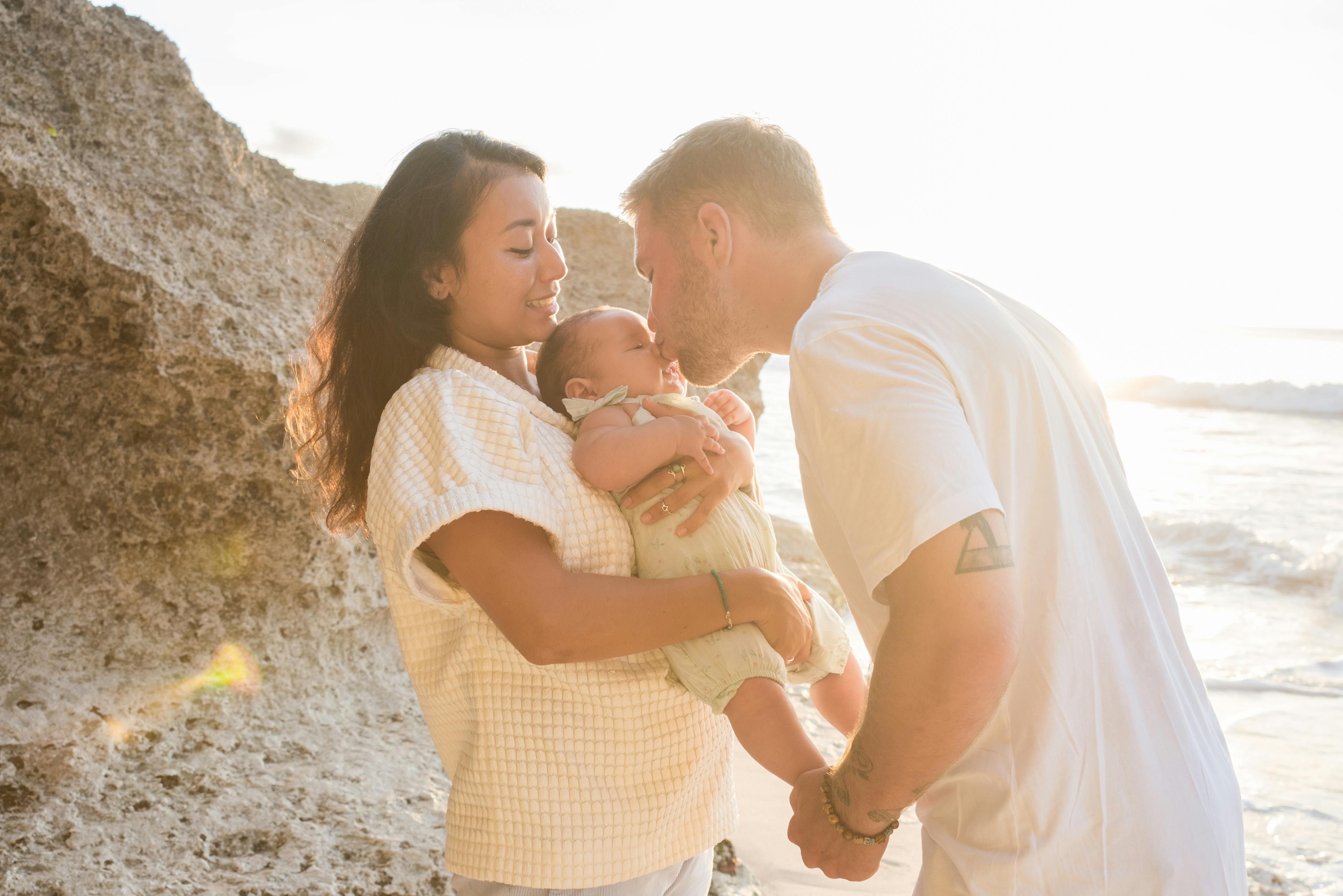
Healing Retreat Bali: Blending Postpartum Science & Balinese Rituals
Discover how a healing retreat in Bali integrates Balinese postpartum healing with modern clinical science for a transformative fourth trimester recovery experience.
The transition into motherhood is a profound biological and spiritual shift, yet modern maternal care often focuses solely on clinical outcomes, leaving the mother's soul and spirit behind. Conversely, traditional practices may lack the physiological precision required for complex modern recoveries. At Amarta Nurtura, we believe the ultimate healing retreat in Bali must bridge this gap. By synthesizing evidence-based postpartum science—such as pelvic floor rehabilitation and nutritional therapy—with centuries-old Balinese postpartum healing rituals, we create a sanctuary for comprehensive restoration. This article explores how these two seemingly disparate worlds harmonize to support the modern mother during the critical fourth trimester.
The Science of the Fourth Trimester Recovery
Understanding the physiological demands of postpartum recovery is the foundation of the Amarta Method, ensuring safety and clinical efficacy.
Hormonal Rebalancing and Physiological Shifts
Oestrogen and progesterone levels drop precipitously within 24 hours of delivery — among the most dramatic hormonal shifts a human body undergoes. This plunge, combined with sleep deprivation and the neurological demands of bonding, creates a period of acute neurobiological vulnerability. Targeted nutritional support, restorative sleep architecture, and low-cortisol environments are not indulgences during this window; they are clinical necessities.
The Role of Pelvic Floor Rehabilitation
The pelvic floor sustains extraordinary mechanical load during pregnancy and childbirth. Modern physiotherapy now recognizes that rehabilitation must begin in the early postpartum days — not weeks — with breath-based deep core reconnection before any progressive loading. Traditional Balinese abdominal binding, when applied correctly under clinical guidance, provides proprioceptive feedback that supports this rehabilitation process and mirrors what contemporary physiotherapy recommends.
Nutritional Science for Lactation and Tissue Repair
Tissue repair after birth requires specific amino acid profiles, zinc, vitamin C, and iron in quantities that exceed normal dietary recommendations. For breastfeeding mothers, the caloric and nutritional demands of milk production add an additional layer of nutritional planning. At Amarta Nurtura, our clinical nutritionist works with Balinese culinary traditions to create a daily menu that serves both sensory pleasure and neurobiological healing.
Traditional Balinese Postpartum Healing Rituals
Balinese culture views the postpartum period as a sacred window requiring specific energetic and physical interventions to restore a mother's 'Bayu' (life force).
The Power of Jamu Postpartum Herbal Medicine
Jamu — Indonesia's ancient herbal drink tradition — provides internal botanical support: anti-inflammatory compounds, digestive support, and uterine toning herbs that have been refined over centuries of maternal use. Specific preparations using turmeric, ginger, and galangal are prescribed according to each mother's presentation, supporting tissue healing and hormonal stabilization.
Boreh Body Wraps: Warming the Womb
Boreh is a traditional Balinese warming body mask made from a blend of ground spices — ginger root, cloves, cinnamon, rice powder, and turmeric — applied to the skin to generate gentle heat and stimulate circulation. In the postpartum context, Boreh supports the elimination of retained fluids, reduces joint inflammation, and creates a deeply grounding sensory experience that signals safety to the nervous system.
Traditional Massage and Lymphatic Drainage
Pijat Kocok — a specific form of Balinese postpartum massage — focuses on uterine involution support through rhythmic abdominal massage techniques. Modern midwifery confirms what traditional healers have long understood: gentle uterine massage in the early postpartum days supports the organ's return to pre-pregnancy dimensions and reduces the risk of retained products.
Why Choose a Healing Retreat in Bali for Postpartum?
Beyond the tropical aesthetics, the environmental factors of Ubud contribute significantly to the downregulation of the nervous system.
Nature as a Co-Regulator in Ubud
Environmental psychology research consistently demonstrates that exposure to natural environments reduces cortisol levels, improves immune function, and promotes the parasympathetic nervous system state optimal for healing. The rice terraces, sacred forests, and tropical gardens of Ubud provide this restorative natural exposure continuously — not as a scheduled excursion but as the ambient backdrop of daily life at the sanctuary.
Cultural Respect for the Mothering Period
In Balinese tradition, the first months after birth are a sacred time of transition — a period in which the mother and child are considered spiritually vulnerable and deserving of community protection and support. This cultural framework naturally aligns with the evidence-based understanding that the fourth trimester requires rest, nourishment, and protection from excessive stimulation.
Access to World-Class Wellness Practitioners
Bali has become a global epicenter for healing arts, attracting practitioners trained in both traditional Indonesian modalities and modern clinical disciplines. A healing retreat in Bali offers access to IBCLC-certified lactation consultants, specialist pelvic floor physiotherapists, and traditional Balinese healing practitioners working in integrated collaboration.
Integrating Clinical Support with Spiritual Sanctuary
A premium healing retreat in Bali should not force a choice between a hospital and a spa; it should be a sophisticated hybrid of both.
Lactation Support Meets Traditional Breast Care
IBCLC-qualified lactation consultants work within a care environment designed to lower the physiological barriers to breastfeeding success. Traditional Balinese breast massage techniques — gentle, warming manipulations that promote lymphatic drainage and stimulate milk flow — complement evidence-based lactation interventions.
Modern Psychology and Postpartum Ritual
The Balinese melukat water purification ceremony provides a powerful framework for the symbolic processing and release of the birth experience. From a somatic psychology perspective, these rituals provide powerful symbolic frameworks for transition, creating meaning and closure that purely clinical approaches cannot offer.
The Amarta Method: A Data-Driven Approach to Tradition
The Amarta Method integrates postpartum physiotherapy assessment with traditional practice. Where previous generations used binding empirically, we apply it diagnostically: physiotherapists assess for diastasis recti and pelvic floor integrity before binding is introduced, ensuring that compression is therapeutic rather than counterproductive.
The Role of the Partner in the Healing Journey
True healing involves the entire family unit, ensuring the partner is integrated into the recovery process rather than sidelined.
Partner Bonding and Support Education
The partner's capacity to provide informed postpartum support is directly proportional to their understanding of what the mother is experiencing physiologically and emotionally. Our structured partner education workshops transform partners from well-meaning bystanders into genuinely effective support agents.
Shared Rituals for Family Cohesion
Skin-to-skin contact, co-regulation through physical proximity, and participatory care are the biological foundations of secure attachment. We design specific partner-led bonding experiences into each stay, creating shared meaning around the family's transformation.
Creating a Sustainable Support System Post-Retreat
The most challenging transition for our guests is not the birth itself — it is the return home. We dedicate the final phase of every stay to discharge planning, building a postnatal network, and creating realistic expectations for the weeks following the Sacred Window.
From Retreat to Reality: Sustaining the Benefits
The goal of any high-end healing retreat in Bali is to equip the mother with tools that transcend her stay at the sanctuary.
Post-Retreat Integration Strategies
Every mother receives a comprehensive departure plan — a documented wellness roadmap that translates the clinical progress achieved during the retreat into a sustainable program for continued recovery at home.
Adapting Balinese Rituals for Home Life
Mothers depart with a personalized continuation guide: a distillation of the nutritional principles, herbal preparations, and daily practices that have been most therapeutically significant during her stay, translated into a format achievable in the context of real life with a new baby.
The Long-Term Impact of a Guided Fourth Trimester
The investment made in early postpartum support pays dividends across decades of both maternal and child health. By ensuring that the physiological window for recovery is optimized through professional support, rest, and nutritional excellence, a healing retreat in Bali contributes to the long-term health trajectory of your entire family.
Conclusion
The marriage of Balinese postpartum healing and modern medical science offers a blueprint for maternal wellness that is both culturally rich and clinically sound. As mothers navigate the complexities of the modern world, the sanctuary provided by a specialized healing retreat in Bali becomes more than a luxury—it becomes a vital investment in the long-term health of the mother and child. At Amarta Nurtura, we invite you to experience the Amarta Method, where ancient wisdom meets modern evidence to honor your journey into motherhood. By choosing a path that respects both the body's need for science and the soul's need for ritual, you ensure a recovery that is as deep as it is enduring.
Explore our postpartum sanctuary programs, learn more about the Amarta Method, or book a discovery call for your healing retreat in Bali.
Frequently Asked Questions
What is included in a postpartum healing retreat in Bali?
A postpartum healing retreat at Amarta Nurtura includes private villa accommodation, 24/7 clinical oversight, specialist pelvic floor physiotherapy, IBCLC lactation support, clinical nutrition, traditional Balinese healing rituals (jamu, boreh, massage), partner education, and a comprehensive departure care plan. Every element is structured around the evidence-based needs of postpartum recovery.
How does Jamu postpartum medicine support recovery?
Jamu preparations using turmeric, ginger, galangal, and other botanicals provide documented anti-inflammatory, digestive, and uterine-toning benefits. Prescribed according to each mother's individual presentation, jamu supports tissue healing, hormonal stabilization, and lactation — complementing clinical nutrition with centuries of traditional maternal use.
Is a healing retreat safe for C-section recovery?
Yes. All traditional modalities at Amarta Nurtura are reviewed and approved by our medical team before application to post-caesarean mothers. Abdominal massage, binding, and heat therapies are modified to respect surgical recovery timelines, with a clinical intake assessment on arrival to establish individual protocols.
Can my partner and baby join me at Amarta Nurtura?
Absolutely. Our private villas are designed to accommodate the complete family unit, and partner participation is actively encouraged as part of our family integration philosophy. Shared ritual experience creates meaningful psychological anchors for the family's transition into parenthood.
Ready to begin your restoration journey?
Experience the Amarta Method at our intimate boutique resort in Ubud, Bali.