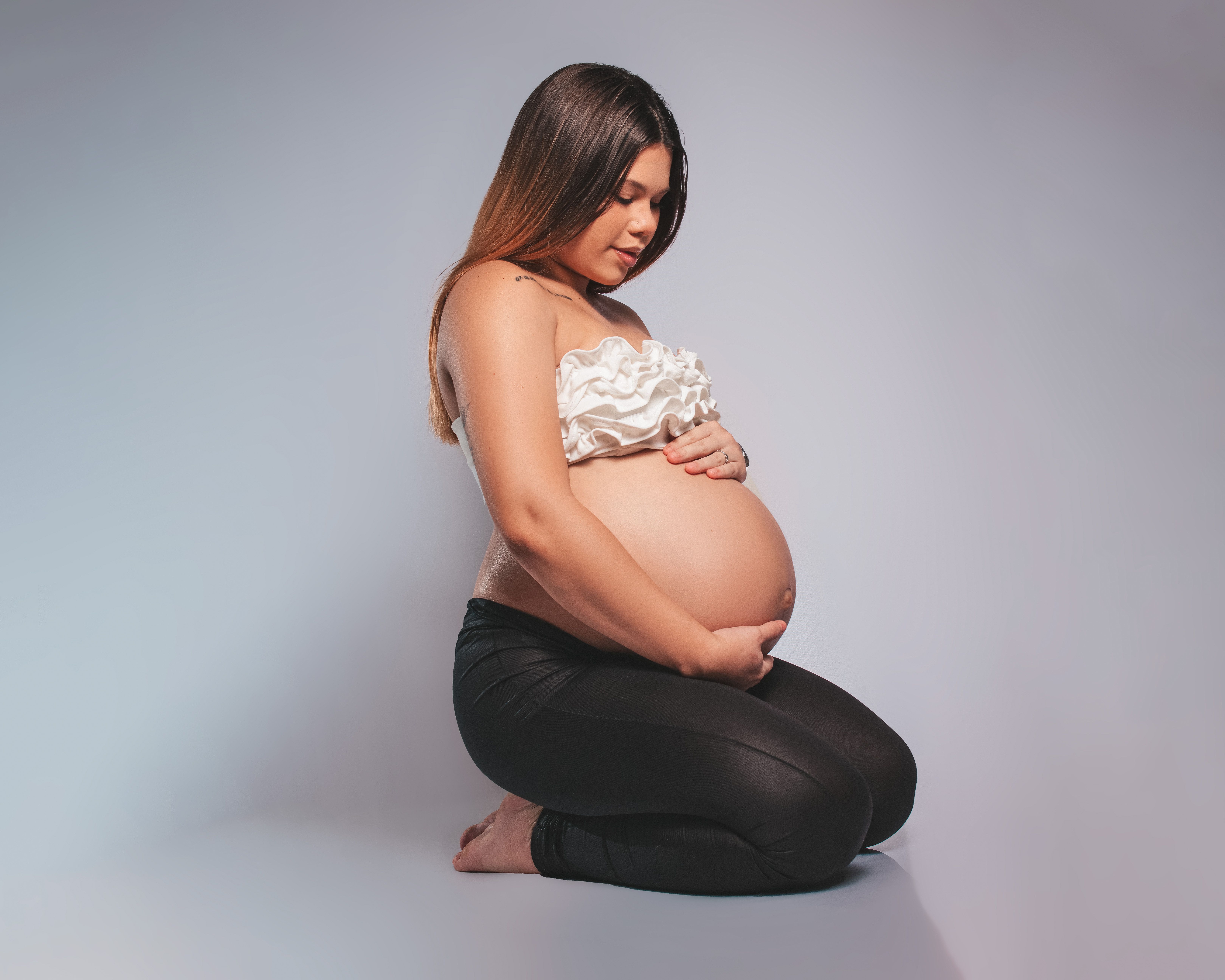
Healing Retreat Bali: Blending Balinese Tradition & Postpartum Science
Explore how Balinese postpartum healing and Jamu rituals integrate with modern science. Discover the premier healing retreat in Bali for fourth-trimester recovery.
The transition into motherhood, often referred to as the 'Fourth Trimester,' is a period of profound physiological and emotional shift. While modern medicine provides essential clinical oversight, many women find themselves seeking a deeper, more holistic form of restoration. In the heart of Ubud, a new paradigm is emerging at Amarta Nurtura. By synthesizing the rigorous standards of modern postpartum science with the ancestral wisdom of Balinese postpartum healing, we offer a recovery experience that is both clinically sound and spiritually grounding. This article explores how traditional rituals like Jamu postpartum and Boreh wraps are being validated by contemporary wellness science within the setting of a world-class healing retreat in Bali.
The Science of the Fourth Trimester and the Need for Sanctuary
Postpartum recovery is not merely about returning to a pre-pregnancy state; it is a complex biological process involving hormonal recalibration and tissue repair. The fourth trimester is a distinct physiological phase that demands specific, targeted support, and understanding its science is the foundation for understanding why a dedicated healing retreat offers superior recovery outcomes compared to standard postpartum care.
Hormonal Rebalancing Post-Birth
The immediate postpartum period involves one of the most dramatic hormonal shifts a human body can undergo. Within hours of delivery, estrogen and progesterone levels—elevated a hundredfold during pregnancy—plummet to pre-pregnancy levels. This sudden withdrawal contributes to the emotional volatility, night sweats, and mood fluctuations of the early postpartum period. Meanwhile, prolactin and oxytocin rise to support lactation and bonding. This hormonal recalibration is not instantaneous; it unfolds over weeks and months, and its progression is influenced by factors including nutrition, sleep, stress, and breastfeeding. At Amarta Nurtura, our clinical team monitors the mother's hormonal recovery through symptom assessment and biometric monitoring, providing targeted support—nutritional, botanical, and psychological—that facilitates this recalibration. Traditional Balinese Jamu preparations, with their phytoestrogen-rich botanicals, offer natural support for hormonal balance that complements the clinical approach.
The Role of Inflammation in Recovery
The postpartum body is in a state of controlled inflammation—a necessary phase of the healing process, as inflammatory cytokines clear damaged tissue and initiate repair. However, when inflammation becomes chronic or systemic, it impedes recovery, contributes to pain and fatigue, and is implicated in postpartum mood disorders. Modern science has identified nutritional and lifestyle interventions that modulate inflammation, and traditional Balinese postpartum practices align remarkably with these findings. The Balinese postpartum diet, rich in anti-inflammatory botanicals like turmeric, ginger, and galangal, actively supports the resolution of inflammation. The warming principle of traditional postpartum care—avoiding cold foods and emphasizing warm, cooked, spiced preparations—supports the circulatory processes that clear inflammatory byproducts. At Amarta Nurtura, we integrate these traditional anti-inflammatory practices with modern nutritional science, creating a recovery protocol that manages inflammation through both ancient wisdom and contemporary evidence.
Neurological Shifts in New Motherhood
The postpartum brain undergoes significant structural and functional changes. Gray matter volume in regions associated with social cognition and maternal bonding increases, while the brain's reward circuitry is remodeled to respond to infant cues. These neurological shifts, driven by the hormonal changes of the postpartum period, are the biological foundation of maternal bonding. However, the same neuroplasticity that enables bonding also renders the mother more vulnerable to stress, anxiety, and mood disorders. Sleep deprivation, isolation, and lack of support can hijack this vulnerable period, contributing to postpartum depression and anxiety. A healing retreat that provides structured support, adequate rest, and nervous system regulation directly supports the healthy progression of these neurological shifts. At Amarta Nurtura, our care protocol is designed to protect the mother's neurological recovery, providing the environment and support that allow the brain's maternal remodeling to proceed without the interference of chronic stress.
Balinese Postpartum Healing: Ancestral Wisdom in a Modern World
For centuries, Balinese culture has treated the postpartum period as a sacred window requiring specific heat-based therapies and botanical interventions. The traditional Balinese postpartum protocol is a comprehensive system of care that addresses the physical, nutritional, and spiritual dimensions of recovery, and its sophistication reflects centuries of refinement.
The Power of Jamu Postpartum Tonics
Jamu is Indonesia's traditional herbal medicine system, and Jamu postpartum refers to the specific preparations used during the postpartum period. The most iconic is jamu kunyit, a turmeric-based tonic that combines fresh turmeric, tamarind, palm sugar, and sometimes other botanicals into a warming, anti-inflammatory drink. Turmeric's active compound, curcumin, is one of the most thoroughly researched anti-inflammatory compounds in modern science, with evidence supporting its role in reducing inflammation, supporting liver function, and promoting tissue repair. Other traditional postpartum Jamu preparations include galactagogue tonics that support milk supply, warming blends that support digestive recovery, and calming preparations that support nervous system regulation. At Amarta Nurtura, our Jamu preparations are made fresh daily by trained herbalists, using organic, locally sourced ingredients, and they are integrated with our clinical nutrition protocol to provide a comprehensive botanical support system for postpartum recovery.
Boreh: Traditional Thermotherapy for Circulation
Boreh is a traditional Balinese body wrap made from a paste of warming spices—clove, nutmeg, ginger, galangal, rice powder, and sometimes turmeric—applied to the body to stimulate circulation, warm the body, and support muscle recovery. In the postpartum context, boreh is used to support the circulatory recovery that underlies tissue repair, to relieve the musculoskeletal tension of pregnancy and birth, and to support the warming principle that is central to Balinese postpartum care. Modern thermotherapy research validates the circulatory and muscle-recovery benefits of heat application, and the specific botanicals in boreh add an anti-inflammatory and analgesic dimension that simple heat does not provide. At Amarta Nurtura, boreh is administered by trained therapists within the context of the overall postpartum care protocol, screened for appropriateness based on the mother's specific recovery status, and integrated with other therapeutic bodywork to maximize its benefits.
Spiritual Grounding and the 'Ari-Ari' Philosophy
In Balinese tradition, the placenta, or ari-ari, is considered a sacred companion to the child, and it is buried in a ceremony that honors the placenta's role in sustaining life. This ritual reflects a broader Balinese understanding of the postpartum period as a spiritual transition, not merely a physical one. The mother is seen as existing between states—no longer pregnant, not yet fully recovered—and the postpartum rituals are designed to support this liminal passage. This spiritual framing of postpartum recovery is not merely cultural ornamentation; it provides a psychological container for the profound identity shift of new motherhood, and it honors the magnitude of the transition in a way that purely clinical care often does not. At Amarta Nurtura, we respect and incorporate this spiritual dimension, offering traditional blessing ceremonies and creating space for the mother to process the spiritual dimension of her transition, while maintaining the clinical standards that ensure her physical safety.
Why a Healing Retreat in Bali Offers Superior Recovery
The environment in which a mother recovers significantly impacts her long-term health outcomes and nervous system regulation. A dedicated healing retreat in Bali offers environmental, architectural, and therapeutic advantages that standard accommodations cannot match, and these advantages are not luxuries but clinical interventions that directly support recovery.
Ubud's Microclimate and Circadian Health
Ubud's microclimate—elevated, shaded by tropical forest, with consistent warmth and high oxygen density from the surrounding vegetation—provides an environmental context that supports postpartum recovery. The consistent day-night cycle of the equatorial setting supports the restoration of circadian rhythms that are disrupted by the sleep fragmentation of early motherhood. The air quality, enriched by the surrounding forest, supports the oxygenation that underlies tissue repair. The acoustic environment—birdsong, flowing water, wind through vegetation—supports the parasympathetic activation that is essential for recovery and lactation. At Amarta Nurtura, we leverage this natural environmental context, situating our sanctuary within Ubud's lush landscape and designing our outdoor spaces to maximize the therapeutic benefits of the natural environment. This environmental dimension of recovery is one that indoor, clinical, or urban settings cannot provide, and it is a significant reason that a healing retreat in Bali offers superior recovery outcomes.
Architectural Wellness: Space for Rest
The architecture of a healing retreat designed for postpartum recovery is fundamentally different from that of a hotel or resort. Spaces are designed for privacy, quiet, and comfort, with attention to the specific needs of the postpartum body: comfortable feeding areas, co-sleeping arrangements that support responsive nighttime care, environmental controls that accommodate temperature sensitivities, and acoustic design that minimizes disruptive noise. At Amarta Nurtura, our private luxury villas are designed as therapeutic spaces, not merely accommodations. Every element—from the lighting to the bedding to the layout—is selected to support the mother's rest, recovery, and bonding with her baby. This architectural wellness approach reflects the understanding that the physical environment is a clinical variable that directly impacts recovery outcomes, and it is a defining feature of a dedicated healing retreat.
The Amarta Method: Bridging Two Worlds
The Amarta Method is the framework that bridges traditional Balinese healing and modern postpartum science. It is not a menu of services but a coordinated protocol in which each element—clinical care, nutritional therapy, traditional bodywork, Jamu preparations, stress reduction, and partner integration—is designed to support and enhance the others. The Method begins with a comprehensive assessment of the mother's birth story, recovery status, and specific needs, and from this assessment, the clinical team designs a personalized protocol that integrates the appropriate elements of both traditional and modern care. This integration is overseen by qualified practitioners of both traditions, ensuring that the traditional practices are applied safely and that the clinical care is enhanced rather than compromised by the traditional elements. The result is a recovery experience that draws on the strengths of both traditions, producing outcomes that neither could achieve alone.
Clinical Validation of Traditional Rituals
Modern maternal health research is beginning to acknowledge what Balinese healers have known for generations regarding heat, nutrition, and touch. The clinical validation of traditional rituals is not about proving that traditional practices work, but about understanding how they work, so they can be applied with precision and integrated safely with modern care.
Lactation Support Through Botanical Nutrition
The galactagogue properties of many traditional Balinese botanicals are supported by modern research. Moringa, widely used in traditional Indonesian postpartum care, has been shown in clinical studies to significantly increase breast milk volume. Turmeric supports lactation indirectly through its anti-inflammatory and liver-supporting properties. Fenugreek, fennel, and anise—used across traditional postpartum traditions—have demonstrated galactagogue effects in research. At Amarta Nurtura, our lactation support protocol integrates these evidence-supported botanicals with clinical lactation consulting, providing a dual approach that addresses both the physiological and nutritional dimensions of milk production. This integration of traditional botanical nutrition with clinical lactation support produces better outcomes than either approach alone, and it is a practical example of how traditional rituals can be clinically validated and integrated into modern care.
Pelvic Rehabilitation and Abdominal Binding
Traditional postpartum abdominal binding, practiced across Asian cultures including Bali, supports the abdominal wall and organs as they return to their pre-pregnancy positions. Modern pelvic health physiotherapy has refined this practice, identifying the specific conditions under which binding is beneficial and those under which it is counterproductive—binding is not appropriate for all mothers, and its application must be guided by pelvic floor assessment. At Amarta Nurtura, traditional abdominal binding is integrated with clinical pelvic floor rehabilitation, administered under the guidance of our specialist pelvic health physiotherapist. The physiotherapist assesses the mother's pelvic floor function, determines whether binding is appropriate, and ensures that the technique and timing are correct. This clinically supervised application of a traditional practice exemplifies the Amarta Method's approach: honoring traditional wisdom while applying it with modern clinical precision.
The Efficacy of Postnatal Massage
Postnatal massage is a cornerstone of traditional Balinese postpartum care, and its benefits are well-supported by modern research. Massage reduces cortisol levels, increases oxytocin, improves circulation, relieves musculoskeletal tension, and supports lymphatic drainage. In the postpartum context, these benefits translate to faster tissue repair, reduced stress (which supports lactation), relief from the musculoskeletal strain of pregnancy and birth, and improved emotional wellbeing. Traditional Balinese postnatal massage techniques, refined over centuries, offer a depth of therapeutic benefit that generic massage does not match. At Amarta Nurtura, our massage therapists are trained in both traditional Balinese techniques and clinical postpartum care, ensuring that the massage is both therapeutically effective and safe for the specific stage of recovery. This dual training is essential, because postpartum massage has specific contraindications and modifications that generic massage training does not address.
Personalized Care: Moving Beyond Generic Wellness
True healing requires a bespoke approach that respects a mother's unique birth story and medical requirements. Generic wellness programs, by definition, cannot provide the level of personalization that postpartum recovery demands, and this is a critical distinction between a dedicated healing retreat and a generic wellness resort.
Customized Postpartum Nutrition Plans
Postpartum nutrition is not one-size-fits-all. A mother recovering from a cesarean has different nutritional needs than one recovering from a vaginal delivery. A mother breastfeeding twins has different caloric needs than one with a single infant. A mother with gestational diabetes has different metabolic considerations than one without. A mother with iron-deficiency anemia has different micronutrient needs than one with adequate stores. At Amarta Nurtura, our clinical nutritionist designs a personalized nutrition plan for each mother, based on her birth story, recovery status, lactation goals, dietary preferences, and any specific medical considerations. This plan is delivered by in-house chefs who prepare every meal to specification, ensuring that the nutritional therapy is precise, consistent, and enjoyable. This level of nutritional personalization is a hallmark of the Amarta Method and a significant advantage over generic postpartum accommodations.
Partner Integration in the Healing Process
The partner's role in postpartum recovery is often neglected in standard care, but it is a critical determinant of the mother's recovery outcomes. A partner who is educated about postpartum recovery can provide informed support, take on tasks that protect the mother's rest, recognize signs of complications, and provide emotional support that is grounded in understanding rather than guesswork. At Amarta Nurtura, partners are actively integrated into the healing process through structured education, participation in care rituals, and guidance on their role in the recovery protocol. This partner integration strengthens the family unit, improves the mother's recovery outcomes, and prepares the partner for the collaborative parenting relationship that will unfold after the retreat. It is a dimension of care that generic wellness programs do not address and that is a distinctive feature of the Amarta Method.
Transitioning from Clinical Care to Home Life
A healing retreat that does not prepare the mother for the transition home produces benefits that fade quickly. The Amarta Method is designed to produce lasting change, and this requires a structured transition from the clinical care of the retreat to the self-managed care of home life. Before departure, our team provides a comprehensive discharge plan that includes a personalized nutrition plan for home, a list of local support providers in the mother's home area, guidance on continuing the physical and mindfulness practices established during the retreat, and clear parameters for when to seek further professional support. This transition planning ensures that the benefits of the retreat are sustained, and that the mother leaves the sanctuary equipped not just with the experience of recovery but with the tools for continued vitality.
Integrating Balinese Rituals into Your Recovery Plan
Whether you are a local resident or visiting for a retreat, certain elements of Balinese wisdom can be seamlessly integrated into a modern lifestyle. The value of traditional practices lies not in their exoticism but in their practical effectiveness, and many can be adopted regardless of location.
Selecting the Right Postpartum Jamu
For mothers interested in incorporating Jamu into their postpartum recovery, selecting the appropriate preparations is essential. The key is to match the Jamu to the specific stage of recovery: anti-inflammatory jamu kunyit for the acute healing phase, galactagogue tonics for lactation support, warming blends for digestive recovery, and calming preparations for nervous system support. At Amarta Nurtura, our herbalists provide guidance on selecting and preparing Jamu, and for international mothers, we provide information on sourcing the key ingredients or finding qualified Jamu practitioners in their home country. This guidance allows mothers to continue the botanical support that enhances their recovery, extending the benefits of the retreat into their home life.
The Importance of Ritualized Self-Care
The Balinese postpartum tradition is, at its core, a system of ritualized self-care—structured, repeated practices that honor the mother's recovery and create protected time for healing. This principle can be adopted in any cultural context, without the specific Balinese rituals, by establishing a personal postpartum self-care ritual: a daily practice that includes nourishing food, rest, bodywork or movement, and a moment of quiet reflection. At Amarta Nurtura, we help mothers design a personal self-care ritual that they can sustain at home, drawing on the principles of the Balinese tradition without requiring access to specific Balinese practices. This ritualized approach to self-care transforms recovery from a series of isolated actions into a coherent practice, and it is one of the most valuable takeaways from the retreat experience.
Building a Sustainable Support Village
The Balinese postpartum tradition relies on a community of support—family, neighbors, and traditional birth attendants who collectively care for the mother. This communal model reflects an understanding that postpartum recovery is not a solo endeavor, and that the mother's recovery depends on a support system that extends beyond her partner. In modern, often isolated contexts, this support village must be intentionally constructed. At Amarta Nurtura, we help mothers identify and build their support village before leaving the retreat, providing guidance on the types of support needed—practical, emotional, clinical, and peer—and resources for finding each type in their home community. This proactive community-building is essential for sustaining the recovery progress made during the retreat, and it reflects our commitment to producing lasting, rather than temporary, recovery outcomes.
Conclusion
The journey of postpartum recovery does not have to be a choice between clinical safety and traditional comfort. By choosing a specialized healing retreat in Bali, mothers can access the best of both worlds—benefiting from the latest in pelvic health and nutritional science while being cradled by the time-honored rituals of Balinese postpartum healing. Amarta Nurtura stands at this intersection, providing a sanctuary where the Amarta Method ensures every mother leaves feeling restored, empowered, and deeply nurtured. As you navigate your fourth trimester, remember that your recovery is the foundation for your family's future wellness.
Explore the Amarta Method for postpartum recovery, book a consultation for our Babymoon Retreat Program, or view our luxury villas and sanctuary facilities in Ubud.
Frequently Asked Questions
What is Jamu postpartum and how does it help recovery?
Jamu postpartum refers to the traditional Indonesian herbal preparations used during the postpartum period. The most common is jamu kunyit, a turmeric-based tonic that provides anti-inflammatory support, aids liver function, and promotes tissue repair. Other postpartum Jamu preparations include galactagogues that support milk supply, warming blends that support digestive recovery, and calming preparations for nervous system regulation. At Amarta Nurtura, our Jamu is prepared fresh daily by trained herbalists using organic, locally sourced ingredients, and it is integrated with our clinical nutrition protocol to provide comprehensive botanical support. The efficacy of key Jamu botanicals like turmeric and moringa is supported by modern research, and when properly prepared and administered, Jamu offers a safe, natural complement to clinical postpartum care.
How does a healing retreat in Bali differ from a standard hotel stay?
A healing retreat in Bali differs from a standard hotel stay in every dimension that matters for postpartum recovery. A hotel provides accommodation; a healing retreat provides a therapeutically designed environment, clinical oversight, specialized nutrition, traditional healing practices, and coordinated care. A hotel staff serves guests; a healing retreat's clinical team provides individualized care based on the mother's specific recovery status. A hotel offers generic spa services; a healing retreat offers postpartum-specific bodywork delivered by therapists trained in prenatal and postpartum care. A hotel is designed for leisure; a healing retreat is designed for recovery, with architecture, programming, and environmental design that support the physiological processes of postpartum healing. At Amarta Nurtura, this distinction is embodied in the Amarta Method, which provides a level of care, personalization, and clinical sophistication that no hotel can match.
Is Balinese postpartum healing safe after a C-section?
Balinese postpartum healing practices can be safely integrated into cesarean recovery, but they require specific modifications and clinical oversight. Jamu preparations are generally safe and beneficial after a cesarean, as their anti-inflammatory and tissue-repair-supporting properties directly support surgical recovery. Massage and boreh must be modified to avoid the incision site and to accommodate the surgical recovery timeline—our therapists are trained in these modifications and work under the guidance of our clinical team. Abdominal binding, a traditional postpartum practice, can support the abdominal wall after cesarean but must be applied with specific technique and timing to avoid interfering with incision healing. At Amarta Nurtura, every traditional practice is screened for appropriateness based on the mother's specific birth experience and recovery status, and our clinical team oversees the integration of traditional and modern care to ensure complete safety.
What is included in the Amarta Method?
The Amarta Method is a comprehensive, coordinated postpartum care protocol that integrates clinical care, nutritional therapy, traditional Balinese healing, and psychosocial support. Clinical elements include midwifery monitoring, lactation consulting, pelvic floor rehabilitation, and biometric assessment. Nutritional elements include personalized meal plans designed by a clinical nutritionist and prepared by in-house chefs, integrating traditional Jamu and Balinese postpartum cuisine. Traditional elements include Jamu preparations, boreh body wraps, traditional Balinese postnatal massage, and blessing ceremonies. Psychosocial elements include stress reduction practices, mindfulness training, partner education, and transition-to-home planning. Every element is personalized based on the mother's comprehensive pre-arrival assessment, and the entire protocol is coordinated by a clinical team that ensures the elements work together synergistically. This integrated, personalized approach is what distinguishes the Amarta Method from standard postpartum care.
Ready to begin your restoration journey?
Experience the Amarta Method at our intimate boutique resort in Ubud, Bali.