Early Lactation Support: The Key to a Luxury Postpartum Experience in Bali
Discover how early clinical lactation support at Amarta Nurtura's Ubud sanctuary transforms the fourth trimester. Learn about the Amarta Method's holistic approach to feeding.
The transition into motherhood is often measured by milestones, yet the most pivotal moments occur in the quiet, early days of the fourth trimester. For many families, the dream of a seamless breastfeeding journey is met with the complex reality of physiological adjustments and hormonal shifts. At Amarta Nurtura, we view lactation not merely as a task of nourishment, but as a cornerstone of maternal recovery and confidence. By integrating expert clinical lactation support into our premium postpartum sanctuary in Ubud, we provide the foundational 'sacred pause' necessary for both mother and infant to thrive. This guide explores why early intervention is the ultimate luxury in postpartum care.
The Critical Window: Why the First 14 Days Define Your Journey
The initial two weeks postpartum are scientifically recognised as the 'learning phase' for both the maternal endocrine system and the infant's neurological development. Early expert intervention prevents common hurdles from becoming long-term obstacles.
Establishing the Prolactin Feedback Loop
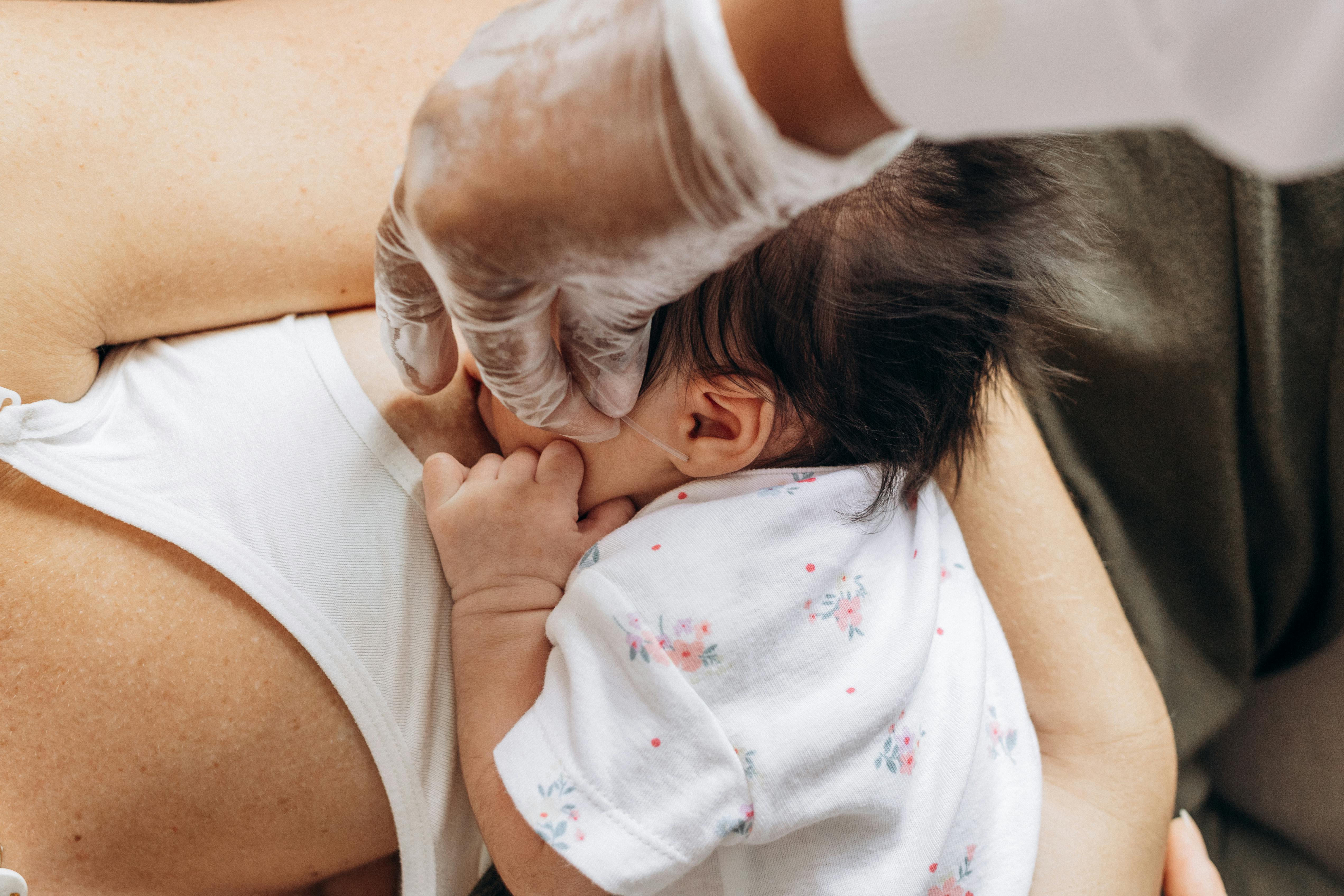
Milk production is governed by a demand-supply hormonal feedback loop centred on prolactin. In the first days after birth, frequent and effective milk removal — whether by infant or pump — sends the clearest possible signal to the pituitary gland to produce and sustain prolactin levels. When this window is disrupted by pain, poor latch, or insufficient feeding frequency, the window for establishing a robust supply can narrow rapidly. Our IBCLC-qualified lactation consultants conduct a thorough assessment within hours of arrival, identifying any impediments to effective milk transfer before they compound.
The Importance of Early Latch Assessment
A latch that appears functional can still be causing microtrauma with every feed — trauma that accumulates over dozens of daily nursing sessions into significant pain, cracked nipples, and the kind of maternal exhaustion that erodes feeding confidence. Our clinical team uses a structured latch assessment protocol to identify subtle positional and anatomical factors that a first-time mother would have no reason to recognise. Small corrections made on day two can prevent weeks of struggle.
Preventing the Cycle of Feeding Stress
Stress is the primary physiological antagonist of the milk let-down reflex. Cortisol inhibits the oxytocin release required for milk ejection — creating a self-reinforcing cycle in which feeding difficulty generates anxiety, which in turn suppresses the very hormone needed for feeding to succeed. The Amarta Nurtura environment is specifically designed to interrupt this cycle before it forms: low-stimulus spaces, consistent clinical reassurance, and a care model that removes all logistical demands from the mother's cognitive load. When a mother is genuinely at rest, her body's feeding biology can operate as intended.
The Amarta Method: Bridging Clinical Excellence and Balinese Healing
Our proprietary approach transcends standard nursing advice by blending evidence-based clinical protocols with the restorative power of Balinese tradition. We focus on the mother's total wellbeing to facilitate natural milk production.
One-on-One Clinical Consultations
Unlike hospital environments where lactation support is delivered reactively — when a mother presses a call button, between nursing shift changes — the Amarta Method builds proactive, scheduled one-on-one consultations into every programme. Each consultation is structured around the individual mother's birth history, infant weight trajectory, hormonal context, and personal feeding goals. Whether a mother intends to exclusively breastfeed for two years or simply wants to give breastfeeding a supported start before transitioning, her plan is entirely her own — and entirely clinically informed.
Integrating Traditional Balinese Galactagogues
Balinese herbal tradition has cultivated a rich pharmacopoeia of botanicals historically used to support milk production — kunci (finger root), katuk (Sauropus androgynus leaves), temulawak (Javanese turmeric), and carefully prepared jamu tonics that combine these ingredients with warming spices. Our clinical nutritionist reviews each guest's health profile before recommending any botanical galactagogue programme, ensuring that traditional remedies are used in evidence-informed doses and in combination with, not in place of, clinical lactation support. Many of our guests describe the daily jamu ritual as one of the most grounding elements of their stay — a moment of ancient continuity in the middle of an entirely new chapter.
Personalised Feeding Plans for the Modern Mother
The concept of a single universal feeding schedule sits poorly with clinical reality. Infant hunger cues, maternal milk storage capacity, hormonal timelines, and the particularities of each baby's oral anatomy all vary significantly between individuals. Our feeding plans are dynamically adjusted throughout a stay in response to infant weight checks, maternal feedback, and our clinical team's observations — not fixed to a generic timeline. The result is a feeding relationship that evolves with the mother and infant rather than imposing an external template onto their emerging biology.
Physiological Synergy: Lactation, Pelvic Health, and Recovery
Breastfeeding is a whole-body experience that directly impacts uterine involution and pelvic floor stability. Our specialists ensure that feeding posture and frequency actively support physical rehabilitation.
Oxytocin's Role in Uterine Recovery
Every breastfeeding session triggers a sustained oxytocin release that serves a dual purpose: it facilitates milk let-down and simultaneously causes uterine contractions — the mechanism by which the uterus returns to its pre-pregnancy dimensions. This process, known as involution, is accelerated in breastfeeding mothers and represents one of the most efficient natural recovery mechanisms available. At Amarta Nurtura, we frame breastfeeding not only as infant nutrition but as active maternal rehabilitation — a reframing that consistently increases a mother's sense of agency and purpose during what can otherwise feel like a passive recovery period.
Ergonomic Feeding Positions for Pelvic Floor Protection
The postpartum pelvic floor is in a state of active repair. The loading patterns of breastfeeding posture — sustained trunk flexion, asymmetrical shoulder loading, breath-holding during challenging latches — can inadvertently create intra-abdominal pressure patterns that impede pelvic floor recovery. Our physiotherapy team works directly alongside our lactation consultants to assess each mother's feeding posture and recommend adjustments that allow nursing to coexist with, rather than compete against, her pelvic rehabilitation programme. This interdisciplinary coordination is rare outside a dedicated postpartum sanctuary context.
Nutritional Support for Lactogenesis II
The shift from colostrum to mature milk — lactogenesis II — typically occurs between days three and five postpartum and is heavily influenced by nutritional status. Iron, iodine, zinc, choline, and adequate caloric density are all critical substrates for this transition. Our clinical nutritionist designs each guest's postpartum menu with lactogenesis II in mind: nourishing broths, mineral-dense leafy greens, sustainable protein sources, and Balinese culinary traditions that happen to be exceptionally well aligned with the nutritional demands of early lactation. Nutrition is never an afterthought at Amarta Nurtura — it is one of the five pillars of the Amarta Method.
The Luxury of Space: How Environment Influences Oxytocin
High-stress environments are the antithesis of successful lactation. Our Ubud sanctuary is architecturally designed to lower cortisol levels, allowing oxytocin to flow freely.
Sensory Design and Stress Reduction
The environmental conditions that suppress cortisol and support oxytocin release are well understood: reduced ambient noise, natural light, gentle temperature regulation, organic textures, and the absence of visual clutter. The villa spaces at Amarta Nurtura are designed with each of these variables in mind — not as aesthetic choices, but as therapeutic infrastructure. Guests consistently report a subjective shift in nervous system tone within the first 24 to 48 hours of arrival: a settling, a slowing, a sense that the body finally has permission to stop bracing.
The Role of Nature in Hormonal Regulation
Ubud's landscape — immersive green rice paddies, ancient banyan canopies, the constant auditory presence of water — provides what environmental psychologists call 'restorative experience': an effortless, involuntary form of attention that allows the prefrontal cortex to rest and the stress response to de-escalate. Research on biophilic design confirms that access to natural environments measurably reduces salivary cortisol and activates the parasympathetic nervous system. For a nursing mother, this is not a luxury backdrop — it is a hormonal intervention.
Private Sanctuary Suites for Focused Bonding
The early weeks of infant feeding benefit enormously from privacy and predictability. When a mother is in a shared space — a hospital ward, a family home with visitors, a hotel with ambient noise — her nervous system must perpetually orient to external stimuli, maintaining a low-level vigilance that is incompatible with deep oxytocin release. Our private villa suites eliminate this entirely. Each space is a contained world in which the mother, her infant, and her support person can establish their feeding relationship without interruption, at a pace that belongs entirely to them.
Partner Integration: Building a Sustainable Support Village
Lactation is not a solitary endeavour. At Amarta Nurtura, we empower partners to become active participants in the feeding journey, ensuring the 'village' is established long before returning home.
Partner Education on Infant Cues
Partners who can reliably read infant hunger cues — rooting, mouthing, hand-to-face movements — before crying begins are significantly more effective at supporting feeding initiation. Crying is a late hunger cue; a baby who has escalated to distress is harder to latch and more likely to feed inefficiently. Our structured partner education sessions cover the full infant cue vocabulary, providing practical tools that partners can use immediately and that remain relevant across the entire infancy period.
The Role of the Support Person in Successful Nursing
The research on social support and breastfeeding outcomes is unambiguous: mothers with engaged, knowledgeable support persons breastfeed longer and with greater satisfaction than those who are navigating the process alone. At Amarta Nurtura, we deliberately design the partner's role into our care model rather than treating them as a peripheral presence. Partners are included in lactation consultations where the mother wishes it, briefed on hormonal timelines and emotional volatility, and given specific, practical tasks that create genuine helpfulness rather than well-intentioned but disruptive intervention.
Emotional Advocacy During the Fourth Trimester
The emotional texture of early breastfeeding is rarely discussed honestly: the discomfort, the vulnerability of biological exposure, the grief that sometimes accompanies a feeding relationship that doesn't unfold as imagined, the unexpected intensity of the hormonal let-down reflex. Partners equipped to hold these experiences with equanimity — to validate without catastrophising, to encourage without minimising — are among the most powerful predictors of maternal feeding confidence. Our partner preparation programme addresses this emotional dimension directly and practically.
Beyond the Retreat: Setting the Stage for Long-Term Success
The goal of our early lactation support is to instil a sense of maternal self-efficacy that lasts far beyond a stay in Bali. We provide the tools for a sustainable feeding relationship.
Transitioning Back to International Lifestyles
The breastfeeding challenges that emerge on return home — workplace reintegration, travel, social pressures, access to private nursing spaces in unfamiliar environments — are predictable, and we prepare for them. Each guest leaves with a detailed personalised feeding plan that accounts for her specific home context: time zones if there is travel, workplace pumping logistics if she is returning to professional life, weaning plans if she has a defined end-date, or strategies for sustaining supply through the unpredictable rhythms of life with a newborn.
Confidence in Public and Travel Feeding
Nursing in public and across travel contexts requires a specific set of practical skills and psychological confidence that is rarely addressed in standard lactation support. Our consultants work with each mother on her particular context — the countries she travels to, the social environments she navigates, the clothing and positioning strategies that work for her body — so that breastfeeding can genuinely accompany her life rather than constraining it.
The Amarta Continuity of Care Model
Our relationship with guests does not end at check-out. The Amarta Nurtura continuity of care model provides access to our clinical team via a structured post-stay follow-up programme, allowing mothers to reach our lactation consultants with questions, concerns, and progress updates as they transition back to independent life. For guests navigating challenges after returning home — supply concerns, infant weight worries, feeding strikes — this connection to a known, trusted clinical team is one of the most consistently valued aspects of the Amarta Nurtura experience.
Conclusion
Early lactation support is more than a clinical service; it is an investment in the long-term health and emotional stability of the new family unit. By choosing a structured environment like Amarta Nurtura, mothers move away from the 'survival mode' of the early weeks and into a state of empowered flourishing. In the heart of Ubud, surrounded by beauty and guided by the Amarta Method, your postpartum experience can become a period of profound connection and healing. We invite you to experience the difference that expert, early-stage support can make in your fourth trimester.
Explore our comprehensive postpartum recovery programs. Book a discovery call to learn how the Amarta Method supports your unique feeding goals. View our luxury villas designed for optimal postpartum bonding.
Frequently Asked Questions
What is the Amarta Method's approach to breastfeeding?
The Amarta Method integrates IBCLC-qualified clinical lactation support with the restorative conditions of a purpose-designed sanctuary environment. Rather than treating breastfeeding as an isolated clinical task, we address it as a whole-body experience shaped by hormonal status, nutritional intake, postural mechanics, nervous system regulation, and environmental design — all of which are actively managed as part of every guest's individualised programme.
Do you offer support for formula feeding or combination feeding?
Yes. Our clinical team supports every mother's individual feeding goals without judgement. Whether a guest arrives intending to exclusively breastfeed, to combine breast and formula feeding, or to transition entirely to formula, her programme is designed around her specific intentions and the clinical reality of her situation. There is no single 'correct' feeding choice — only informed ones made by mothers who have access to excellent support.
How soon after birth should I arrive at the sanctuary for lactation support?
We welcome guests from 24 hours after birth, subject to medical clearance. For lactation-specific goals, earlier arrival consistently produces better outcomes — the first three to five days are the most clinically significant window for establishing supply and latch pattern. If this is not logistically possible, our clinical team will conduct a thorough pre-arrival consultation to begin remote preparation before you arrive.
Is clinical lactation support included in all Amarta Nurtura programs?
Lactation assessment and support is included across all three Amarta Nurtura sanctuary tiers — Amarta Modern, Amarta Roots, and Amarta Privé. The depth and frequency of dedicated one-on-one lactation consultations varies by programme length and tier. A full breakdown is available in our service catalogue or via our wellness team on enquiry.
Ready to begin your restoration journey?
Experience the Amarta Method at our intimate boutique resort in Ubud, Bali.