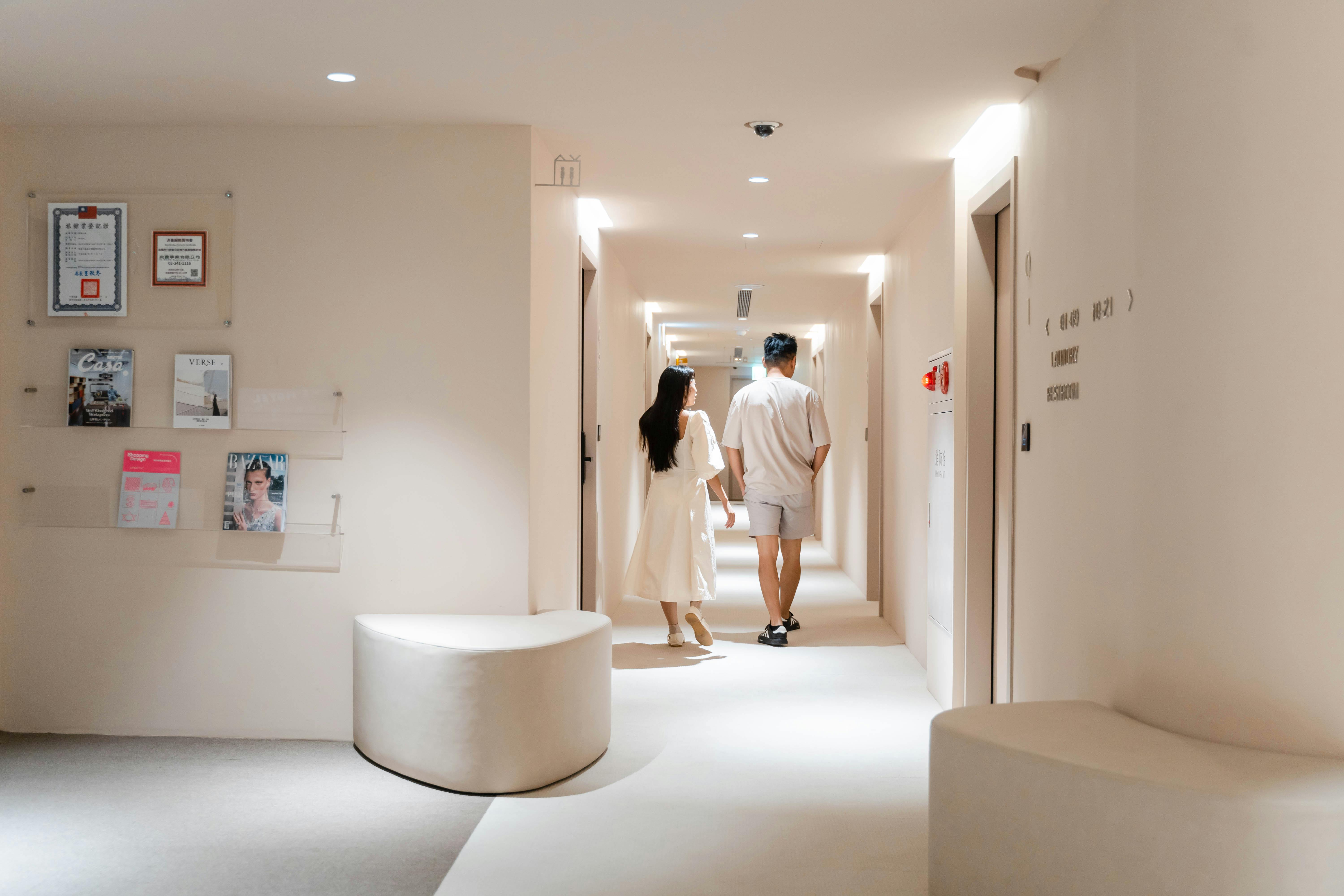
Confinement Centre vs. Postpartum Retreat: What Is the Difference?
What is a confinement centre meaning in the modern world? Compare traditional postnatal care with the luxury postpartum retreat experience and the Amarta Method.
The transition into motherhood is a profound physical and emotional metamorphosis, often referred to as the 'fourth trimester.' Historically, cultures across Asia have honored this period through the practice of 'sitting the month,' which has led to the rise of the specialized confinement centre. However, as modern mothers seek a balance between clinical safety and holistic wellness, the distinction between a traditional confinement centre and a luxury postpartum retreat has become vital. Understanding these differences is the first step in designing a recovery journey that supports not just survival, but a deep, restorative thriving for both mother and child. For mothers researching their options, grasping the confinement centre meaning in its modern context is essential to making an informed choice.
The Traditional Confinement Centre Meaning and Origins
To choose the right path, one must first understand the cultural roots of the confinement period and how it has traditionally been managed. The concept is not a single practice but a family of related traditions spanning Chinese, Malay, Indian, and other Asian cultures, all sharing a common recognition: that the postpartum period requires dedicated, structured support.
The Cultural Roots of 'Sitting the Month'
The Chinese practice of zuo yuezi—'sitting the month'—is the most widely recognized form of postpartum confinement, but similar traditions exist across Asia. In Malay culture, the pantang period lasts 44 days and involves specific dietary restrictions, traditional massage, and abdominal binding. In Indian Ayurvedic tradition, the ajiran period lasts 40 days and emphasizes warming foods, oil massage, and rest. The Balinese tradition similarly treats the postpartum period as sacred, with specific rituals, herbal preparations, and a designated recovery period supervised by female elders. These traditions share a common understanding that the mother's body has been 'opened' by birth and must be 'closed' again through warmth, rest, specific nutrition, and protection from cold and wind. This cultural wisdom, refined over centuries of maternal practice, forms the philosophical foundation of every modern confinement approach, including the Amarta Method.
Traditional Dietary Restrictions and Thermal Care
The dietary principles of traditional confinement are remarkably consistent across cultures: warm, cooked, easily digestible foods rich in iron and protein; avoidance of cold, raw, and 'cooling' foods; inclusion of specific galactagogue herbs and roots to support milk supply. Thermal care is equally consistent: the mother avoids cold water, cold air, and air conditioning, instead receiving warm baths, warming body wraps, and heated herbal compresses. Modern nutritional science validates many of these principles: warm foods are more easily digested, conserving energy for recovery; iron-rich foods rebuild blood lost during delivery; galactagogue compounds support lactation. The thermal principles align with circulatory physiology—warmth promotes vasodilation, improving blood flow to healing tissues. The traditional dietary and thermal framework is not superstition; it is an empirically refined system of postpartum care that modern science has largely confirmed. A postnatal recovery program that honors these principles, while adding clinical nutritional precision, offers the best of both worlds.
The Evolution of the Institutional Confinement Model
As societies urbanized and extended family networks weakened, the practice of home-based confinement—supervised by grandmothers and experienced female relatives—became increasingly difficult to sustain. This led to the rise of the commercial confinement centre: an institutional facility where mothers stay for 28 to 44 days, receiving meals, basic newborn care, and adherence to traditional dietary protocols. These centres vary widely in quality, from basic shared rooms with limited privacy to mid-range private rooms with daily meals and nurse visits. The institutional model preserves the core structure of confinement—rest, specific nutrition, protection from domestic responsibilities—but often at the cost of personalization, environmental quality, and clinical depth. Understanding the limitations of this institutional model is essential for mothers who want more than the minimum standard of postpartum care, and is the starting point for understanding what a postpartum retreat offers in its place.
Confinement Centre vs. Postpartum Retreat: The Core Distinctions
While both aim to support the new mother, the philosophy, environment, and level of personalization differ significantly between these two models. The distinction is not merely one of luxury versus utility; it is a fundamental difference in how the postpartum body is understood and what kind of recovery environment it requires.
Clinical Environment vs. Nature-Immersed Sanctuary
A confinement centre is typically an urban facility, often located in a commercial building or residential block, with shared spaces, fluorescent lighting, and the sensory environment of an institution. A postpartum retreat like Amarta Nurtura is situated in the heart of the Ubud jungle, where the therapeutic environment is the natural landscape itself. Research in environmental psychology demonstrates that exposure to natural environments reduces cortisol levels, improves immune function, and promotes the parasympathetic nervous system state optimal for healing. The phytoncides released by tropical vegetation have measurable immune-modulating effects. For a recovering mother, the difference between an institutional room and a private villa surrounded by rice terraces and tropical gardens is not aesthetic—it is clinical. The environment itself is a therapeutic tool, and a sanctuary environment provides therapeutic input that an institutional setting simply cannot replicate.
Standardized Schedules vs. Personalized Recovery Paths
A confinement centre typically operates on standardized schedules: meals at fixed times, treatments on a rotating timetable, and a one-size-fits-all protocol applied to every mother regardless of her individual birth experience, recovery status, or personal goals. A postpartum retreat begins with a comprehensive pre-arrival clinical assessment that reviews the mother's birth experience, medical history, emotional state, and personal goals. From this assessment, a personalized recovery protocol is designed—specifying the physiotherapy sessions, traditional rituals, counseling, nutritional plan, and psychosocial support that will be provided during the stay. This protocol is reviewed and adjusted throughout the stay based on clinical assessment of the mother's progress. A mother who experienced a straightforward vaginal delivery has different needs than a mother recovering from an emergency cesarean, and a personalized protocol reflects that reality. Standardization is efficient for the facility; personalization is effective for the mother.
Social Isolation vs. Family Integration and Support
Traditional confinement often involves a degree of social isolation—visitors are restricted, the mother is largely confined to her room, and the partner may or may not be accommodated. This isolation, while intended to protect the mother, can exacerbate the loneliness and identity disorientation that characterize the early postpartum period. A modern postpartum retreat takes a different approach: the entire family is welcomed and integrated into the recovery experience. Partners receive structured education, participate in bonding rituals, and are equipped to provide informed support. Older children can be accommodated. The retreat environment is designed for family connection, not isolation, recognizing that the postpartum transition is a family event and that maternal recovery is strengthened—not compromised—by the presence of a supported, educated family unit. This family-centric approach is a defining distinction between the institutional and sanctuary models of fourth trimester wellness.
The Rise of Modern Confinement and the Amarta Method
Modern confinement is no longer about restriction; it is about empowerment. At Amarta Nurtura, we bridge the gap between tradition and evidence-based clinical care, preserving the wisdom of traditional confinement while elevating it with medical rigor and luxury environment.
The Amarta Method: A Science-Backed Recovery Framework
The Amarta Method is a proprietary recovery framework that integrates the core principles of traditional confinement—rest, warming nutrition, thermal care, specific herbal support—with the full depth of modern clinical postpartum care. It begins with a comprehensive clinical intake conducted by internationally trained midwives, who assess recovery milestones including lochia flow, uterine involution, incision healing, and breast health. This clinical monitoring occurs alongside traditional practices—Jamu herbal tonics, Boreh warming wraps, traditional massage, and ceremonial rituals—within protocols reviewed and approved by the medical team. The result is a recovery experience that honors the cultural wisdom of confinement while ensuring medical safety and adding the depth of multidisciplinary specialist care that traditional confinement, whether at home or in a centre, cannot provide. The Amarta Method does not replace confinement; it evolves it.
Integrating Balinese Healing Rituals with Clinical Excellence
The Balinese tradition of postpartum care is among the richest in Asia, incorporating herbal alchemy, thermal therapy, spiritual ceremony, and community support. Jamu herbal tonics, made fresh daily from turmeric, ginger, and galangal, provide documented anti-inflammatory and uterine-toning benefits. Boreh warming body wraps support the elimination of retained fluids and reduce joint inflammation. Traditional massage supports uterine involution and lymphatic drainage. Melukat water purification ceremonies provide a symbolic framework for processing the birth experience. The Amarta Method integrates these rituals within a clinically supervised framework, ensuring that every traditional modality is evaluated for clinical appropriateness based on the mother's recovery status. This synthesis—where traditional and clinical dimensions reinforce rather than conflict with one another—is what distinguishes the Amarta Method from both conventional medical care and standard confinement centre offerings.
Moving Beyond Basic Care to Advanced Pelvic Rehabilitation
A confinement centre typically provides basic physical recovery support: rest, meals, and perhaps some traditional massage. It does not provide advanced pelvic floor rehabilitation. Pelvic floor dysfunction affects up to one in three mothers and includes urinary incontinence, pelvic organ prolapse, pain with intercourse, and chronic pelvic pain—conditions that significantly affect quality of life and require specialist intervention. The Amarta Method integrates specialist pelvic floor physiotherapy directly into the recovery protocol, beginning with a comprehensive assessment within the first 48 hours of arrival. Rehabilitation starts with breath-based deep core reconnection before any progressive loading, and traditional Balinese abdominal binding is applied diagnostically—only after physiotherapists have assessed for diastasis recti and pelvic floor integrity. This clinical precision is simply not available in a standard confinement centre, and it represents one of the most significant distinctions between the two models of care.
Clinical Support: What to Expect in a Premium Recovery Setting
A high-end confinement experience must prioritize medical safety and expert-led physical recovery to ensure long-term maternal health. The clinical infrastructure of the facility is not an add-on; it is the foundation upon which all other recovery interventions are built.
Professional Lactation Consulting and Feeding Support
Feeding is one of the most challenging aspects of early postpartum life, and the quality of lactation support available is a critical differentiator between facilities. A confinement centre typically provides basic feeding assistance from nurses or confinement nannies, which is helpful for routine challenges but insufficient for clinical issues. Amarta Nurtura provides access to IBCLC-certified lactation consultants—the gold standard in lactation care—who can diagnose and treat complex feeding issues including tongue tie, low supply, mastitis, and painful latch. Consultants conduct comprehensive feeding assessments, monitor infant weight gain and hydration, and design personalized feeding plans aligned with the mother's goals. This level of postnatal recovery support transforms the feeding experience from a source of stress into a source of bonding and confidence.
24/7 Expert Nursing Care for Newborns
A confinement centre typically provides round-the-clock newborn care, which is valuable, but the quality and qualifications of the caregivers vary widely. Amarta Nurtura provides 24/7 clinical oversight from internationally trained midwives and nurses who monitor the baby's health with medical precision: jaundice assessment, feeding adequacy, cord care, temperature regulation, and early identification of any deviation from normal. This continuous clinical monitoring provides parents with peace of mind and ensures that any concern is addressed by a qualified professional rather than a caregiver whose training may be limited to basic newborn handling. The baby is present in the mother's villa, supporting bonding and lactation, while the care team provides respite—monitoring the baby while the mother rests or attends therapy. This balance of supported bonding and protected rest is the hallmark of premium newborn care.
Specialized Postpartum Physiotherapy and Bodywork
Physical recovery from birth involves more than rest. The body has undergone profound structural and functional changes that require targeted rehabilitation. The Amarta Method provides specialist physiotherapy that addresses the specific physical demands of postpartum recovery: pelvic floor rehabilitation, diastasis recti assessment and treatment, postural correction for nursing, scar tissue mobilization for cesarean recovery, and progressive return to activity. Traditional Balinese bodywork—abdominal binding, warming wraps, traditional massage—is integrated with modern physiotherapy, creating a rehabilitation experience that is both clinically rigorous and culturally grounded. A confinement centre may offer basic massage; a postpartum retreat offers a comprehensive physical rehabilitation program designed and supervised by specialist physiotherapists. This is the difference between feeling temporarily relaxed and experiencing genuine physical restoration.
The Role of the Environment: Why Ubud is the Ultimate Recovery Destination
Unlike an urban confinement centre located in a high-rise, a retreat in the heart of Bali utilizes the natural landscape as a primary healing tool. The environment is not a backdrop; it is an active therapeutic intervention that shapes the mother's nervous system state and, consequently, her physical and emotional recovery.
The Therapeutic Power of Tropical Greenery and Silence
Extensive research in environmental psychology demonstrates that exposure to natural environments reduces cortisol levels, improves immune function, and promotes the parasympathetic nervous system state optimal for healing. The phytoncides released by tropical vegetation have measurable immune-modulating effects. The rice terraces, sacred forests, and tropical gardens of Ubud provide this restorative natural exposure continuously—not as a scheduled excursion but as the ambient backdrop of daily life at the sanctuary. The acoustic environment is equally important: the sounds of tropical birds, flowing water, and wind through vegetation activate the parasympathetic nervous system, while the absence of urban noise eliminates a chronic stressor. For a mother experiencing postpartum anxiety, this continuous, passive therapeutic input supports the active interventions of her recovery protocol. The environment is, in a real clinical sense, part of the treatment.
Architectural Design for Postnatal Privacy and Comfort
The architecture of recovery is not incidental. Our private postpartum villas in Ubud are designed to provide complete privacy, acoustic insulation, and dedicated spaces for rest, bonding, and wellness activities. Every element—from the pregnancy-safe bedding to the natural light optimization to the garden integration—is designed to support the specific needs of the recovering mother and her family. The absence of shared corridors, institutional lighting, and the sensory environment of a commercial building allows the mother's nervous system to settle into the parasympathetic state required for healing, bonding, and lactation. When a mother does not have to manage her environment, negotiate her needs, or perform wellness for other residents, her nervous system can finally enter the state in which restoration occurs. This architectural intentionality is something that even high-end confinement centres, constrained by their urban footprints, struggle to provide.
Nutritional Healing through Farm-to-Table Postpartum Cuisine
The nutritional dimension of recovery is where traditional confinement and modern retreat models diverge most visibly in quality. A confinement centre typically provides standardized meals based on traditional dietary principles—valuable, but often prepared in bulk with limited personalization and variable ingredient quality. Amarta Nurtura's clinical nutritionist designs personalized meal plans that integrate traditional postpartum nutrition principles—warming, easily digestible, iron-rich, galactagogue-supporting—with modern nutritional science, using locally sourced, organic Balinese ingredients. Every meal is purpose-built for the mother's specific stage of recovery, delivery type, feeding status, and dietary requirements. Traditional Jamu formulations are made fresh daily, prescribed according to the mother's individual presentation. This is not institutional meal service; it is nutritional therapy delivered with culinary sophistication, and the difference in how the mother feels—her energy, her digestion, her milk supply—is palpable within days.
Family-Centric Care: Beyond the Mother-Infant Dyad
Traditional centres often focus solely on the mother and baby, but a modern retreat recognizes the importance of the partner and siblings. Postpartum recovery is not an individual event—it is a family event, and supporting the entire family unit is itself a form of postpartum care.
Partner Inclusion and Transition Support
The partner's transition into parenthood is a significant developmental event that is often overlooked in the confinement model, where the partner may be absent or relegated to a visitor role. At Amarta Nurtura, partner participation is actively encouraged as a core component of the Amarta Method. We offer structured partner education workshops covering hormonal timelines, pelvic floor rehabilitation stages, breastfeeding logistics, postpartum mood disorders, and the neuroscience of the newborn. Practical newborn care education—bathing, swaddling, cord care, sleep settling—builds competency that reduces stress for both parents. When the partner is educated, equipped, and present, the mother's recovery is supported by a competent ally rather than an anxious bystander. This whole-family approach, perhaps initiated during a prenatal babymoon retreat, transforms the recovery period from an isolating experience into a point of relational deepening.
Creating Bonded Memories in a Luxury Resort Setting
The shared rituals available in a sanctuary environment—participating in a Jamu preparation session, attending a flower bath ceremony together, engaging in a traditional blessing—create meaningful psychological anchors for the family's transformation. These shared experiences deepen the partner's capacity for emotionally attuned support and prevent the emotional distance that can silently develop in the early postpartum period. The luxury resort setting of Amarta Nurtura—private villa, tropical garden, ambient lighting, acoustic privacy—creates an environment where these bonding moments feel sacred rather than clinical. Families leave Amarta Nurtura not only recovered but bonded in ways that sustain them through the demanding early months of parenthood. This relational dimension of recovery is something that a confinement centre, by its institutional nature, cannot replicate.
Preparing the Family for the Return Home
The ultimate goal of any postpartum stay is not to create dependence on the facility but to equip the family for a confident return home. In the final days of the stay, the Amarta care team works with the family to develop a transition plan: feeding schedules, sleep strategies, partner support protocols, warning signs to watch for, and a clear understanding of the mother's ongoing recovery needs. The family leaves with a personalized recovery summary, recommended follow-up care, and the confidence that comes from having practiced—under expert supervision—the skills they will need at home. A confinement centre may provide basic discharge instructions; a postpartum retreat provides a comprehensive transition plan that bridges the gap between the sanctuary and the home, ensuring that the benefits of the stay persist long after the family departs.
Conclusion
Choosing between a traditional confinement centre and a modern postpartum retreat depends on your personal priorities for recovery. If you seek a sterile, institutional setting, a standard centre may suffice. However, for those who view the fourth trimester as a sacred window for deep healing, the Amarta Nurtura experience offers a transformative alternative. By blending the clinical rigor of a modern confinement centre approach with the soul-stirring tranquility of an Ubud sanctuary, we ensure that your journey into motherhood is as luxurious as it is restorative. Your recovery is the foundation upon which your family's future is built—choose a space that honors that magnitude.
Explore our luxury postpartum recovery programs, discover the Amarta Method for postnatal recovery, or book a consultation for your custom stay.
Frequently Asked Questions
What is the typical length of stay at a confinement centre?
Traditional confinement centres typically recommend a stay of 28 to 44 days, aligning with the cultural practices of 'sitting the month' (30 days in Chinese tradition, 44 days in Malay tradition, 40 days in Ayurvedic tradition). At Amarta Nurtura, the length of stay is personalized based on the mother's recovery needs, birth experience, and personal goals, with programs ranging from one to four weeks. We recommend discussing your specific situation during your consultation to determine the optimal duration for your recovery.
How does a postpartum retreat differ from a standard hotel stay?
A standard hotel stay provides accommodation and amenities but no clinical care, no recovery protocol, no nutritional therapy, no lactation support, and no therapeutic environment. A postpartum retreat like Amarta Nurtura provides a comprehensive clinical and holistic recovery program: 24/7 midwifery oversight, IBCLC lactation consulting, specialist pelvic floor physiotherapy, clinical nutritional therapy, perinatal mental health support, traditional Balinese healing rituals, and a sanctuary environment designed specifically for postpartum recovery. The difference is between a place to stay and a place to heal.
Can my partner stay with me during the confinement period?
Yes. At Amarta Nurtura, partner participation is actively encouraged. Our private luxury villas are designed to accommodate the entire family unit, and we offer structured partner education workshops, shared bonding rituals, and practical newborn care training. Partner inclusion is a core component of the Amarta Method, recognizing that postpartum recovery is a family event and that an educated, present partner is one of the most powerful supports for maternal recovery.
Does Amarta Nurtura provide medical supervision for newborns?
Yes. Amarta Nurtura provides 24/7 clinical oversight from internationally trained midwives and nurses who monitor the baby's health with medical precision, including jaundice assessment, feeding adequacy, cord care, temperature regulation, and early identification of any deviation from normal. The baby remains in the mother's villa to support bonding and lactation, while the care team provides respite and continuous clinical monitoring throughout the stay.
Ready to begin your restoration journey?
Experience the Amarta Method at our intimate boutique resort in Ubud, Bali.