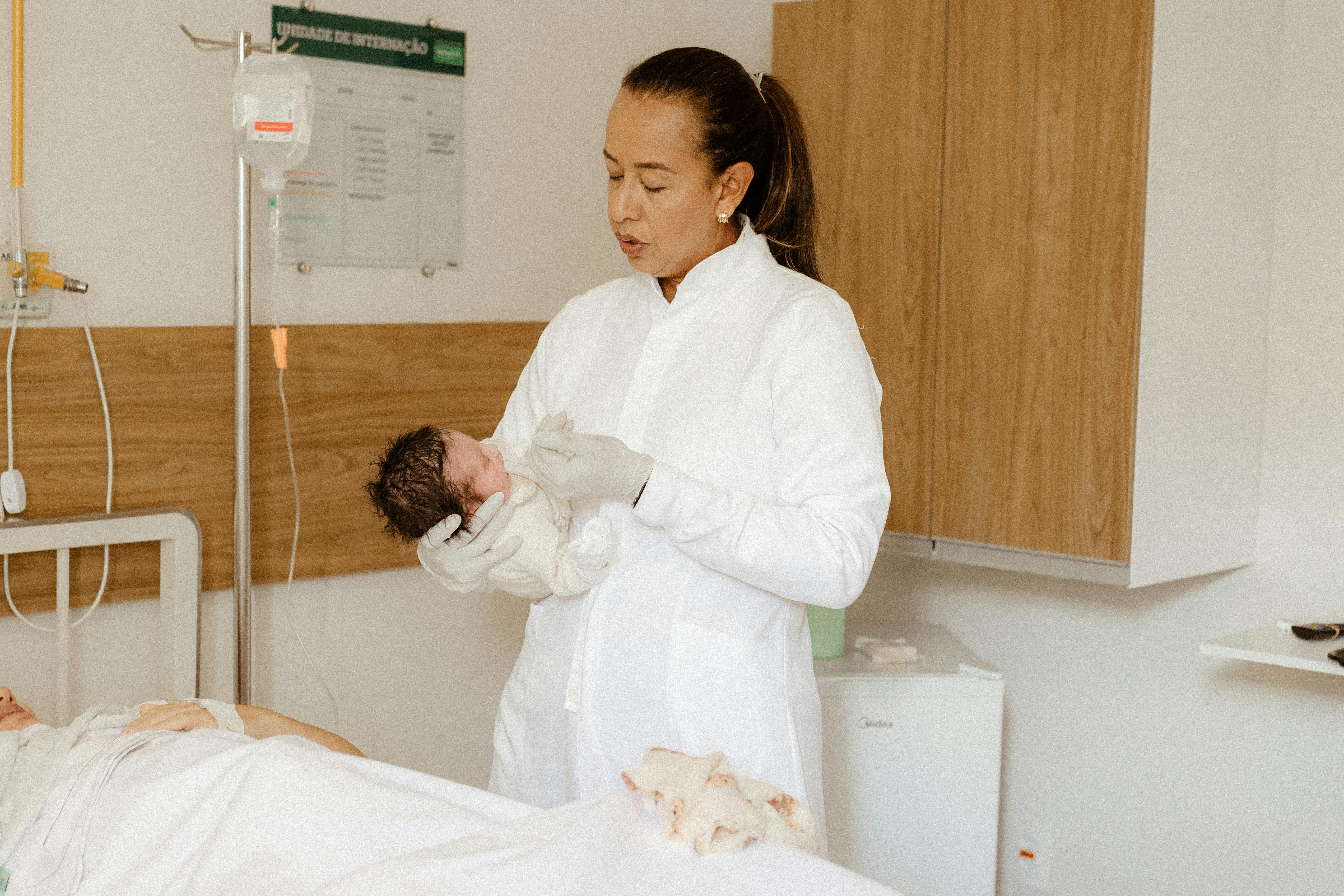
Confinement Centre vs. Postpartum Retreat: What Is the Difference?
Discover the evolution of the confinement centre. Learn about modern confinement practices, postpartum recovery, and how a luxury retreat differs from traditional care.
For centuries, the concept of a 'confinement centre' has been a cornerstone of maternal health across various cultures, particularly in Asia. Traditionally, this period focused on strict rest and specific dietary requirements to help the mother recover from childbirth. However, as our understanding of maternal mental health, pelvic rehabilitation, and neonatal development has evolved, so too has the standard of care. Today, many families find themselves choosing between a traditional confinement centre and a modern postpartum retreat. While both aim to support the 'fourth trimester,' their methodologies, environments, and philosophies on recovery differ significantly. Understanding these nuances is essential for choosing a path that ensures long-term wellness for both mother and baby.
What is a Confinement Centre? Understanding the Origins
To understand the current landscape of maternal care, one must first look at the traditional confinement centre meaning and its cultural roots. These centers were designed to provide a protective environment where the new mother could focus entirely on healing without the distractions of domestic labor. The confinement centre emerged from a collective cultural recognition that the postpartum mother requires structured, protected support — a recognition that modern medicine has validated through the lens of physiology, endocrinology, and maternal mental health.
The Cultural Roots of the 28-Day Confinement
The traditional confinement period varies in duration across cultures but commonly centers on a 28-day or 40-day framework. In Chinese tradition, zuo yuezi — 'sitting the month' — prescribes a 30-day period of protected rest. In Malay tradition, the pantang period typically spans 42 to 44 days. In Latin American cultures, la cuarentena mirrors the 40-day principle. The 28-day confinement, prevalent in many Southeast Asian centres, aligns with both the lunar cycle and the initial phase of uterine involution. These centers provided a structured environment where the mother received warming meals, bodywork, and practical infant care support, shielded from the demands of household management and the broader social world.
Traditional Dietary Practices and Warming Foods
A defining feature of the traditional confinement centre is its dietary protocol. The emphasis on warming foods reflects an intuitive understanding of postpartum metabolic demands. Warm, easily digestible, nutrient-dense meals support tissue repair, lactation, and digestive recovery. In Chinese tradition, this means dishes like sesame oil chicken and fish soup cooked with rice wine. In Malay and Balinese tradition, jamu herbal preparations provide targeted botanical support. The avoidance of 'cooling' foods — raw vegetables, cold beverages, certain fruits — reflects a consistent cross-cultural principle: the postpartum body requires warmth to recover. While the specific foods vary by culture, the underlying principle of nutritional therapy as a clinical intervention is consistent across all traditional confinement practices.
The Emphasis on Physical Rest and Isolation
Traditional confinement centres emphasize physical rest and a degree of isolation from the outside world. The mother is relieved of domestic responsibilities and encouraged to remain in a controlled, warm environment. This emphasis on rest is physiologically sound — the postpartum body is undergoing uterine involution, hormonal recalibration, and tissue repair, all of which require energy that can only be mobilized when the body is at rest. However, the traditional emphasis on isolation, while protective, could also be lonely and disempowering. The modern evolution of the confinement centre recognizes this tension and shifts the emphasis from isolation to supported recovery, preserving the protective intention while replacing loneliness with community and clinical support.
The Evolution into Modern Confinement
The modern confinement centre has moved away from rigid, sometimes restrictive traditional rules toward a more evidence-based approach. This shift acknowledges that while physical rest is vital, emotional support and professional medical oversight are equally critical. The evolution from traditional to modern confinement represents not an abandonment of tradition but its refinement — retaining the wisdom of protected rest and nutritional therapy while integrating the advances of modern maternal medicine.
Integrating Clinical Expertise with Tradition
The most significant evolution in the modern confinement centre is the integration of clinical expertise. Traditional centres relied on experienced lay practitioners — confinement nannies and elder women — whose knowledge was valuable but not clinically standardized. The modern centre integrates qualified midwives, nurses, and in some cases physicians, providing clinical monitoring alongside traditional practices. This integration allows the early identification of postpartum complications — wound infection, mastitis, postpartum hemorrhage, signs of mood disorder — that traditional observation alone might miss. At Amarta Nurtura, this integration is foundational: traditional Balinese healing practices are delivered within a clinical oversight framework, ensuring both cultural authenticity and therapeutic safety.
The Shift from Isolation to Guided Social Support
The traditional confinement centre often involved genuine isolation — a withdrawal from social contact that, while protective, could contribute to postpartum mood disturbances. The modern confinement model shifts from isolation to guided social support. Rather than simply removing the mother from social contact, the modern centre provides structured, supportive social engagement: interaction with the care team, connection with other mothers when appropriate, and the active integration of the partner into the recovery experience. This evolution reflects the understanding that emotional wellbeing is a clinical intervention, not a luxury, and that supported recovery produces better outcomes than isolated recovery.
24/7 Nursery Care vs. Rooming-In Philosophies
A practical distinction among confinement centres is the approach to infant care. Some traditional centres provide 24/7 nursery care, removing the baby from the mother for nighttime periods to allow uninterrupted sleep. Others follow a rooming-in philosophy, keeping the mother and baby together to support bonding and responsive feeding. The evidence-based approach favors rooming-in for its benefits to bonding and lactation, while acknowledging the importance of maternal rest. At Amarta Nurtura, our approach balances both: the baby stays with the mother in a private luxury villa designed to support bonding, while our care team provides nighttime support that protects the mother's sleep without separating her from her baby.
How a Postpartum Retreat Differs from a Traditional Centre
A postpartum retreat, like Amarta Nurtura, represents the luxury tier of maternal care. It goes beyond the basic 'confinement centre' model by offering a sanctuary-like environment that prioritizes holistic wellness and aesthetic tranquility alongside medical safety. The distinction is not merely one of decor or price — it is a fundamental difference in philosophy, scope, and depth of care.
Medical Supervision vs. Therapeutic Healing
A traditional confinement centre provides basic medical oversight — monitoring of recovery and infant care. A postpartum retreat provides comprehensive clinical supervision integrated with therapeutic healing. The difference is one of depth: a retreat like Amarta Nurtura offers specialist pelvic floor physiotherapy, IBCLC-certified lactation consulting, perinatal mental health screening, clinical nutritional therapy, and midwifery oversight — a full multi-disciplinary team within a single coordinated protocol. The therapeutic dimension extends beyond clinical care to include traditional healing rituals, guided mindfulness, and a purpose-built environment engineered to support nervous system regulation. The retreat model recognizes that recovery is not merely the absence of complication but the active cultivation of wellbeing.
The Amarta Method: A New Standard for the Confinement Centre
The Amarta Method represents a new standard for what a confinement centre can be. It integrates clinical midwifery and nursing oversight, specialist pelvic floor physiotherapy, IBCLC lactation support, clinical nutritional therapy, perinatal mental health screening, traditional Balinese healing rituals, and structured partner integration into a single coordinated system. Rather than offering these services as add-ons, the Amarta Method weaves them into a unified care plan that is personalized to each mother's specific recovery profile. This coordinated approach ensures that every element of care supports every other element, creating a recovery experience that is greater than the sum of its parts. The Amarta Method is not a menu of services but a unified philosophy of care.
Focus on Maternal Identity and Emotional Transition
A traditional confinement centre focuses primarily on physical recovery and infant care. A postpartum retreat expands this focus to include the mother's identity and emotional transition. The shift from woman to mother is a profound psychological event, and the retreat environment provides the space, guidance, and professional support to navigate this transition intentionally. Perinatal mental health screening using validated tools, structured emotional check-ins, and the simple availability of a knowledgeable, listening presence all contribute to a healthier emotional transition. This focus on maternal identity distinguishes the retreat model from the traditional centre, recognizing that a mother who enters her new role with confidence and support is healthier in the long term than one who has merely physically recovered.
Clinical Postpartum Recovery and Pelvic Rehabilitation
One of the most significant differences in a high-end postnatal retreat is the access to specialized physical therapy. Modern recovery is no longer just about lying in bed; it is about active, supervised rehabilitation of the body. The integration of specialist physiotherapy within the confinement period represents a clinical evolution that traditional centres do not typically provide.
The Importance of Professional Pelvic Floor Assessment
Pelvic floor dysfunction is one of the most common and consequential complications of childbirth, yet it is rarely assessed comprehensively in the standard postpartum pathway. A professional pelvic floor assessment by a specialist physiotherapist evaluates strength, endurance, coordination, and the presence of any dysfunction — prolapse, incontinence, pain, or muscle imbalance. At Amarta Nurtura, every postpartum guest receives this assessment as part of her care protocol, and a personalized rehabilitation program is designed based on her specific recovery profile. This level of specialist pelvic care, integrated within the confinement period, represents one of the most significant clinical advantages of the retreat model over the traditional confinement centre.
Diastasis Recti Correction and Core Rebuilding
Diastasis recti — the separation of the abdominal muscles during pregnancy — affects a significant proportion of postpartum mothers and can lead to core dysfunction, back pain, and pelvic instability if not properly rehabilitated. Specialist physiotherapy assessment identifies the degree of separation and designs a targeted rehabilitation program that progresses from gentle activation to functional strengthening. This is not generic exercise instruction; it is clinical physiotherapy delivered by qualified women's health physiotherapists. A structured confinement period provides the time, expert input, and consistent practice required for meaningful core rehabilitation — something that a traditional centre, focused on rest rather than active rehabilitation, does not typically provide.
Evidence-Based Lactation Support and Troubleshooting
Breastfeeding is a learned skill that flourishes best with expert, continuous support. The gold standard of lactation care is the International Board Certified Lactation Consultant (IBCLC) — a credential requiring extensive clinical practice and rigorous examination. Traditional confinement support often includes general breastfeeding encouragement, but the resolution of complex feeding challenges requires specialist expertise. At Amarta Nurtura, IBCLC support is integrated into the daily care protocol, providing continuous, on-site lactation support throughout the confinement stay. This continuity allows the lactation consultant to track progress, adjust the feeding plan in real time, and address challenges before they escalate — a level of support that traditional centres, which typically rely on general nurses or confinement nannies, cannot match.
Balinese Healing Rituals: A Unique Approach to Postnatal Care
While the primary search intent for a confinement centre is often functional, the addition of Balinese tradition in Ubud provides a spiritual and sensory layer of healing that clinical centers lack. This integration fosters a deeper sense of peace and reconnection, addressing dimensions of recovery that purely clinical models do not reach.
The Role of Jamu and Balinese Massage in Recovery
Traditional Balinese postpartum practices provide a dimension of care that complements clinical protocols. Jamu herbal preparations offer targeted botanical support: anti-inflammatory jamu kunyit aids tissue repair, galactagogue tonics support lactation, and warming blends support digestive recovery. Traditional Balinese postnatal massage relieves musculoskeletal tension, promotes circulation, and supports the parasympathetic state essential for healing. These practices, delivered by trained traditional practitioners within a clinical oversight framework, provide somatic comfort and therapeutic benefit that clinical protocols alone may not reach. The integration of jamu and traditional massage within the Amarta Method represents a depth of care that distinguishes the retreat from a purely clinical confinement centre.
Spiritual Grounding and Nature-Based Therapy in Ubud
Ubud's tropical landscape provides a therapeutic environment that supports postpartum recovery on multiple levels. The elevated, forested setting offers air quality that supports oxygenation and tissue repair. The consistent equatorial day-night cycle supports the restoration of circadian rhythms disrupted by the sleep fragmentation of early motherhood. The acoustic environment — birdsong, flowing water, wind through vegetation — supports parasympathetic activation. This nature-based therapy is not an aesthetic luxury; it is an environmental intervention that directly supports the physiological processes of recovery. A confinement centre in an urban setting cannot provide this dimension of care, and it represents a unique advantage of choosing a retreat in Ubud.
Water Rituals and Sensory Wellness for New Mothers
The Balinese melukat water purification ceremony provides a framework for the symbolic processing of the birth experience — a ritual of cleansing and renewal that honors the spiritual dimension of the transition into motherhood. Beyond the specific ritual, the broader principle of sensory wellness — the intentional cultivation of a soothing sensory environment through warm water, gentle touch, natural light, and calming sound — supports nervous system regulation in a way that clinical environments do not. At Amarta Nurtura, these sensory and spiritual dimensions of care are integrated into the recovery protocol, providing a holistic healing experience that addresses the body, mind, and spirit.
Choosing the Right Environment for Your Fourth Trimester
Selecting between a local confinement centre and an international postpartum retreat depends on your specific needs for privacy, medical support, and luxury. It is a decision that impacts the first 40 days of your child's life and your long-term health. The right choice depends on the family's circumstances, recovery goals, and values — but the decision should be made with a clear understanding of what each model provides.
Evaluating Staff Credentials and Specializations
The quality of a confinement experience is determined by the credentials and specializations of its staff. When evaluating options, inquire about the clinical qualifications of the team: Are there qualified midwives? Is lactation support provided by IBCLCs? Is pelvic floor rehabilitation delivered by specialist physiotherapists? Is mental health screening integrated into the program? The answers to these questions reveal whether a program offers genuine clinical recovery or simply accommodation with basic support. At Amarta Nurtura, the care team includes qualified midwives, IBCLC lactation consultants, specialist pelvic health physiotherapists, a clinical nutritionist, and perinatal mental health practitioners — a depth of clinical expertise that traditional centres typically do not provide.
The Importance of Partner Integration and Education
A traditional confinement centre often focuses exclusively on the mother and baby, with the partner playing a peripheral role. A postpartum retreat actively integrates the partner into the recovery experience. The Amarta Method includes a structured partner integration program: hands-on infant care education, couple wellness sessions, shared movement and mindfulness practices, and guidance on the partner's role in the recovery process. This integration transforms partners from well-meaning bystanders into confident, capable primary support persons. The family-wide integration is a core element of the retreat model, recognizing that the postpartum transition is a family event and that supporting the entire family unit is itself a form of postpartum care.
Assessing the Sanctuary Environment and Nutritional Standards
The physical environment in which a mother recovers directly impacts her stress levels and hormone regulation. A sanctuary designed specifically for postpartum needs offers structural benefits that a standard confinement facility cannot. At Amarta Nurtura, our private luxury villas are designed as therapeutic spaces with comfortable feeding areas, co-sleeping arrangements, environmental controls, and acoustic design that minimizes disruptive noise. Nutritional standards are equally important: our clinical nutritionist designs personalized meal plans that translate traditional warming-food principles into cuisine that is both clinically purposeful and genuinely delicious. When evaluating any confinement option, assess both the physical environment and the nutritional protocol — these elements are clinical interventions, not hospitality features.
Conclusion
The transition from pregnancy to motherhood is one of life's most profound shifts. While a traditional confinement centre provides the basic framework for rest, a modern postpartum retreat offers a comprehensive ecosystem for transformation. By blending clinical excellence with the ancient wisdom of Balinese healing, programs like the Amarta Method redefine the confinement experience. Whether you are seeking intensive pelvic rehabilitation, expert lactation guidance, or simply a luxurious space to bond with your newborn, understanding these differences allows you to invest in a recovery that sustains you far beyond the fourth trimester.
Explore the Amarta Method and our unique approach to the modern confinement centre. Book a consultation for our Postpartum Retreat program in Ubud. View our luxury postpartum villas designed for optimal recovery.
Frequently Asked Questions
What is the typical duration of stay at a modern confinement centre?
A modern confinement centre typically offers stays structured around the traditional 28-day or 40-day framework, with flexibility to accommodate the mother's clinical needs and personal preferences. At Amarta Nurtura, our residential stays are structured as fourteen-to-thirty-day programs, with the option to extend toward the traditional 40-day framework. The duration is determined by the mother's clinical needs, recovery goals, and personal preferences, guided by clinical indicators of recovery rather than a rigid calendar. This flexibility allows the length of stay to be guided by the actual progress of healing rather than an arbitrary schedule.
How does a postpartum retreat handle medical emergencies?
A postpartum retreat like Amarta Nurtura provides 24/7 clinical monitoring by qualified midwives and nursing staff, ensuring the early identification of any postpartum complication. Our team follows evidence-based protocols for wound care, recovery monitoring, and complication management, and we maintain relationships with nearby medical facilities for any situation requiring advanced intervention. The continuous professional presence means that complications are identified early and addressed promptly, within a coordinated clinical framework. This level of clinical readiness is a defining feature of a medical-grade retreat and distinguishes it from a traditional confinement centre that relies on lay practitioners.
Can my partner stay with me during the confinement period?
Yes. At Amarta Nurtura, partners are warmly welcomed and actively integrated into the recovery experience. Our private luxury villas are designed to accommodate the entire family, and the care protocol includes structured partner education, participation in care rituals, and guidance on the partner's role in the recovery process. Partners participate in hands-on infant care education, couple wellness sessions, and shared healing experiences. This family-wide integration is a core element of the Amarta Method, recognizing that the postpartum transition is a family event and that supporting the partner's adjustment is itself a form of postpartum care.
What is the difference between a confinement nanny and a postpartum retreat team?
A confinement nanny is an experienced lay practitioner who provides practical infant care, traditional meal preparation, and basic household support. A postpartum retreat team is a coordinated multi-disciplinary clinical team that includes qualified midwives, IBCLC lactation consultants, specialist pelvic health physiotherapists, a clinical nutritionist, and perinatal mental health practitioners. The distinction is one of both qualifications and scope: the retreat team provides clinical-grade care across multiple specializations, coordinated into a single personalized care plan, while the confinement nanny provides valuable but non-clinical practical support. Both have a role, but they serve different needs and produce different outcomes.
Ready to begin your restoration journey?
Experience the Amarta Method at our intimate boutique resort in Ubud, Bali.