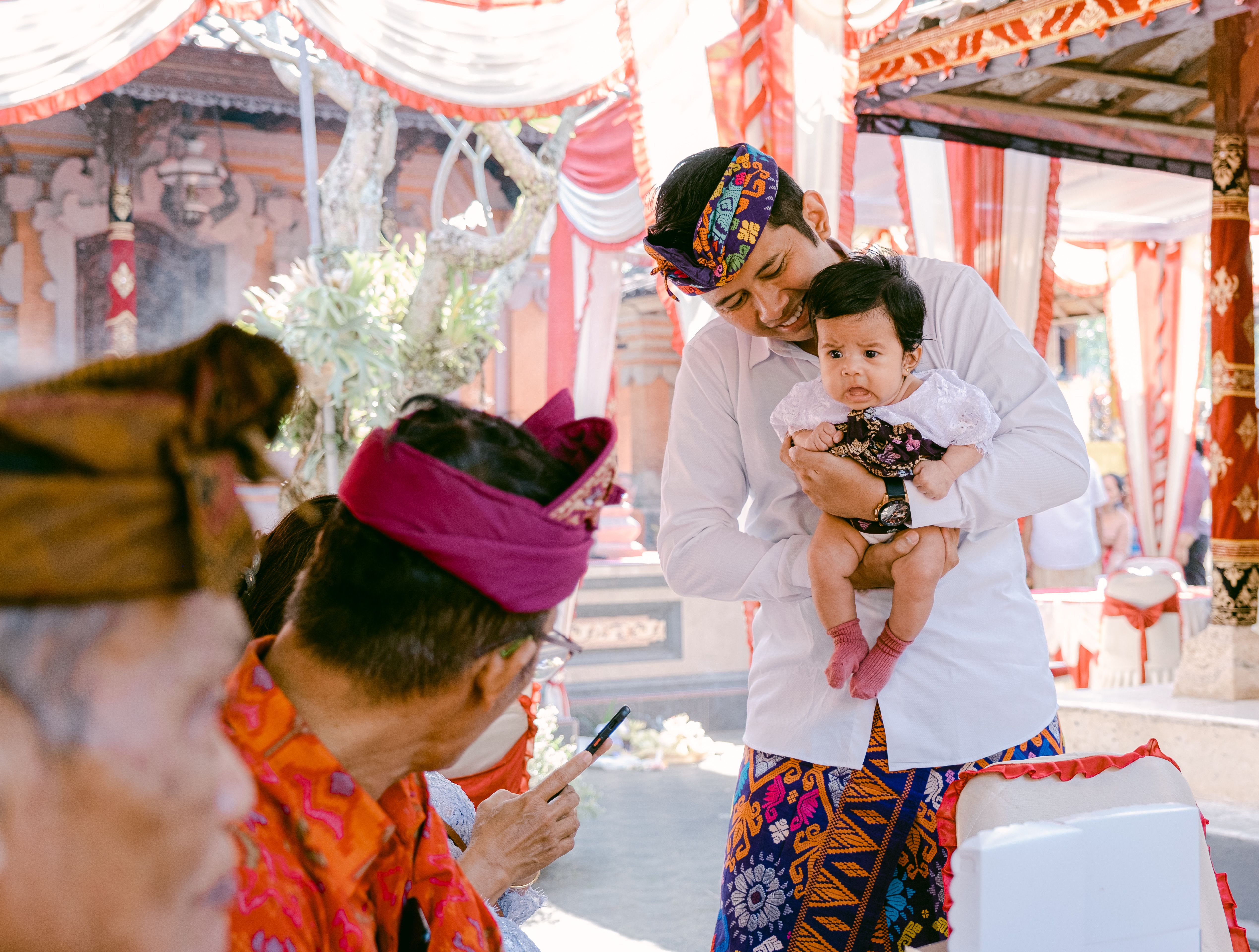
Balinese Healing & Postpartum Science: A Modern Recovery Guide
Discover how Amarta Nurtura blends Balinese healing rituals with clinical postpartum science. A luxury guide to holistic fourth trimester recovery in Ubud.
The transition into motherhood is a profound physiological and spiritual threshold, yet modern maternal care often reduces the 'fourth trimester' to a mere six-week clinical check-up. In the lush highlands of Ubud, a different paradigm exists — one where the ancient wisdom of Balinese healing meets the precision of modern postpartum science. This synergy is the foundation of Amarta Nurtura. For the affluent global mother, the question is no longer whether to choose tradition or evidence-based medicine, but how to integrate both to ensure a recovery that is as restorative as it is scientifically sound. This guide explores the intersection of traditional rituals and clinical rehabilitation, illustrating why a luxury sanctuary setting is the optimal environment for this delicate evolution.
The Physiology of the Fourth Trimester: A Clinical Perspective
Understanding the biological 'why' behind postpartum depletion is the first step toward true restoration. Modern science highlights the radical shifts in hormonal balance and tissue integrity that occur immediately after birth.
Hormonal Re-regulation and Neurobiological Health
Oestrogen and progesterone levels drop precipitously within 24 hours of delivery — among the most dramatic hormonal shifts a human body undergoes. This plunge, combined with sleep deprivation and the neurological demands of bonding, creates a period of acute neurobiological vulnerability. Targeted nutritional support, restorative sleep architecture, and low-cortisol environments are not indulgences during this window; they are clinical necessities.
Tissue Repair and Inflammatory Response Management
Whether through vaginal birth or caesarean section, the postpartum body is managing significant tissue repair. The inflammatory cascade that supports healing is simultaneously responsible for fatigue, mood fluctuations, and joint instability. Balinese botanical therapies — particularly those using turmeric, ginger, and galangal — have well-documented anti-inflammatory properties that complement the body's own healing chemistry. This is not coincidence; these plants were selected over generations for exactly these effects.
The Biomechanics of Pelvic Floor Restoration
The pelvic floor sustains extraordinary mechanical load during pregnancy and childbirth. Modern physiotherapy now recognizes that rehabilitation must begin in the early postpartum days — not weeks — with breath-based deep core reconnection before any progressive loading. Traditional Balinese abdominal binding, when applied correctly under clinical guidance, provides proprioceptive feedback that supports this rehabilitation process and mirrors what contemporary physiotherapy recommends.
Ancient Wisdom: The Pillars of Balinese Postnatal Tradition
Balinese culture views the postpartum period as a 'Sacred Pause,' where the mother is protected and nurtured to prevent long-term depletion. These rituals are designed to seal the body and spirit.
Boreh and Jamu: Botanical Heat Therapy
Boreh is a traditional Balinese warming body mask made from a blend of ground spices — ginger root, cloves, cinnamon, rice powder, and turmeric — applied to the skin to generate gentle heat and stimulate circulation. In the postpartum context, Boreh supports the elimination of retained fluids, reduces joint inflammation, and creates a deeply grounding sensory experience that signals safety to the nervous system. Jamu, Indonesia's ancient herbal drink tradition, complements Boreh with internal botanical support: anti-inflammatory compounds, digestive support, and uterine toning herbs that have been refined over centuries of maternal use.
Pijat Kocok: Traditional Massage for Uterine Health
Pijat Kocok — a specific form of Balinese postpartum massage — focuses on uterine involution support through rhythmic abdominal massage techniques. Modern midwifery confirms what traditional healers have long understood: gentle uterine massage in the early postpartum days supports the organ's return to pre-pregnancy dimensions and reduces the risk of retained products. When delivered by a trained Balinese therapist in coordination with clinical midwifery oversight, Pijat Kocok becomes a precision wellness tool rather than a cultural curiosity.
Energy Balancing and the Concept of 'Sekala' and 'Niskala'
Balinese philosophy understands health as a dynamic balance between the seen (sekala) and unseen (niskala) realms. Postpartum ceremonies — including purification offerings, flower bath blessings, and sacred smoke rituals — are designed to restore energetic coherence to the mother's field following the intense spiritual passage of birth. From a somatic psychology perspective, these rituals provide powerful symbolic frameworks for transition, creating meaning and closure that purely clinical approaches cannot offer. The science of ritual demonstrates that ceremony measurably reduces anxiety, lowers cortisol, and supports the formation of positive memory associations around the birth experience.
The Amarta Method: Synchronizing Science and Ritual
At Amarta Nurtura, we do not simply offer spa treatments; we provide a proprietary clinical framework that utilizes traditional touchpoints to achieve modern health outcomes.
Evidence-Based Lactation Support in a Ritual Setting
IBCLC-qualified lactation consultants work within a care environment designed to lower the physiological barriers to breastfeeding success. The calm, oxytocin-rich atmosphere of the sanctuary — warm temperatures, minimal interruption, natural light, familiar scents — directly supports milk let-down reflex conditioning. Partners are educated in positioning support, and jamu formulations for milk supply are prescribed in conjunction with clinical galactagogue assessment. The result is a feeding environment that is both clinically optimal and deeply nourishing.
Clinical Pelvic Rehab Meets Traditional Abdominal Binding
The Amarta Method integrates postpartum physiotherapy assessment with traditional stagen binding — the Javanese-Balinese practice of wrapping the abdomen with long cotton cloth following birth. Where previous generations used binding empirically, we apply it diagnostically: physiotherapists assess for diastasis recti and pelvic floor integrity before binding is introduced, ensuring that compression is therapeutic rather than counterproductive. This marriage of clinical intelligence and ancestral practice is a defining feature of what distinguishes Amarta Nurtura from both conventional medical care and standard wellness retreats.
Nurturing the Gut-Brain Axis with Balinese Superfoods
Emerging research on the gut-brain axis confirms that postpartum mood stability is intimately linked to microbiome health. Balinese cuisine — rich in fermented tempeh, prebiotic root vegetables, anti-inflammatory spices, and freshly prepared broths — is, by its nature, microbiome-supportive. At Amarta Nurtura, our clinical nutritionist works with Balinese culinary traditions to create a daily menu that serves both sensory pleasure and neurobiological healing. Every meal is, in the truest sense, medicine.
Pelvic Floor Rehabilitation: Beyond the Kegel
While traditional cultures have long used binding and herbs for core strength, modern physiotherapy provides the diagnostic tools to ensure these practices are safe and effective for the individual.
Diagnostic Assessments for Diastasis Recti
Linea alba separation — the widening of the connective tissue midline during pregnancy — affects the majority of mothers by the third trimester. Without proper assessment, mothers unknowingly engage in activities that perpetuate the separation rather than resolve it. At Amarta Nurtura, a physical therapist conducts a comprehensive diastasis recti assessment within the first 48 hours of arrival, establishing a baseline that guides all movement, binding, and core rehabilitation decisions throughout the stay.
Integrating Traditional Breathwork with Core Stability
Pranayama — yogic breathwork — and the Balinese breathing practices embedded in traditional ceremony share a common functional mechanism: they train the intra-abdominal pressure management system that is the true foundation of core stability. Modern physiotherapy increasingly recognizes diaphragmatic breathing as the primary entry point for pelvic floor rehabilitation. Our programming integrates dedicated breathwork sessions with progressive pelvic physiotherapy, creating a seamless continuum from the subtlest energetic level to measurable functional strength.
Postural Alignment for the Nursing Mother
The demands of breastfeeding and infant-holding create predictable patterns of postural strain: forward head carriage, kyphotic thoracic loading, and shoulder internal rotation. Unaddressed, these patterns become chronic and compromise respiratory function. Our physiotherapy team provides individualized postural assessment and correction as part of every stay, integrating ergonomic feeding positioning guidance with daily movement practices drawn from both clinical physiotherapy and traditional Balinese body alignment wisdom.
The Psychology of Sanctuary: Why Environment Matters
A luxury sanctuary is more than just a beautiful backdrop; it is a clinical necessity for lowering cortisol and facilitating the oxytocin flow required for bonding and healing.
Biophilic Design and Its Impact on Postpartum Anxiety
Extensive research in environmental psychology demonstrates that natural light, living greenery, water features, and organic materials measurably reduce cortisol and activate the parasympathetic nervous system. The architecture of Amarta Nurtura's villa spaces is intentionally biophilic: open-air living areas, garden integration, natural stone and wood surfaces, and the constant presence of Ubud's lush landscape. These are not aesthetic choices; they are therapeutic infrastructure.
The Role of Service and Concierge Care in Maternal Rest
Postpartum depletion is, at its core, a resource depletion problem. When mothers are required to direct cognitive bandwidth toward logistics, domestic management, and social coordination, those resources are diverted from healing, bonding, and sleep. The concierge care model at Amarta Nurtura eliminates this cognitive load entirely. Meals appear, spaces are maintained, requests are handled, and the mother's sole obligation is to receive care and rest. This is not indulgence — it is the precise environmental condition under which the nervous system can genuinely restore.
Ubud's Microclimate as a Catalyst for Respiratory Health
At approximately 700 meters elevation, Ubud's air is measurably cleaner and more oxygen-rich than coastal Bali. The humidity is optimal for respiratory comfort, and the ambient temperature — typically 24–28°C — is within the thermoregulatory comfort zone that minimizes sympathetic nervous system activation. Mothers at Amarta Nurtura consistently report sleeping more deeply and breathing more fully than in any urban environment. This is not coincidence; it is climatology in service of recovery.
Partner Integration: Healing the Family Unit
Postpartum recovery is not an isolated journey. By involving partners in both the science and the ceremony of recovery, we create a sustainable foundation for the family's future.
Partner-Led Bonding Rituals
Skin-to-skin contact, co-regulation through physical proximity, and participatory care are the biological foundations of secure attachment — for both parent and child. At Amarta Nurtura, we design specific partner-led bonding experiences into each stay: infant holding workshops, traditional jamu preparation sessions, and guided meditation practices that create shared meaning around the family's transformation. These are not activities; they are neurobiological investments.
Educational Workshops on Fourth Trimester Support
The partner's capacity to provide informed postpartum support is directly proportional to their understanding of what the mother is experiencing physiologically and emotionally. Our structured partner education workshops — covering hormonal timelines, pelvic floor rehabilitation stages, breastfeeding logistics, postpartum mood disorders, and the neuroscience of the newborn — transform partners from well-meaning bystanders into genuinely effective support agents. Many partners describe these workshops as among the most valuable experiences of their lives.
Shared Wellness Experiences in Luxury Villas
Recovery deepens in the presence of witnessed joy. Our luxury sanctuary villas are designed for shared wellness: couples' massage suites, private garden spaces for gentle movement, outdoor bathing facilities, and dining environments configured for intimate family meals. Partners who engage fully in the sanctuary experience report not only a transformed capacity for postpartum support but a renewed relational connection that sustains the couple through the demanding early months of parenthood.
Conclusion
The integration of Balinese healing rituals and modern postpartum science offers a path to recovery that is deeper than skin-level. It acknowledges that a mother needs both the physiological monitoring of a clinician and the soul-deep nurturing of a traditional healer. Amarta Nurtura stands at this intersection, providing a luxury sanctuary in Ubud where the 'Sacred Pause' is respected through the lens of the Amarta Method. Choosing a holistic path doesn't mean forgoing medical excellence; it means demanding a higher standard of care that honors the entirety of the maternal experience. As you navigate your fourth trimester, remember that you deserve a recovery that is as extraordinary as the life you have created.
Explore our luxury postpartum programs, view our Ubud sanctuary villas, or inquire about villa availability for your sacred pause.
Frequently Asked Questions
Are Balinese postpartum rituals safe after a C-section?
Yes, with appropriate clinical adaptation. All traditional modalities at Amarta Nurtura are reviewed and approved by our medical team before application to post-caesarean mothers. Abdominal massage, binding, and heat therapies are modified to respect surgical recovery timelines. We conduct a clinical intake assessment on arrival to establish individual protocols.
How does the Amarta Method differ from a standard wellness retreat?
A standard wellness retreat prioritizes relaxation and aesthetic experience. The Amarta Method is a clinical postpartum rehabilitation framework that uses traditional Balinese healing modalities as delivery mechanisms for evidence-based health outcomes. Every ritual, treatment, and dietary element is selected and applied with a specific physiological or psychological objective, overseen by a multidisciplinary team of perinatal health specialists.
Can my partner join me during the Balinese healing ceremonies?
Absolutely. Partner participation in traditional ceremonies is not only welcomed but actively encouraged as part of Amarta Nurtura's family integration philosophy. Shared ritual experience creates meaningful psychological anchors for the family's transition into parenthood and deepens the partner's capacity for emotionally attuned support.
What clinical qualifications do the staff at Amarta Nurtura hold?
Our multidisciplinary team includes IBCLC-certified lactation consultants, chartered pelvic floor physiotherapists, registered clinical nutritionists, and certified Balinese healing practitioners trained in traditional postnatal modalities. All clinical protocols are reviewed by our medical advisory board to ensure safety, efficacy, and integration with modern evidence-based postpartum care standards.
Ready to begin your restoration journey?
Experience the Amarta Method at our intimate boutique resort in Ubud, Bali.