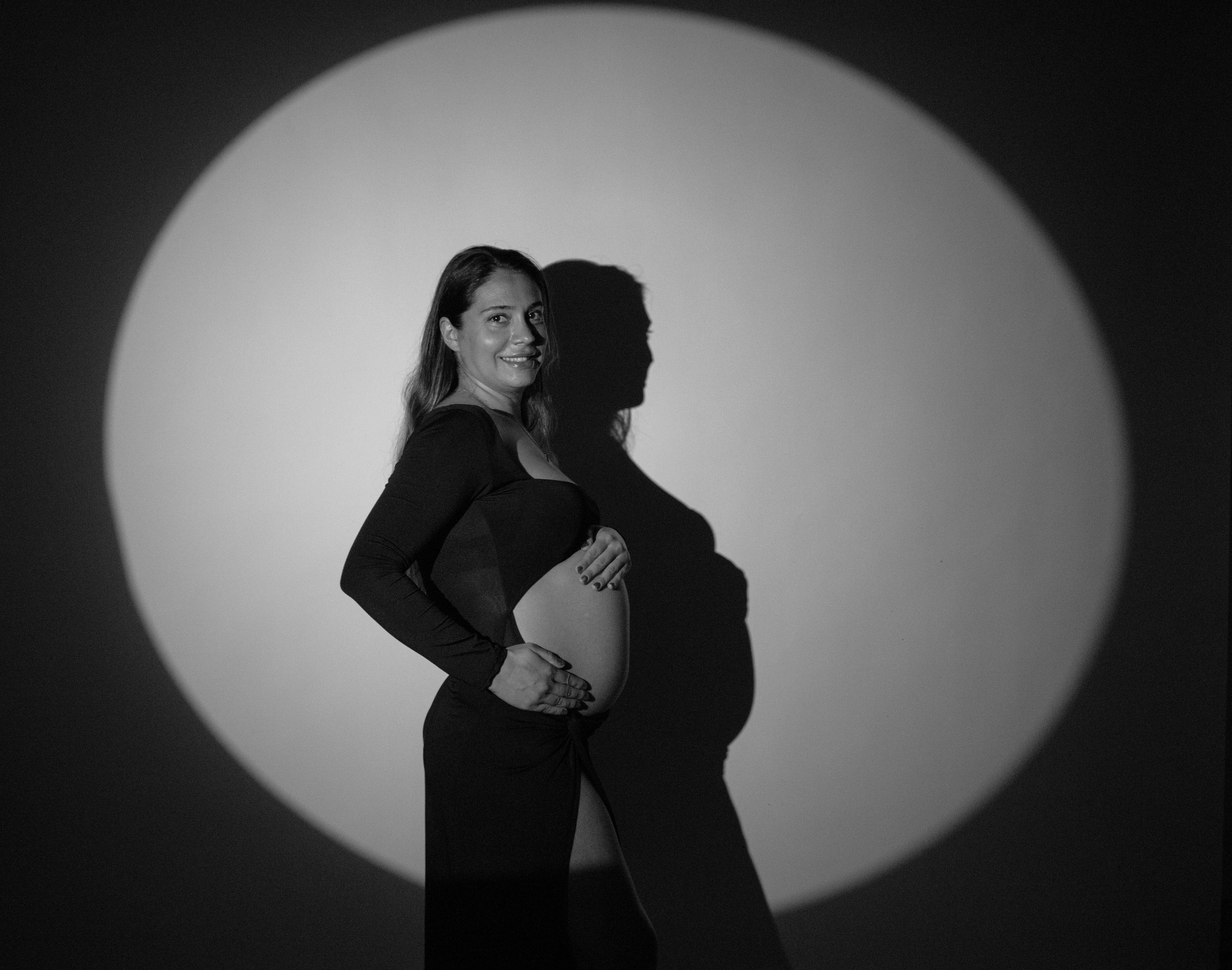
Babymoon: Meaning, Timing, and How to Plan Your Pre-Baby Retreat
What is the babymoon meaning and when should you take a babymoon? Learn the best time for pregnancy travel and discover luxury pre-baby wellness retreats.
The transition into parenthood is one of life's most profound shifts, demanding both physical resilience and emotional readiness. As the 'nesting' instinct takes hold, many expectant couples seek a final moment of stillness before their world expands. This has led to the rise of the babymoon—a dedicated period of rest and connection for parents-to-be. Far from a simple holiday, a modern babymoon is an intentional sanctuary for reflection, luxury, and health optimization. Understanding the nuances of this trend is essential for planning a trip that supports both the mother's wellbeing and the couple's bond.
Understanding the Babymoon Meaning and Modern Context
While the term has gained mainstream popularity recently, its roots are deeply psychological. A babymoon is more than a vacation; it is a ritual of transition. The babymoon meaning has evolved from a simple pre-baby holiday into a structured period of preparation—one that acknowledges the enormity of the life change ahead and intentionally creates space for the couple to connect, reflect, and prepare before the demands of newborn care consume their attention. In this sense, the babymoon meaning is closer to a honeymoon than a vacation: it marks a threshold, a deliberate pause before a permanent transformation.
The Evolution of Pre-Baby Travel
The concept of a babymoon emerged in the early 2000s as travel companies recognized that expectant parents were seeking a final trip before the baby arrived. Initially, these trips were simply standard vacations taken during pregnancy—relaxing getaways with no particular structure or health focus. Over the past two decades, however, the babymoon has evolved into something far more intentional. Today's expectant parents are highly informed about maternal health, and they seek more than a beach and a cocktail (mocktail, in this case). They want a babymoon that supports physical comfort, provides access to qualified prenatal care, and offers meaningful preparation for the transition ahead. This evolution has given rise to the luxury pre-baby retreat—a structured experience that combines the relaxation of a holiday with the clinical and psychological preparation that the final weeks of pregnancy demand.
The Psychological Benefits of a Transition Period
The psychological value of a dedicated transition period is well established across cultures. Just as traditional societies created rituals around major life transitions—marriage, birth, death—the modern babymoon serves a similar psychological function. It creates a temporal and spatial boundary between the couple's previous life and their life as parents. This boundary allows the couple to process the impending change together, to articulate their hopes and fears, and to enter parenthood as a unified team. Research in perinatal psychology has shown that couples who engage in shared preparation activities during pregnancy report stronger relationship satisfaction and lower rates of postpartum relationship distress. A babymoon, when structured intentionally, provides the ideal container for this preparation—not as a clinical intervention, but as a relational one.
Defining Your Personal Babymoon Goals
Every couple's babymoon will look different, and defining your personal goals is the first step in planning a meaningful experience. For some, the goal is pure rest—the final opportunity to sleep without interruption, to read a book uninterrupted, to enjoy slow mornings. For others, the goal is connection—rekindling the couple's intimacy before the demands of newborn care shift the relationship dynamic. For others still, the goal is preparation—using the time to attend prenatal education sessions, to discuss parenting philosophies, and to align expectations. The most fulfilling babymoons often combine elements of all three. At Amarta Nurtura, our Babymoon Retreat Program is designed to support all of these goals, offering a balance of rest, connection, and clinical preparation tailored to each couple's priorities.
When to Take a Babymoon for Optimal Comfort
Timing is everything when traveling during pregnancy. You want to balance the safety of the early stages with the physical mobility of the later months. The right timing depends on how the mother is feeling, the trajectory of the pregnancy, and any medical considerations that may affect travel. Understanding the characteristics of each trimester helps you choose the window that maximizes comfort and safety.
The Second Trimester Sweet Spot
The second trimester—roughly weeks 14 to 27—is widely considered the optimal time for a babymoon. By this point, the exhaustion and nausea of the first trimester have typically subsided, and the physical discomfort of the third trimester has not yet set in. The mother generally has her energy back, the bump is visible but not yet cumbersome, and the risk of complications is at its lowest. Airlines generally allow travel up to 36 weeks for uncomplicated pregnancies, but the second trimester offers the most comfortable window for extended travel. This is also the time when many couples feel the pregnancy has become 'real'—the anatomy scan is behind them, the bump is showing, and the anticipation of the baby's arrival begins to build. A babymoon during this window allows the couple to celebrate this milestone together.
Navigating First Trimester Fatigue and Nausea
The first trimester can be challenging for travel. Hormonal shifts are at their most dramatic, and many mothers experience fatigue, nausea, and food aversions that make it difficult to enjoy a holiday. Additionally, the first trimester carries the highest risk of pregnancy loss, which can make traveling far from medical care anxiety-inducing. However, for some mothers—particularly those who have experienced mild symptoms or who have had a previous uncomplicated pregnancy—a first-trimester babymoon can be a quiet, restful experience. If you choose to travel during this period, it is essential to stay close to quality medical care, to prioritize rest over activity, and to choose a destination where you can control your diet and environment. For most mothers, however, the first trimester is better suited to rest at home, with the babymoon planned for the second trimester.
Third Trimester Travel Restrictions and Safety
The third trimester brings increasing physical discomfort—back pain, swelling, Braxton Hicks contractions, and difficulty sleeping—which can make travel less enjoyable. More importantly, the risk of preterm labor and other late-pregnancy complications increases, and airlines begin to impose stricter travel restrictions, often requiring medical clearance after 28 weeks and prohibiting travel after 36 weeks. If you are planning a third-trimester babymoon, it should be done with the explicit approval of your obstetric provider, and you should choose a destination with access to high-quality obstetric care. For most couples, a third-trimester babymoon is best kept close to home or at a facility with on-site medical support. At Amarta Nurtura, we can accommodate mothers into their third trimester, with clinical oversight that ensures safety throughout the stay.
Physical and Mental Benefits of a Pre-Baby Retreat
Taking time for a babymoon offers measurable health benefits that go beyond simple relaxation. It provides a space for clinical preparation and physical relief that can positively influence both the pregnancy experience and the postpartum recovery that follows. When the babymoon is structured as a wellness retreat rather than a standard holiday, these benefits are amplified significantly.
Reducing Cortisol and Pregnancy Stress
Pregnancy is a period of elevated physiological stress. Hormonal changes, physical discomfort, and the psychological anticipation of birth all contribute to elevated cortisol levels, which research has linked to adverse pregnancy outcomes including preterm birth and low birth weight. A structured babymoon retreat directly addresses this stress by providing an environment that supports parasympathetic nervous system activation. The natural environment of Ubud—tropical forest, flowing water, abundant birdlife—provides the sensory input that research in environmental psychology has shown to reduce cortisol levels and lower blood pressure. Combined with guided meditation, prenatal massage, and breathwork, a babymoon retreat can produce a measurable reduction in maternal stress, creating a healthier environment for both mother and baby.
Strengthening the Partner Bond Before Birth
The transition to parenthood is one of the most significant stressors a couple's relationship will face. Research consistently shows that relationship satisfaction declines during the transition to parenthood, with the steepest drop occurring in the first year after birth. A babymoon that intentionally includes partner-focused activities—couples' meditation, shared education sessions, communication workshops—can buffer this decline by strengthening the couple's connection before the baby arrives. At Amarta Nurtura, our babymoon program includes guided partner activities designed to align expectations, build shared confidence, and deepen the relational foundation that will support the family through the challenges of the fourth trimester. This intentional focus on the couple's bond is what distinguishes a structured babymoon retreat from a standard vacation.
Somatic Preparation and Pelvic Health
A luxury babymoon can also serve as an opportunity for somatic preparation—tuning into the body's wisdom and preparing it for the physical demands of birth. Prenatal yoga, pelvic floor awareness practices, and guided breathwork help the mother connect with her changing body and build the somatic resources she will draw on during labor. At Amarta Nurtura, our Amarta Method includes prenatal pelvic floor assessment and education, helping mothers understand their pelvic health and begin preparation before birth rather than after. This proactive approach to pelvic health is a critical but often overlooked element of pregnancy wellness, and it exemplifies how a structured babymoon retreat can provide clinical value alongside relaxation.
Planning Your Babymoon: Essential Considerations
A successful babymoon requires more logistical planning than a standard getaway. Expectant mothers must prioritize medical access and comfort in ways that go beyond typical travel planning. Understanding these considerations ensures that the babymoon is both safe and genuinely restorative.
Choosing a Low-Stress Destination
The destination you choose for your babymoon sets the tone for the entire experience. A high-stress destination—one with difficult logistics, language barriers, poor sanitation, or limited medical access—will undermine the restorative purpose of the trip. The ideal babymoon destination is one that combines natural beauty with ease of access, quality infrastructure, and a culture that supports wellness and relaxation. Bali, and Ubud in particular, has emerged as a leading babymoon destination because it offers all of these elements: stunning natural beauty, a culture that deeply honors pregnancy and motherhood, world-class wellness infrastructure, and a relaxed pace of life that naturally supports rest. The key is to choose a destination where the environment itself contributes to relaxation, rather than one that requires effort to enjoy.
Ensuring Access to High-Quality Medical Care
Access to quality medical care is a non-negotiable consideration for any babymoon. Even in an uncomplicated pregnancy, the peace of mind that comes from knowing qualified obstetric care is available nearby is itself therapeutic—it lowers cortisol, improves sleep, and allows the mother to fully relax. When evaluating a babymoon destination, research the proximity and quality of the nearest hospital or clinic, the availability of English-speaking practitioners if you are traveling internationally, and the facility's ability to handle obstetric emergencies. At Amarta Nurtura, we coordinate with your obstetric provider before your arrival and maintain connections with top medical facilities in Bali, ensuring that clinical support is available should it be needed. This integration of clinical safety with sanctuary-level comfort is what distinguishes a true babymoon retreat from a luxury hotel stay.
Optimizing Nutrition and Pregnancy-Safe Spa Rituals
Nutrition and spa treatments during pregnancy require specific considerations. The mother's caloric and micronutrient needs are elevated, and certain foods should be avoided. A babymoon retreat that provides personalized, pregnancy-safe nutrition ensures that the mother is nourished optimally during her stay. Similarly, spa treatments must be adapted for pregnancy—certain essential oils are contraindicated, deep tissue massage should be avoided in certain areas, and heat treatments require modification. At Amarta Nurtura, our prenatal nutrition is designed by a clinical nutritionist, and our spa rituals are specifically adapted for pregnancy safety. Our prenatal massage, Jamu herbal preparations, and flower bath rituals are all modified to support the pregnant body safely, providing the restorative benefits of traditional Balinese wellness without any risk to mother or baby.
Why Ubud, Bali is the Ultimate Setting for a Babymoon
While many locations offer sun and sand, Ubud provides a unique spiritual and healing energy that aligns perfectly with the journey of motherhood. The combination of natural beauty, cultural depth, and wellness infrastructure makes Ubud a destination that offers something few other locations can match.
The Healing Power of Balinese Tradition
Bali's culture is steeped in traditions that honor the transition into motherhood. From the Magedong-gedong pregnancy blessing ceremony to the use of Jamu herbal tonics for maternal wellness, Balinese culture offers a rich framework of practices that support the pregnant mother on physical, emotional, and spiritual levels. These traditions are not performance pieces for tourists; they are living practices, deeply woven into the culture's understanding of the sacredness of the mother-child bond. A babymoon in Ubud provides access to these traditions in their authentic form, delivered by practitioners who have inherited them through generations. This cultural depth adds a dimension to the babymoon that no standard luxury destination can replicate—it connects the mother to a lineage of women who have been honored and supported through pregnancy for centuries.
Ubud's Serene Environment for Mindfulness
The physical environment of Ubud is uniquely suited to the restorative purpose of a babymoon. Surrounded by tropical rainforest, rice terraces, and the gentle flow of the Ayung River, Ubud provides the sensory input that environmental psychology research has shown to reduce cortisol, lower blood pressure, and improve mood. The absence of urban noise, the abundance of natural light, and the presence of flowing water and birdlife create an environment that naturally supports parasympathetic activation—the state in which the body's healing and restorative processes function optimally. For a babymoon, this environment is not merely pleasant; it is therapeutically beneficial, providing the neurological foundation for the deep rest and connection that the babymoon is meant to facilitate.
Integrating Local Rituals into Prenatal Care
At Amarta Nurtura, we integrate Balinese prenatal rituals into the babymoon experience in a way that is both authentic and clinically safe. The Jamu herbal tonics, prepared fresh daily from recipes passed down through generations, provide targeted botanical support for the pregnant body. Traditional Balinese prenatal massage, adapted for pregnancy safety, relieves the musculoskeletal tension of carrying a growing baby. Flower bath rituals provide a moment of sensory indulgence and emotional reflection. These practices are integrated within the clinical framework of the Amarta Method, evaluated for safety based on the mother's specific pregnancy stage and health status. This integration of local tradition with clinical care creates a babymoon experience that is both culturally rich and medically sound—a combination that few destinations in the world can offer.
The Amarta Method: Elevating Your Babymoon Experience
At Amarta Nurtura, we treat the babymoon as the first stage of the fourth trimester. Our approach blends clinical expertise with sanctuary-level luxury to create a babymoon that is both restorative and preparatory. Rather than treating the babymoon as an end in itself, we design it as the beginning of a continuous care journey that extends through birth and into the postpartum recovery period.
The Three Stages of Maternal Wellness
The Amarta Method structures maternal wellness into three integrated stages: the babymoon (prenatal preparation), the birth, and the postpartum recovery. The babymoon is the first stage—a time to prepare the body, calm the mind, and strengthen the partnership before the demands of birth and newborn care. By framing the babymoon as the first stage of a longer journey, we ensure that the preparation it provides is not isolated but connected to the care that follows. Our clinical team conducts a comprehensive pre-arrival assessment during the babymoon, coordinates with the mother's obstetric provider, and designs a personalized protocol that addresses her specific needs and preferences. This continuity of care is what distinguishes the Amarta Method from a standard babymoon experience.
Prenatal Pelvic Rehabilitation and Support
Pelvic floor health is a critical but often neglected element of prenatal preparation. The pelvic floor undergoes significant stress during pregnancy and birth, and many mothers experience dysfunction—incontinence, prolapse, pain—that can persist for years if not addressed. The babymoon provides an ideal opportunity to begin pelvic floor education and assessment, establishing a baseline and initiating preventive practices before birth. At Amarta Nurtura, our specialist women's health physiotherapist provides prenatal pelvic floor assessment and education during the babymoon, helping the mother understand her pelvic health and begin preparation that will pay dividends during birth and recovery. This proactive approach is far more effective than addressing dysfunction after it has developed.
A Curated Luxury Sanctuary for Expectant Parents
The physical environment of the babymoon is as important as the clinical care it provides. Our private luxury villas are designed to provide complete privacy and comfort for expectant parents, with dedicated spaces for rest, connection, and wellness activities. Every element—from the pregnancy-safe bedding to the curated nutrition to the adapted spa rituals—is designed to support the specific needs of the pregnant mother and her partner. The result is a babymoon that feels less like a hotel stay and more like a sanctuary—a space where the couple can fully immerse in the experience of preparing for parenthood, supported by clinical expertise and surrounded by the healing beauty of Ubud.
Conclusion
Investing in a babymoon is an investment in the foundation of your future family. Whether you are seeking a quiet weekend or an immersive luxury retreat, the goal remains the same: to honor the incredible journey of pregnancy and prepare the spirit for what lies ahead. By choosing a destination that offers both clinical safety and profound relaxation, such as the lush landscapes of Ubud, you ensure that your transition into parenthood begins from a place of deep restoration and strength.
Discover our curated Babymoon Retreat Program at Amarta Nurtura, book a consultation to learn how the Amarta Method supports your pregnancy journey, or explore our luxury villas in Ubud for your ultimate pre-baby escape.
Frequently Asked Questions
Is it safe to fly during my babymoon?
For an uncomplicated pregnancy, flying is generally safe through the second trimester and into the early third trimester. Most airlines allow domestic travel up to 36 weeks and international travel up to 28–35 weeks, depending on the airline. The second trimester (weeks 14–27) is the optimal window for travel, as first-trimester nausea has typically subsided and third-trimester discomfort has not yet begun. Always consult your obstetric provider before booking flights, and choose a destination with access to quality medical care. Staying hydrated, moving regularly during the flight, and wearing compression stockings can help reduce the risk of deep vein thrombosis during air travel.
What should I look for in a pregnancy-safe spa treatment?
Pregnancy-safe spa treatments should avoid certain essential oils (such as clary sage, rosemary, and juniper), deep tissue pressure on the lower back and abdomen, and heat treatments like hot tubs and saunas that can raise the mother's core temperature. Look for treatments specifically designed for pregnancy, delivered by therapists trained in prenatal massage. At Amarta Nurtura, our prenatal massage, Jamu herbal preparations, and flower bath rituals are all adapted for pregnancy safety, using pregnancy-appropriate techniques and ingredients. Always inform the therapist of your pregnancy stage and any specific health considerations before the treatment begins.
Can my partner participate in the babymoon wellness activities?
Yes, and we actively encourage it. At Amarta Nurtura, partner participation is a core element of our babymoon program. Partners can join prenatal education sessions, couples' meditation, communication workshops, and shared wellness rituals. This shared participation strengthens the couple's bond, aligns expectations for the fourth trimester, and builds the co-parenting confidence that will serve the family after the baby arrives. We view the babymoon as a couples' experience, not just a maternal one, and our program is designed to engage both partners as equal participants in the preparation for parenthood.
How does a babymoon differ from a standard vacation?
A standard vacation is primarily about relaxation and escape from daily life. A babymoon, particularly a structured retreat, is about intentional preparation for a major life transition. While relaxation is a component, a babymoon also includes clinical preparation (pelvic floor education, prenatal assessment), relational preparation (partner bonding, communication), and psychological preparation (stress reduction, mindfulness). A babymoon at a retreat like Amarta Nurtura provides access to qualified practitioners, pregnancy-safe wellness protocols, and a structured program designed to support the specific needs of expectant parents—elements that a standard vacation does not offer.
Ready to begin your restoration journey?
Experience the Amarta Method at our intimate boutique resort in Ubud, Bali.